I remember the first time my German Shepherd climbed onto my lap. She was 9 weeks old, maybe 12 pounds, and she curled up against my chest and fell asleep within seconds. I thought, "This is going to be adorable when she's older."
Fast forward 8 months: she was 65 pounds and still absolutely convinced she was a lap dog.
So, do German Shepherds like to cuddle? After raising these dogs for over 12 years, my answer is a resounding yes - but with a few important caveats that every GSD owner should understand.
German Shepherds Are Affectionate, But on Their Terms
Here's what surprised me most about GSDs compared to breeds I'd had before: they're incredibly affectionate, but they're not pushovers about it.
A Golden Retriever will cuddle with anyone. A stranger walks in the door? Belly rubs for everyone. A German Shepherd is different. The AKC describes them as loyal, confident, and courageous, and that loyalty extends to their cuddling habits too. They choose who they cuddle with, and they're particular about when and how.
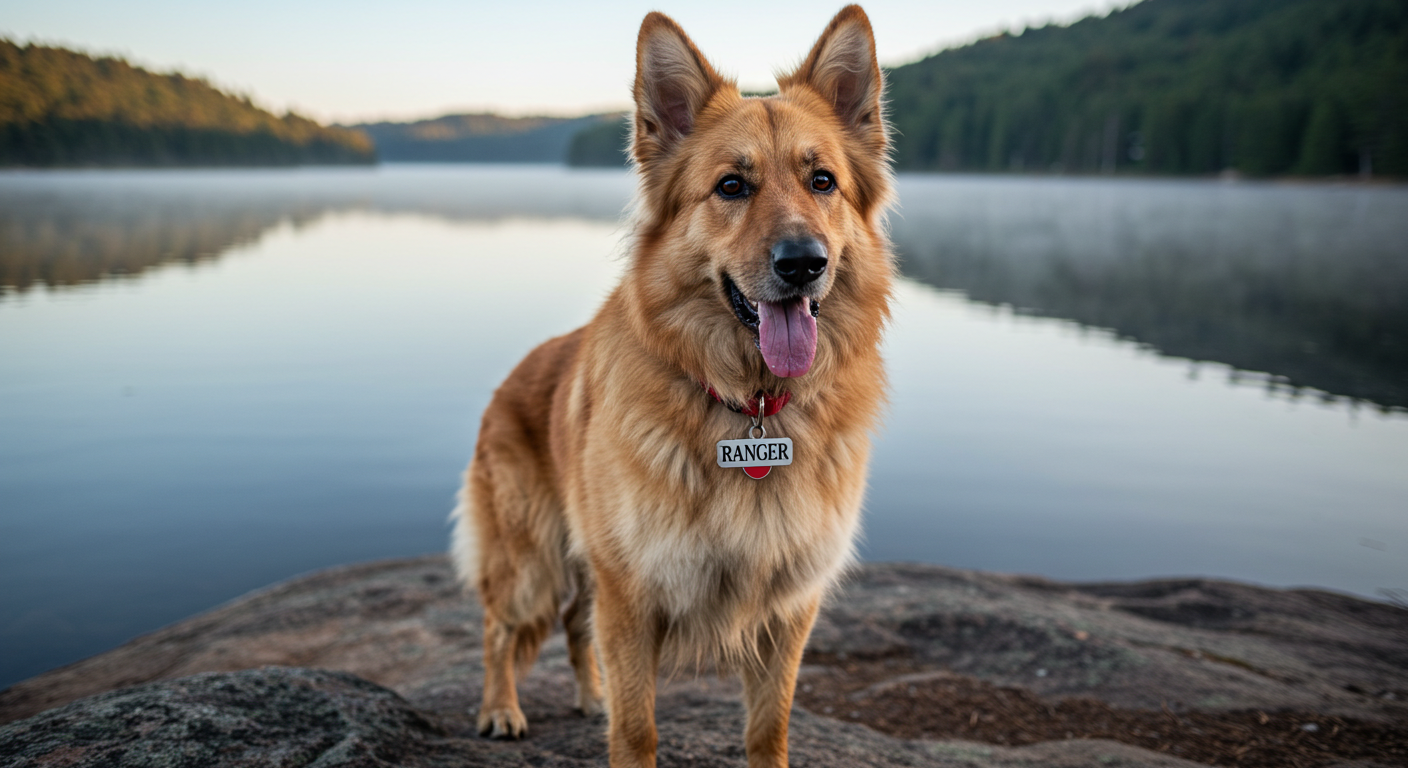
My oldest GSD, for example, won't cuddle when she's hot. She won't cuddle if there are strangers in the house. She won't cuddle if she hasn't had her evening walk yet. But once conditions are right - quiet house, cool evening, just the two of us - she'll press her entire 80-pound body against mine and groan with contentment.
That selectiveness is part of what makes GSD cuddles so special. When a German Shepherd chooses to cuddle with you, it actually means something. They're not doing it because they cuddle with everyone - they're doing it because you're their person.
How German Shepherds Show Affection
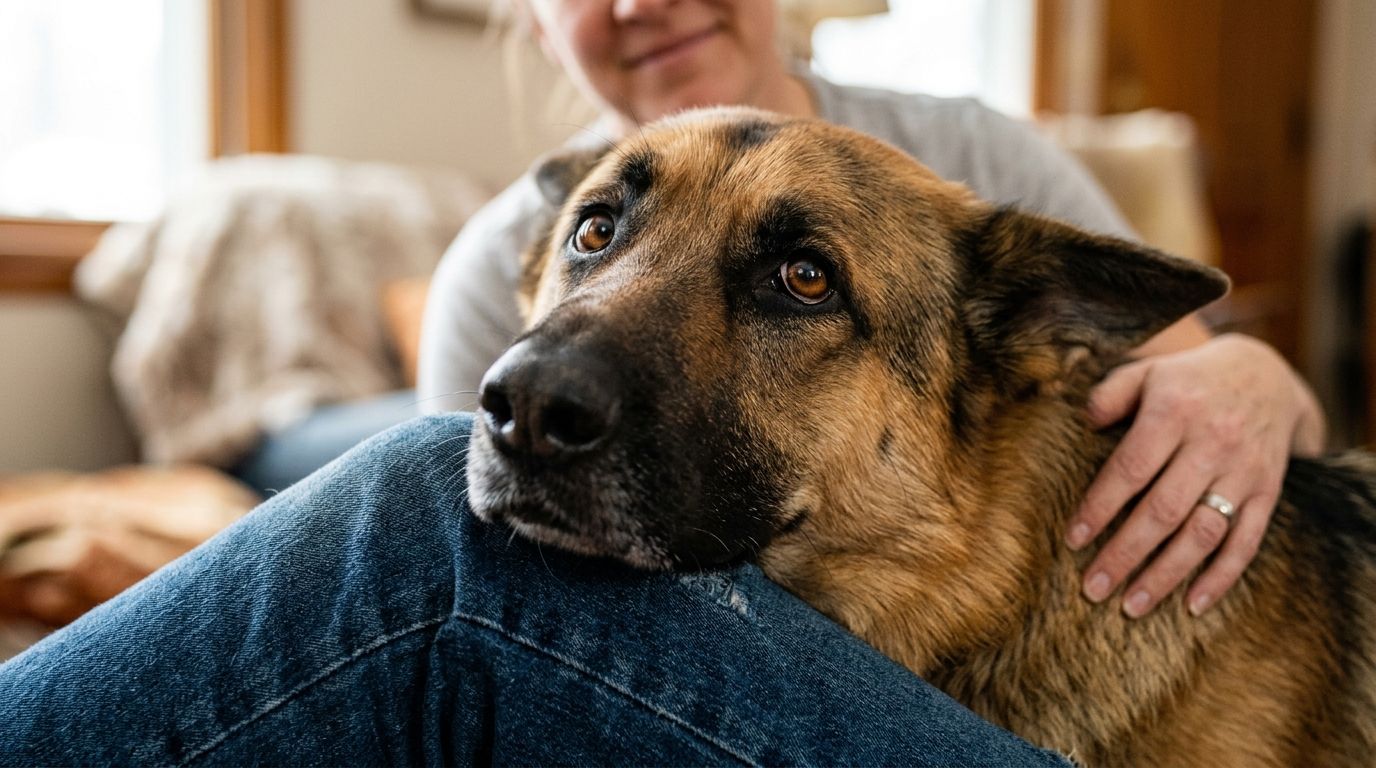
Not every German Shepherd cuddles the same way. Over the years, I've noticed GSDs express their affection in ways that don't always look like traditional "cuddling" but absolutely are.
The Lean - This is the classic GSD move. They walk up to you and just... lean their entire body weight against your legs. No eye contact, no fanfare. Just 80+ pounds of dog pressing against you. This is their way of saying "I trust you completely."
The Paw - Your German Shepherd places a paw on your arm, your leg, or your foot. Sometimes it escalates to full-on pawing at your arm until you pet them. It looks demanding. It's actually vulnerability.
The Follow - German Shepherds are famously called "velcro dogs" because they follow their owners everywhere. Bathroom, kitchen, garage - doesn't matter. If you're there, they need to be there too. This constant proximity is a form of cuddling that just happens to involve standing up.
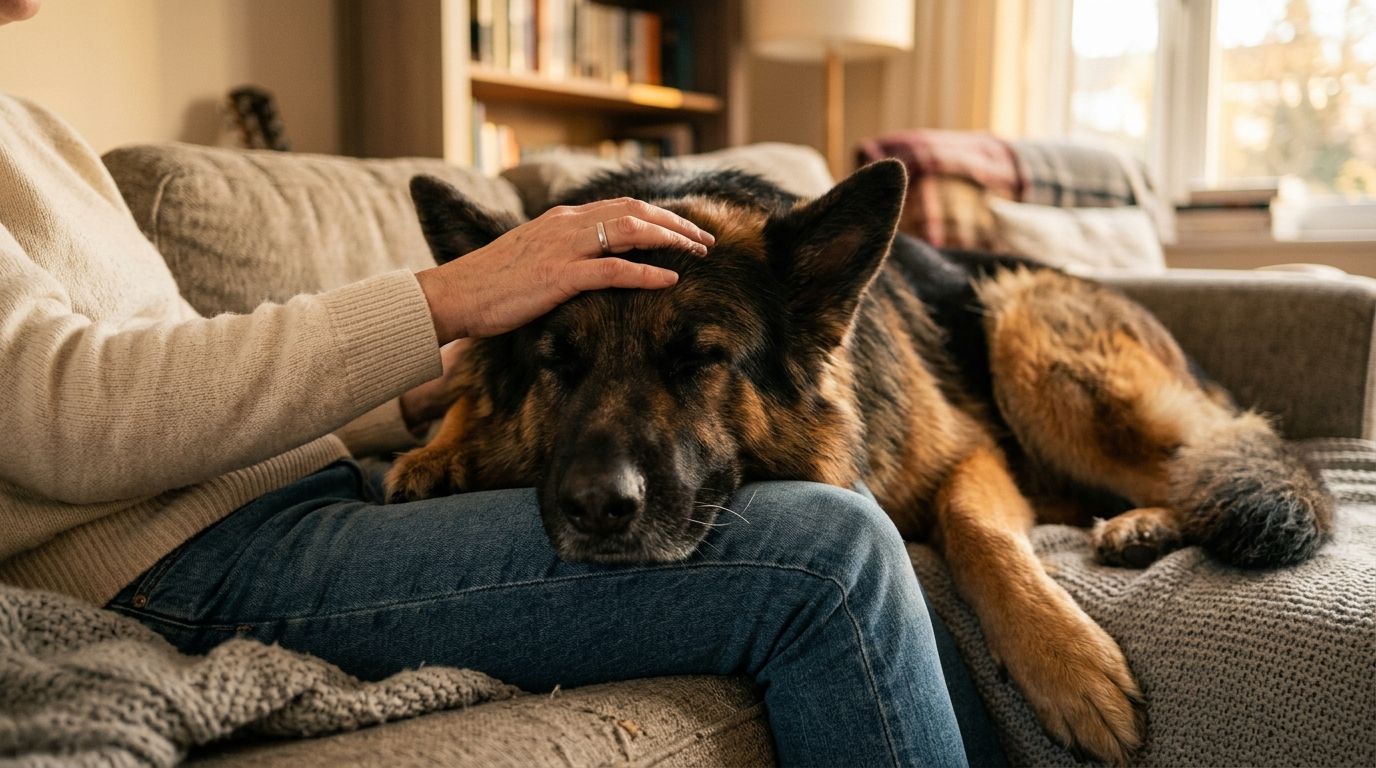
The Head Rest - My personal favorite. Your GSD walks up to you while you're sitting down and rests their chin on your knee or your thigh. They look up at you with those brown eyes. It's impossible not to melt.
The Full Body Contact - This is what most people think of as cuddling. Your German Shepherd lies down next to you (or on you) and presses their body against yours. Back-to-back, side-to-side, or sprawled across your lap. Some GSDs do this daily; others save it for special moments.
| Cuddle Style | What It Looks Like | What It Means |
|---|---|---|
| The Lean | Presses full weight against your legs | "I trust you completely" |
| The Paw | Places paw on your arm or leg | "Pay attention to me" |
| The Follow | Shadows you room to room | "You're my whole world" |
| The Head Rest | Chin on your knee or thigh | "I feel safe with you" |
| The Full Body | Lies against or on top of you | "You're my person" |
Why Some German Shepherds Don't Cuddle (And That's OK)
Not every GSD is a cuddler, and I've owned the full spectrum. My first German Shepherd was practically a shadow - always touching, always leaning, always underfoot. My second was more independent; she'd sit near me but rarely initiated physical contact.
Factors that influence cuddliness in GSDs:
Temperament. Just like people, dogs have unique personalities. Some GSDs are naturally more tactile. Others prefer parallel companionship - being near you without being on you. Neither is wrong.
Socialization history. German Shepherds who were well-socialized as puppies - handled frequently between 3 and 16 weeks - tend to be more comfortable with physical contact as adults. Rescue GSDs or those with unknown backgrounds may need months to become comfortable with cuddling.
Past experiences. A German Shepherd who associates physical contact with negative experiences (rough handling, punishment, restraint at the vet) may avoid cuddling. Patience and positive associations can rebuild trust, but it takes time.
Breeding line. Working-line German Shepherds are sometimes (not always) less cuddly than show-line dogs. If you're curious about the specifics, read are German Shepherds hypoallergenic - the coat differences between lines also affect how they like to be touched. Working lines were bred for drive and focus, not necessarily for household companionship. That doesn't mean they can't be affectionate - they just express it differently.
Heat and weather. GSDs have thick double coats. On hot days, the last thing they want is 98.6°F of human body heat pressed against them. If your German Shepherd avoids cuddling in summer but becomes a snuggle monster in winter, temperature is your answer.
How to Bond With a German Shepherd Who Doesn't Cuddle
Some of the best advice I can give new GSD owners: don't force it. If your German Shepherd isn't a natural cuddler, you can't make them one by picking them up and holding them. That actually damages trust.
Important: Forcing physical contact on a German Shepherd who isn't ready will set your bonding back by weeks, not move it forward. These dogs need to feel in control of when affection happens.
Instead, try this:
Sit on the floor. Getting down to their level feels less threatening than towering over them. Many non-cuddly GSDs will approach you voluntarily when you're seated on the floor.
Let them come to you. Don't reach for your dog. Sit quietly, maybe with a treat nearby. When they approach, reward the approach without grabbing them. Over weeks, they'll associate proximity with positive outcomes.
Respect their "no." If your GSD turns away, moves, or stiffens when you pet them - stop. They're communicating a boundary. Respecting that boundary actually makes them more likely to seek you out later.
Find their preferred affection style. Maybe your GSD doesn't want lap time, but they love having their ears rubbed. Maybe they hate being hugged but will rest their head on your foot for hours. Pay attention to what they enjoy and give them more of that.
The Velcro Dog Phenomenon
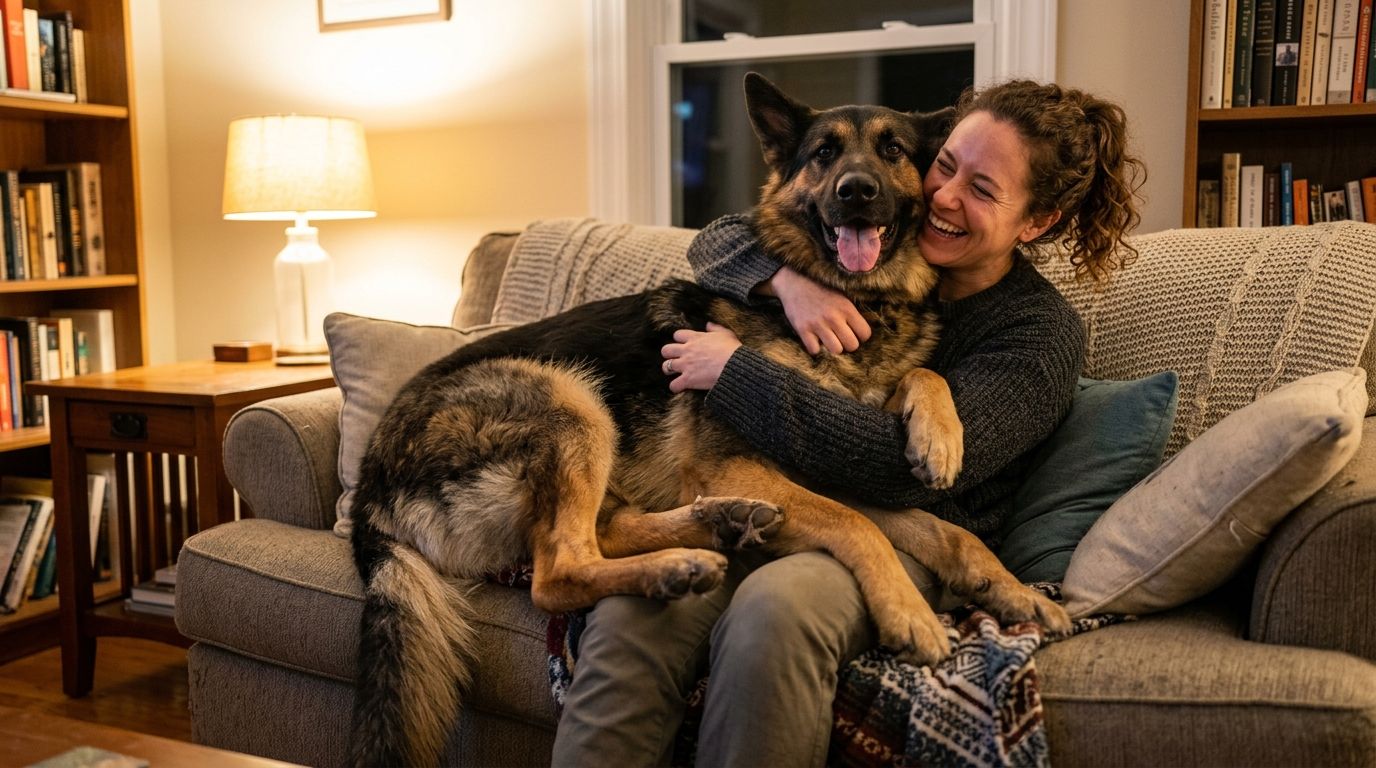
There's a reason German Shepherds are called "velcro dogs" - they attach themselves to one person and become nearly inseparable from them.
It goes beyond cuddling. It's a deep, breed-level drive toward partnership. German Shepherds were never meant to be independent dogs. They were bred to work alongside a handler, and that hardwiring translates directly into domestic life.
Signs your German Shepherd has "velcroed" to you:
- They follow you from room to room
- They position themselves where they can always see you
- They become anxious or restless when you leave
- They greet you with more enthusiasm than anyone else (and they're great with kids too)
- They lean against you, rest on you, or maintain physical contact whenever possible
If your German Shepherd does these things, congratulations - you've been chosen. That's their version of saying they love you, whether or not it involves traditional cuddling.
Real talk from a GSD owner: The moment you stop trying to make your German Shepherd cuddle your way and start appreciating how they show love, everything changes. Some of the most bonded GSDs I've known never sat on a lap once.
Do Male or Female German Shepherds Cuddle More?
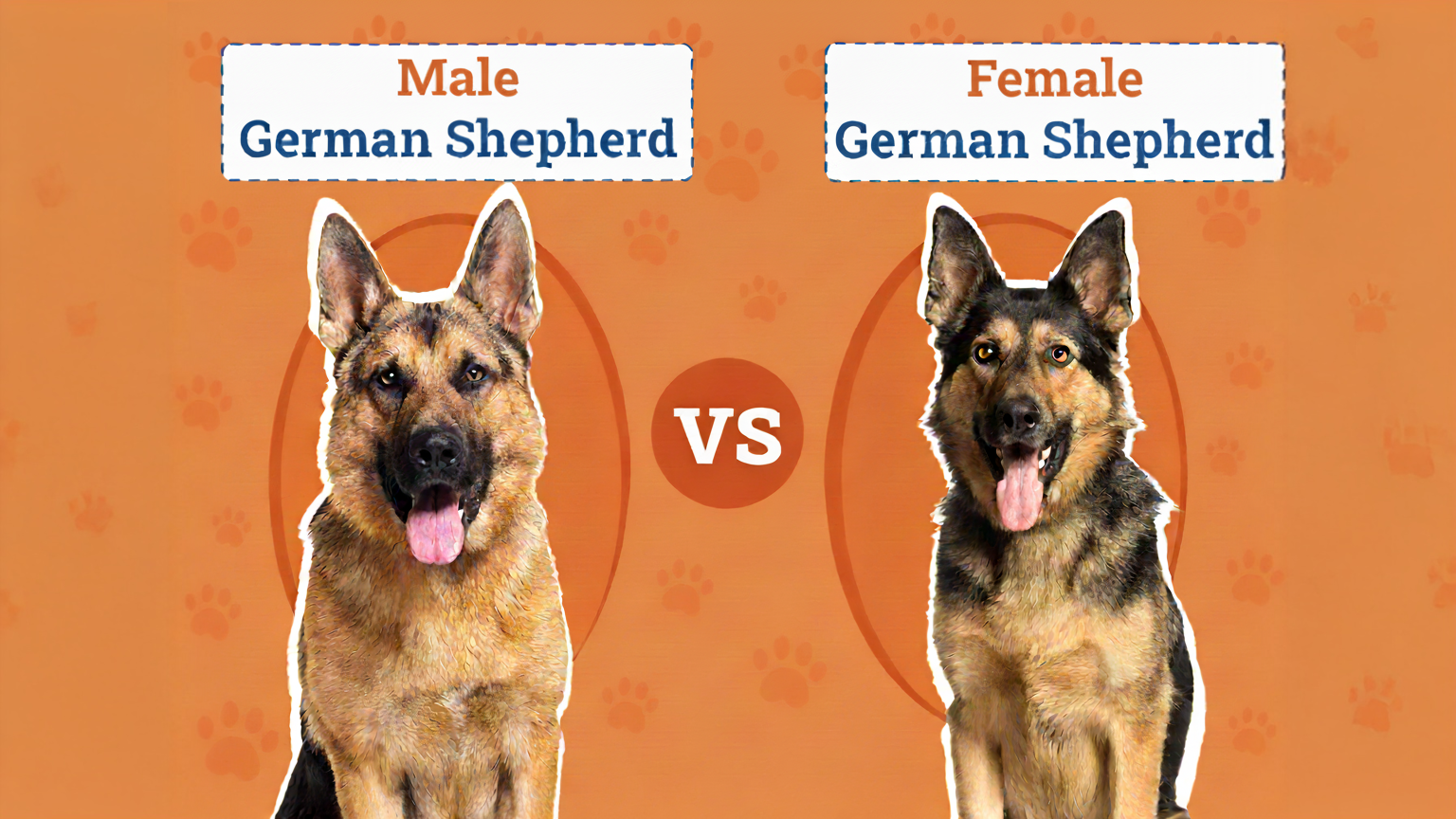
I've owned both, and here's my honest observation: there's no reliable rule. Our full breakdown of male vs female German Shepherd differences covers temperament, size, and trainability - but on cuddliness specifically, it's a coin flip. I've had ultra-cuddly males and independent females, and the reverse.
That said, some GSD owners report anecdotal patterns:
- Males can be more overtly affectionate and physically demonstrative - the classic "lap dog in a big body"
- Females sometimes show affection in more subtle ways - following, guarding, lying next to rather than on top of you
But individual personality trumps sex every single time. Don't choose a male GSD expecting guaranteed cuddles or a female expecting independence.