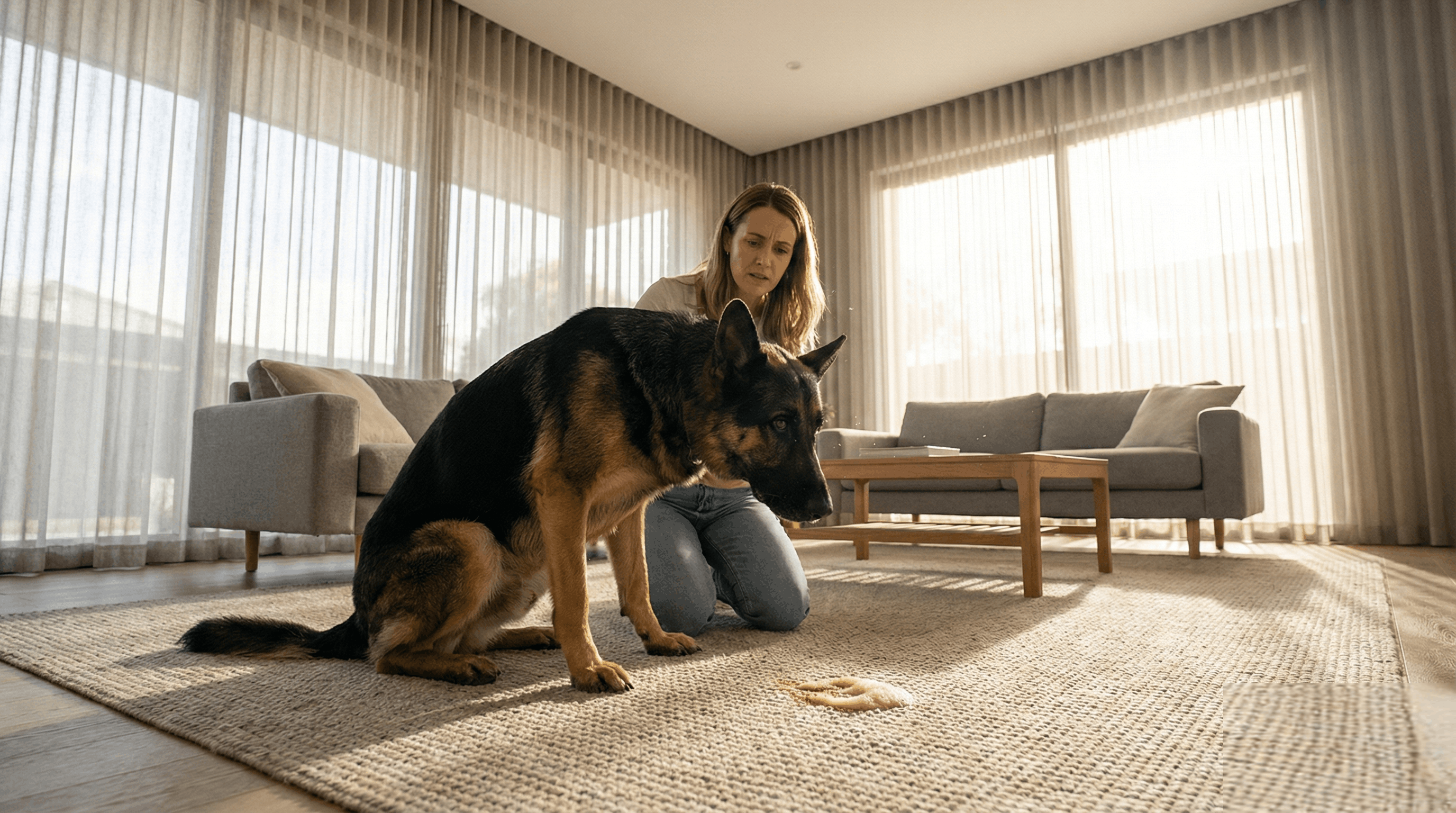
There is nothing quite as alarming as waking up to the sound of your dog retching. You rush over only to find a pile of bright yellow foam or liquid on the rug. If you see your dog throwing up yellow, it can look scary, but it does not always signal a disaster. That hue is typically bile fluid. You might even hear loud tummy noises before the sickness starts, telling you their digestive system is in distress.
This guide cuts through the panic. We will break down the most common reasons for yellow vomit, help you assess the urgency of the situation with a clear triage system, and provide actionable steps to help your pup feel better.
1. Bilious Vomiting Syndrome (BVS)
This is one of the most common reasons a dog throws up yellow, especially early in the morning or late at night. Bilious Vomiting Syndrome (BVS) occurs when bile leaks into the stomach from the small intestine. If the stomach is empty for too long, that bile irritates the stomach lining and triggers a vomit reflex. It is essentially "acid reflux" on an empty tank.
Symptom Triage Box:
- Urgency Level: Low (Monitor at Home)
- Vomit Appearance: Yellow foam or slimy yellow liquid.
- Key Accompaniers: Dog acts normal immediately after; appetite usually remains good.
- Common Trigger: Long gap between dinner and breakfast (8+ hours).
If your dog is energetic and hungry right after getting sick, BVS is the likely culprit. The fix is often simple: shorten the time between meals. Transitioning to the best dog food for sensitive stomachs or offering a small snack right before bed can work wonders to absorb that excess bile overnight.
2. Gastrointestinal Blockage (Foreign Objects)
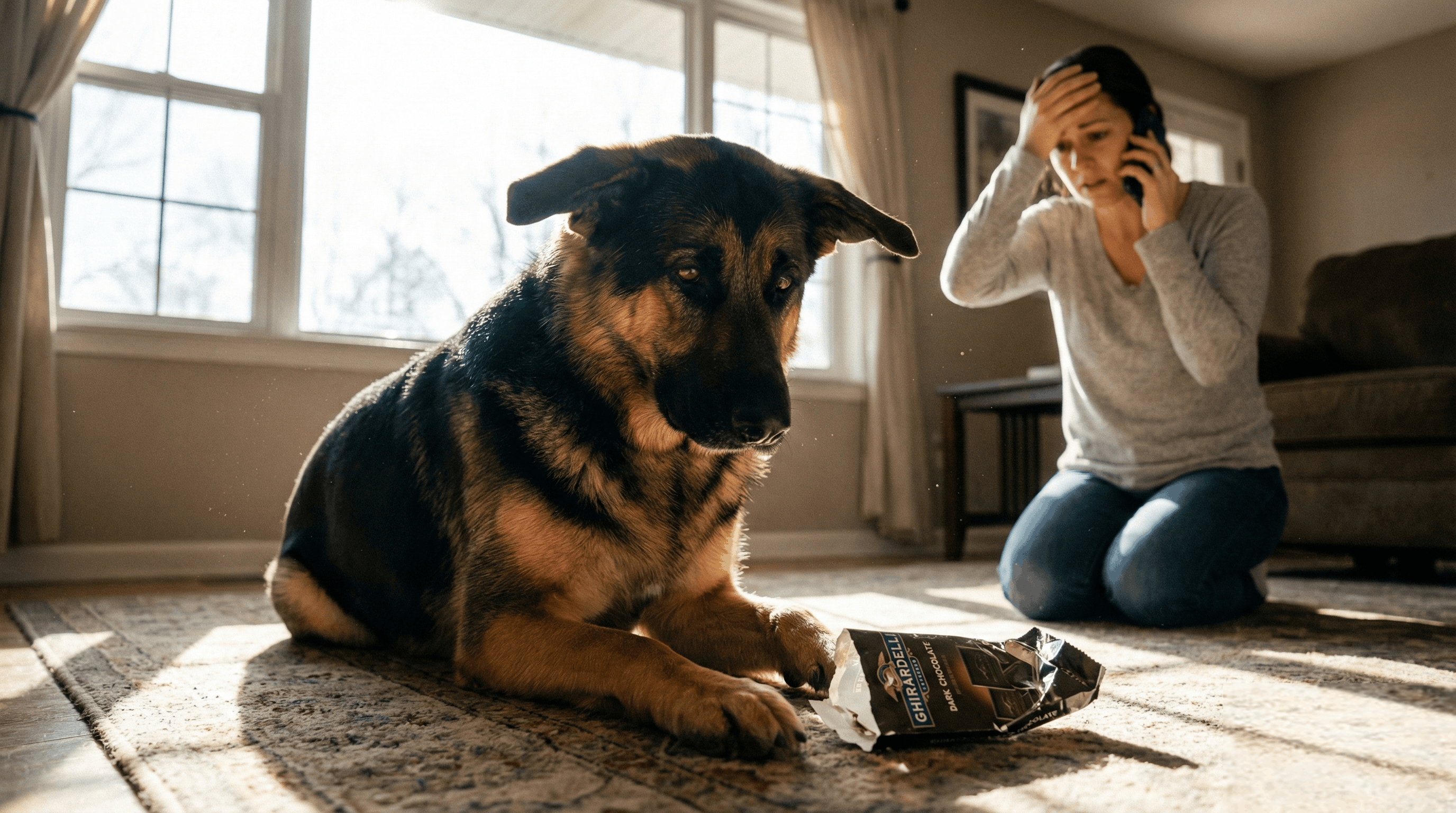
Dogs are notorious scavengers. If your pup swallowed a sock, a rock, or a piece of a toy, it can block the transition from the stomach to the intestines. When food or fluid cannot pass through, it comes back up. Yellow vomit here indicates that bile is being produced, but nothing is moving forward.
Symptom Triage Box:
- Urgency Level: High (Immediate Vet Visit)
- Vomit Appearance: Projectile yellow liquid; may transition to brown or smell fecal.
- Key Accompaniers: Straining to poop (but nothing comes out), tender abdomen, lethargy, refusal to eat/drink.
- Common Trigger: Missing household items, torn up toys, or unsupervised time in the yard.
This is a medical emergency. While you might know how to induce vomiting in dogs for toxins, never attempt it for a suspected blockage as it can cause internal damage. Gastrointestinal obstructions can cut off blood flow to the intestines and become life-threatening within hours.
3. Pancreatitis (Inflammation)
The pancreas produces enzymes to help digest food. When it becomes inflamed, often due to a high-fat diet or a specific fatty meal, those enzymes start attacking the pancreas itself. According to the American Kennel Club (AKC), this is incredibly painful and causes severe nausea.
Symptom Triage Box:
- Urgency Level: High (Veterinary Attention Required)
- Vomit Appearance: Thick yellow or greenish bile; often frequent/repetitive.
- Key Accompaniers: "Prayer position" (stretching front legs out while rear is up), severe abdominal pain, dehydration, fever.
- Common Trigger: Eating table scraps like bacon grease, turkey skin, or garbage raiding.
Pancreatitis can range from mild to severe. Acute cases require hospitalization for fluids and pain management. If your dog adopts the "prayer position" and keeps vomiting, head to the vet.
4. Intestinal Parasites (Worms & Giardia)
Parasites like roundworms, tapeworms, or Giardia disrupt normal digestion. They can irritate the intestinal lining significantly enough to cause vomiting. In puppies especially, a heavy gastrointestinal parasite burden can physically block the intestine. This leads to bile vomit similar to a foreign object blockage.
Symptom Triage Box:
- Urgency Level: Medium (Schedule Vet Appointment)
- Vomit Appearance: Yellow fluid; may occasionally contain visible worms (spaghetti-like).
- Key Accompaniers: Dog diarrhea (often with mucus or blood), weight loss despite a pot-bellied appearance, scooting.
- Common Trigger: Drinking from puddles, eating soil/feces, or missed deworming doses.
While usually not an overnight emergency (unless the puppy is very young and dehydrated), you will need a fecal test from your vet to identify the specific parasite and get the correct medication.
5. Food Allergies & Intolerances
Just like humans, dogs can develop intolerances to common ingredients like chicken, beef, dairy, or wheat. Chronic inflammation in the gut caused by these allergens can lead to intermittent vomiting of bile. This happens because the stomach is trying to expel the irritant or because digestion has slowed down.
Symptom Triage Box:
- Urgency Level: Low to Medium (Consult Vet for Diet Plan)
- Vomit Appearance: Yellow bile or undigested food hours after eating.
- Key Accompaniers: Chronic ear infections, itchy paws (licking feet), poor coat quality, soft stools.
- Common Trigger: Introduction of a new food or long-term exposure to a specific protein.
Diagnosing this usually requires an elimination diet. Veterinary nutritionists at Tufts University often recommend switching to good dog food for dogs with itchy skin or a novel protein source (like duck or salmon) for 8-12 weeks to see if symptoms resolve.
6. Bland Diet Remedies
When the vomiting is mild, like BVS, or your vet has cleared your dog of serious conditions, a bland diet is the gold standard for recovery. This gives the digestive system a rest while providing essential nutrients. For dogs that refuse solid food, learning how to make nutritious soup for dogs can be a great way to maintain hydration without stressing the stomach.
Symptom Triage Box:
- Best Used For: Settling a mild upset stomach or recovering after a vet visit.
- Dosage/Application: Small, frequent meals. Mix 2 parts boiled white rice with 1 part boiled, skinless, boneless chicken breast.
- Key Benefit: Highly digestible; low fat prevents pancreatic stimulation.
- Pro Tip: Add a tablespoon of plain canned pumpkin (not pie filling), which is recommended by the AKC, or check if dogs can eat sweet potatoes as a fiber alternative to help firm up loose stools.
Start with a tiny amount. Just a tablespoon will ensure they can keep it down. If they vomit the bland diet, stop feeding and call the vet.
7. Digestive Supplements (Probiotics & Enzymes)
Once the acute vomiting has stopped, your goal is to restore the gut microbiome. Vomiting strips the stomach of healthy bacteria and leaves it vulnerable. Dog probiotics and digestive enzymes help re-balance the gut environment and improve digestion efficiency.
Symptom Triage Box:
- Best Used For: Long-term prevention of sensitive stomach issues and BVS.
- Dosage/Application: Powder or chewables added to meals daily (follow package weight guidelines).
- Key Benefit: Fortifies the gut lining and aids in breaking down fats and proteins.
- Selection Tip: Look for multi-strain probiotics (like Enterococcus faecium or Lactobacillus acidophilus) specifically formulated for dogs.
Some owners ask, "Can dogs have plain yogurt?" as a probiotic source? Yes, but a dedicated supplement is often more effective. Regular use can reduce the frequency of "morning sickness" vomiting by ensuring food is digested more thoroughly before the stomach empties.
Vomiting yellow bile is your dog's way of telling you something is off with their digestion. Often, it is a simple fix like adjusting meal times or switching to a bland diet for a few days. However, you must trust your instincts. If the vomit is accompanied by lethargy, pain, or refusal to eat, that yellow color is a warning sign. It requires professional veterinary help. When in doubt, it is always safer to let a vet perform an exam than to wait it out at home.