It is a sickening sight (and sound). Your German Shepherd comes limping back from a game of fetch, leaving small bloody paw prints on the floor. A broken nail is one of the most common injuries for active dogs, but it is also one of the most painful.
While GSDs are known for being stoic and tough, a raw, exposed nerve in a toenail can bring even the strongest working dog to their knees.
First aid for broken nails in dogs isn't complicated, but it does require a steady hand and the right tools. Whether the nail is cracked, split, or hanging by a thread, this guide will walk you through exactly how to fix it at home and when you need to rush to the vet.
Key Takeaway: A broken nail is painful but rarely life-threatening. The goal is to remove the loose piece, stop the bleeding, and keep it clean to prevent infection (osteomyelitis).
Assessing the Damage: 3 Common Types
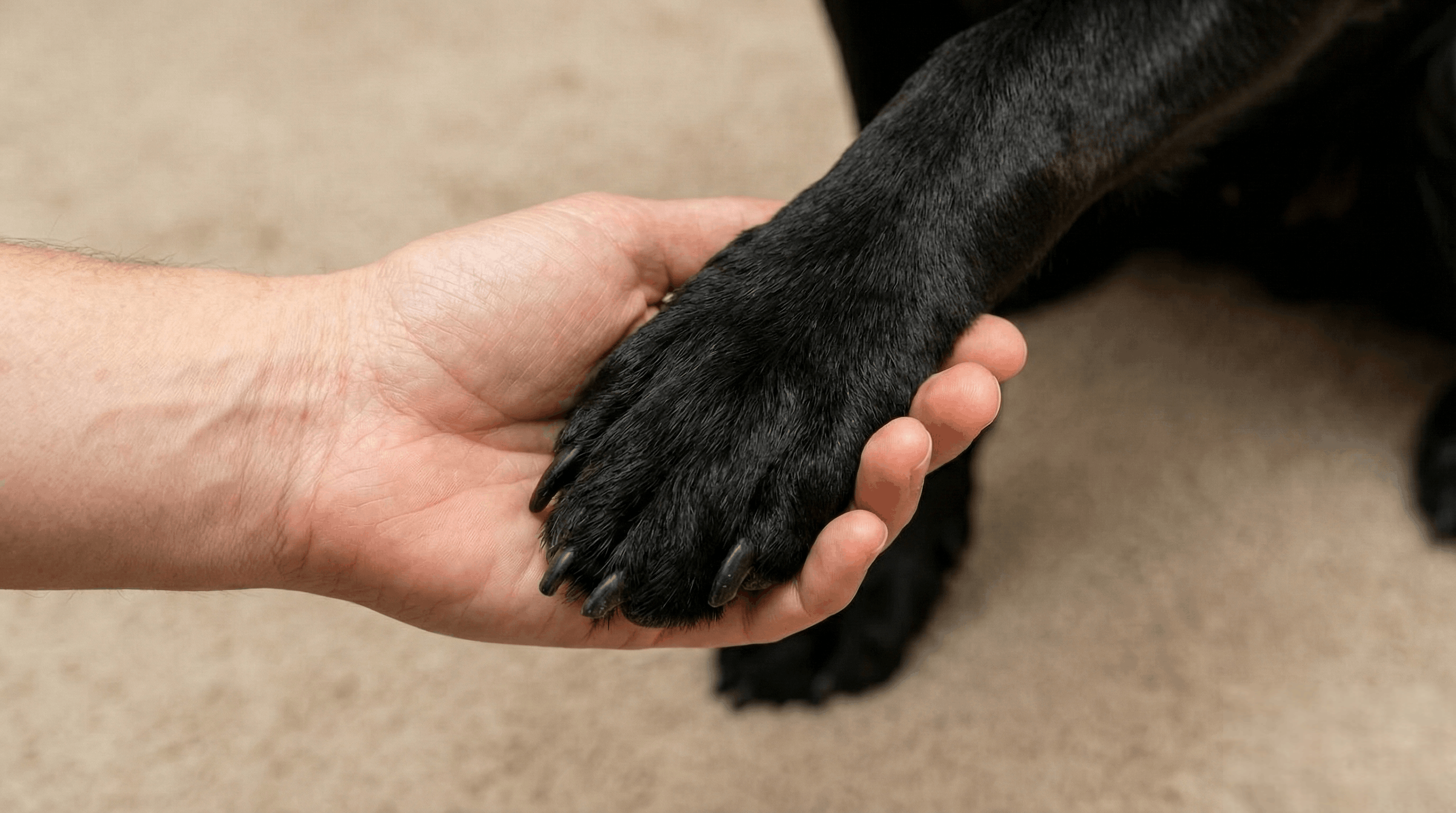
Before you grab the clippers, look closely at the paw (carefully!). German Shepherds often have black nails, making the damage hard to see.
- The Cracked Nail: The hard shell is split, but the nail is still intact.
- The Dangling Nail: The hard shell has snapped and is hanging loosely, often exposing the quick (the bloody center). This is the most painful type.
- The Avulsion (Ripped Off): The entire hard shell has been ripped off, leaving just the raw, red quick exposed.
Pro Tip: If your dog is limping on a front leg but you can't see the break, check the dew claw. This "thumb" claw often gets snagged on brush or carpet.
Step-by-Step First Aid Guide
1. Restrain and Calm
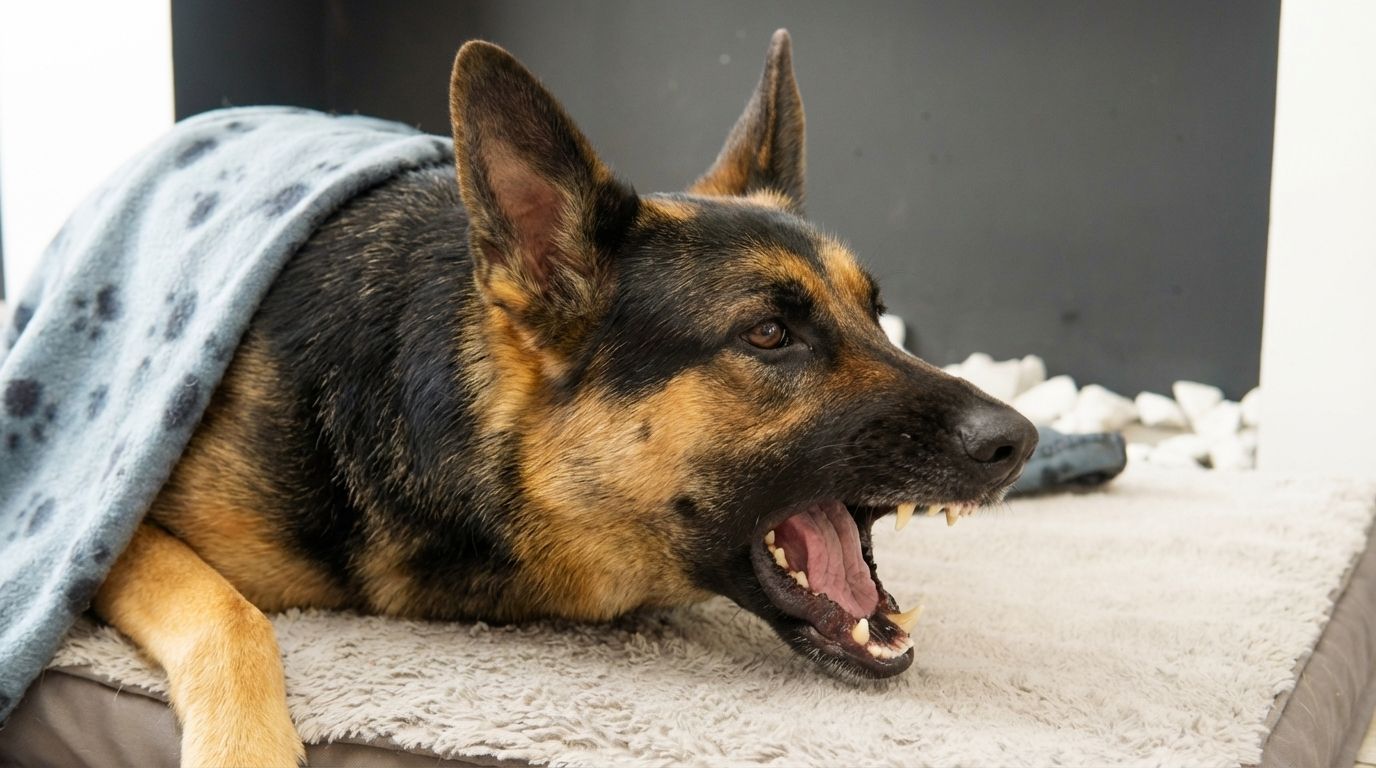
Even the most loyal German Shepherd may bite out of pain reflex when you touch a broken nail.
- Have a partner hold the dog.
- Use a muzzle if necessary.
- Speak calmly to lower their anxiety.
2. Remove the Hanging Piece (The Hard Part)
If there is a piece of nail dangling loosely, it must come off. Every time it wiggles, it causes shooting pain.
- Take your dog nail clippers.
- Position them at the base of the break (not the base of the toe!).
- Make one quick, decisive cut to remove the hanging shell.
- Warning: Your dog will likely yelp. This is normal. Once the piece is gone, the pain usually drops instantly.
3. Stop the Bleeding
The "quick" is a blood vessel, and it bleeds a lot.
- Best Option: Apply Styptic Powder (like Kwik-Stop) directly to the glistening raw tip. Press for 10-15 seconds. Styptic powder helps blood clot quickly and seals the vessel.
- Home Remedy: If you don't have powder, use Cornstarch or Flour. Pack it onto the nail tip and hold pressure.
- Bar of Soap: In a pinch, gently push the nail into a softened bar of plain soap to plug the vessel.
4. Clean and Disinfect
Once the bleeding stops (wait 10-20 minutes), gently clean the area.
- Soak the paw in a Betadine (Povidone-Iodine) solution. Dilute it with warm water until it looks like weak iced tea (roughly 1:10 ratio). This is preferred over peroxide as it doesn't damage tissue.
- You can also use a simple saline solution.
5. Bandage (Optional)
You don't always need to bandage, but if your dog won't leave it alone:
- Apply a non-stick gauze pad over the nail.
- Wrap loosely with self-adhesive vet wrap (Coban).
- Crucial: Do not wrap too tight! You should be able to fit two fingers under the bandage.
- Use a cone (Elizabethan collar) if they are obsessed with licking.
When to See a Vet
Most broken nails heal fine at home. However, you should see a vet if:
- The bleeding does not stop after 20 minutes of pressure.
- The nail is cracked all the way into the nail bed (the skin of the toe).
- There is a foul smell or yellow discharge (signs of infection).
- Your dog is in severe distress and you cannot safely trim the nail yourself.
- You suspect the infection has spread deeper, which can lead to osteomyelitis (bone infection).
Preventing Future Breaks
Active dogs break nails; it happens. But you can reduce the risk:
- Keep them short: Long nails snag easily. Trim them every 2-3 weeks.
- Diet: Ensure they are on a high-quality diet. Weak, brittle nails can be a sign of nutritional deficiency. Check out our guide on best dog food for German Shepherds.
- Supplements: Omega-3 fatty acids and Biotin can strengthen the nail shell.
A broken nail looks scary, but with a cool head and a bit of home remedy know-how, your Shepherd will be back on patrol in no time.