Introduction
At the dog park near our house, there's a German Shepherd Husky mix named Ghost who looks like a wolf, acts like a Labrador, and has more energy than any purebred I've met. His owner told me he goes through three tennis balls a week because he destroys them within hours.
That's the thing about German Shepherd mixes. You never quite know what you're going to get. Sometimes you get the best of both breeds. Sometimes you get the most challenging traits of both. And sometimes you get a dog that looks like someone hit shuffle on the breed selector.
I've been around GSDs for 12 years, and through dog parks, rescue events, and our local GSD meetup group, I've interacted with most of the popular crosses. Some are outstanding family dogs. Some are for experienced owners only. A few are more marketing hype than practical pet.
Here's my honest take on 15 German Shepherd mixes, what they're actually like to live with, not just what they look like on Instagram.
Why People Choose GSD Mixes
Two real reasons:
Hybrid vigor. Mixed breed dogs often (not always) inherit a wider gene pool, which can reduce the risk of breed-specific issues. GSDs are prone to hip dysplasia, degenerative myelopathy, and bloat. Crossing with another breed can lower those odds. That doesn't mean mixes are automatically healthier, but the probability shifts in your favor.
Temperament blending. Purebred GSDs are intense. High drive, strong guarding instinct, needs a job. Mixing with a calmer or more social breed can soften those edges while keeping the intelligence and loyalty that makes GSDs special.
That said, mixes are less predictable than purebreds. A GSD Lab mix might lean more Lab (goofy, friendly) or more GSD (serious, protective). You're rolling dice, especially with puppies.
Popular GSD Crosses
German Shepherd Lab Mix (Sheprador)
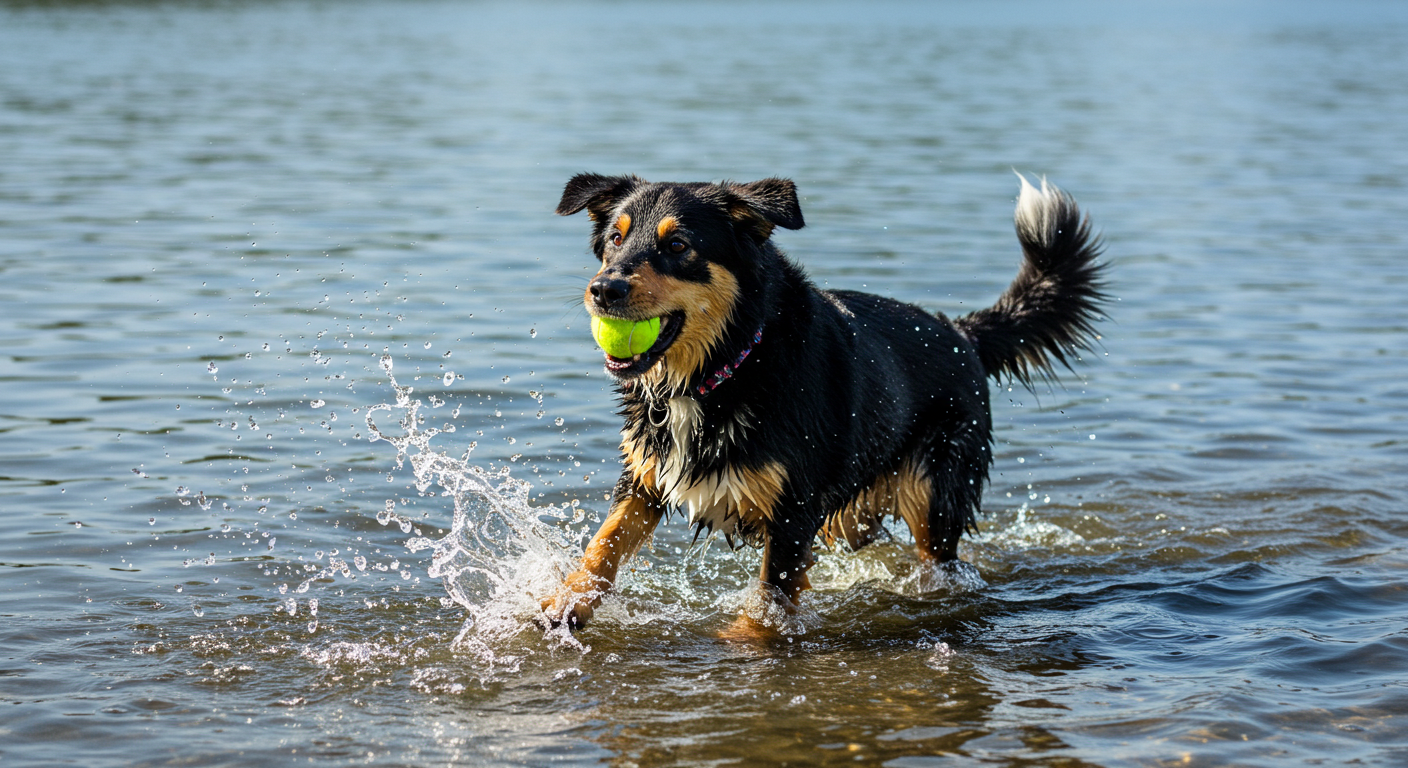
This is the most common GSD mix and probably the safest choice for families.
| Trait | Details |
|---|---|
| Size | 50 to 80 lbs |
| Energy | High. Needs 60+ minutes of daily exercise |
| Temperament | Friendly, eager to please, less guarded than purebred GSD |
| Shedding | Heavy. You'll need a good vacuum and a deshedding brush |
| Best for | Active families with a yard |
A friend of mine has a Sheprador named Bear. He greets every person and dog at the park like he's running for class president. Zero guarding instinct. Retrieves everything, including things you didn't throw.
German Shepherd Husky Mix (Shepsky)
Gorgeous dogs. Challenging dogs. Sometimes both in the same hour.
| Trait | Details |
|---|---|
| Size | 45 to 80 lbs |
| Energy | Very high. Needs running, hiking, or a job |
| Temperament | Independent, vocal, can be stubborn |
| Coat | Thick double coat, sheds year round, blows coat twice a year |
| Best for | Experienced owners in cold climates. Not great for apartments |
Ghost (the one from the park) is typical. Beautiful blue eyes, howls instead of barks, and cannot be left alone for more than 4 hours without redecorating the living room. His owner is a trail runner, which is basically the only reason it works.
German Shepherd Pitbull Mix (German Pit)
Gets a bad reputation that it mostly doesn't deserve.
| Trait | Details |
|---|---|
| Size | 60 to 90 lbs |
| Energy | High. Muscular and athletic |
| Temperament | Loyal, affectionate, can be protective |
| Training | Early socialization is critical. Not optional. |
| Best for | Experienced owners who can commit to training |
These dogs are "velcro dogs." They want to be touching you at all times. The ones I've met at rescue events are usually sweet with their people but can be dog-selective. If you're considering one, make sure you have experience with strong breeds.
German Shepherd Rottweiler Mix (Shepweiler)
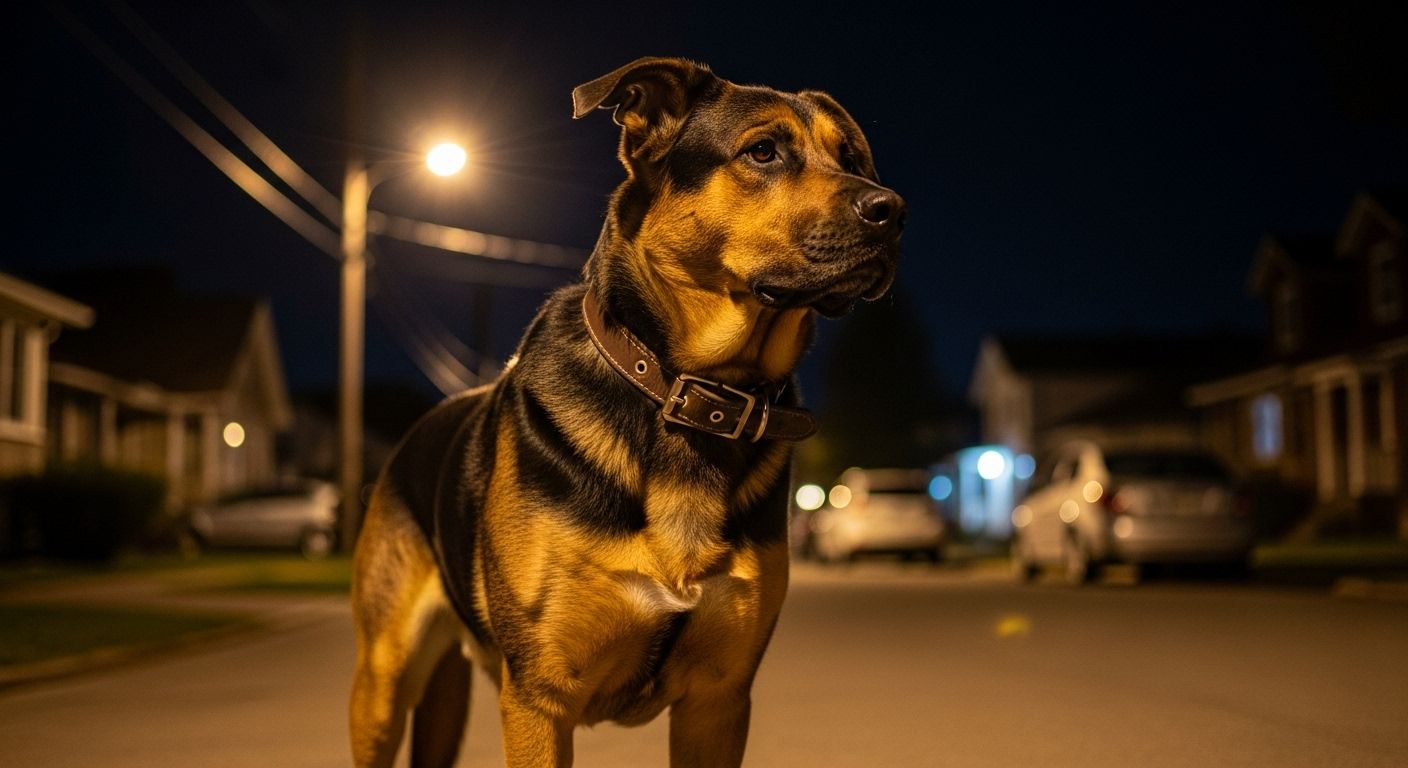
A serious guard dog mix. This is not a starter dog.
| Trait | Details |
|---|---|
| Size | 75 to 115 lbs |
| Energy | Moderate to high |
| Temperament | Protective, loyal, can be territorial |
| Health | Watch for joint issues. Hip and elbow screenings recommended |
| Best for | Experienced owners who want a natural guardian |
Golden Retriever German Shepherd Mix (Golden Shepherd)
Probably the best overall family dog on this list.
| Trait | Details |
|---|---|
| Size | 55 to 85 lbs |
| Energy | Moderate to high |
| Temperament | Gentle, intelligent, great with kids |
| Trainability | Excellent. Often used as service dogs |
| Best for | Families, first-time large dog owners |
This mix softens the GSD intensity with Golden friendliness. If I were recommending a mix to someone who has never owned a big dog before, this would be it.
High-Energy Mixes (for Active Owners Only)
German Shepherd Australian Shepherd Mix
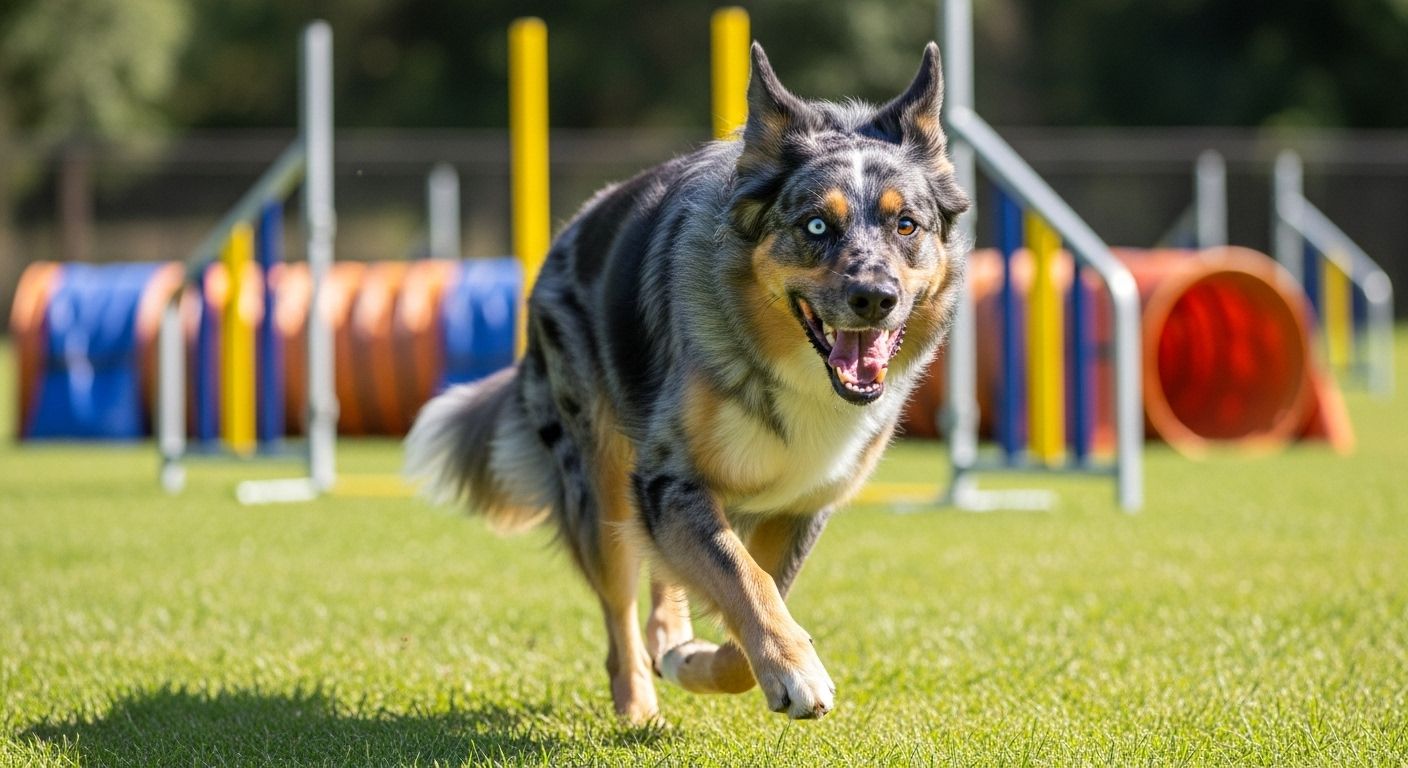
Both parent breeds are herding dogs. The result is a dog that wants to work 24/7.
| Trait | Details |
|---|---|
| Size | 45 to 75 lbs |
| Energy | Extremely high |
| Coat | Can have merle patterns, very striking |
| Instincts | Will herd children, other pets, and you if given the chance |
| Best for | Farms, agility competitors, very active owners |
Border Collie German Shepherd Mix (Shollie)
The brainiest mix on this list. This dog will outsmart you.
| Trait | Details |
|---|---|
| Size | 40 to 70 lbs |
| Energy | Extreme |
| Intelligence | Needs puzzle toys, training sessions, and a "job" to stay sane |
| Best for | Owners who want a training partner, not just a pet |
Without mental stimulation, a Shollie will create its own entertainment. And you won't like what it comes up with.
Blue Heeler German Shepherd Mix
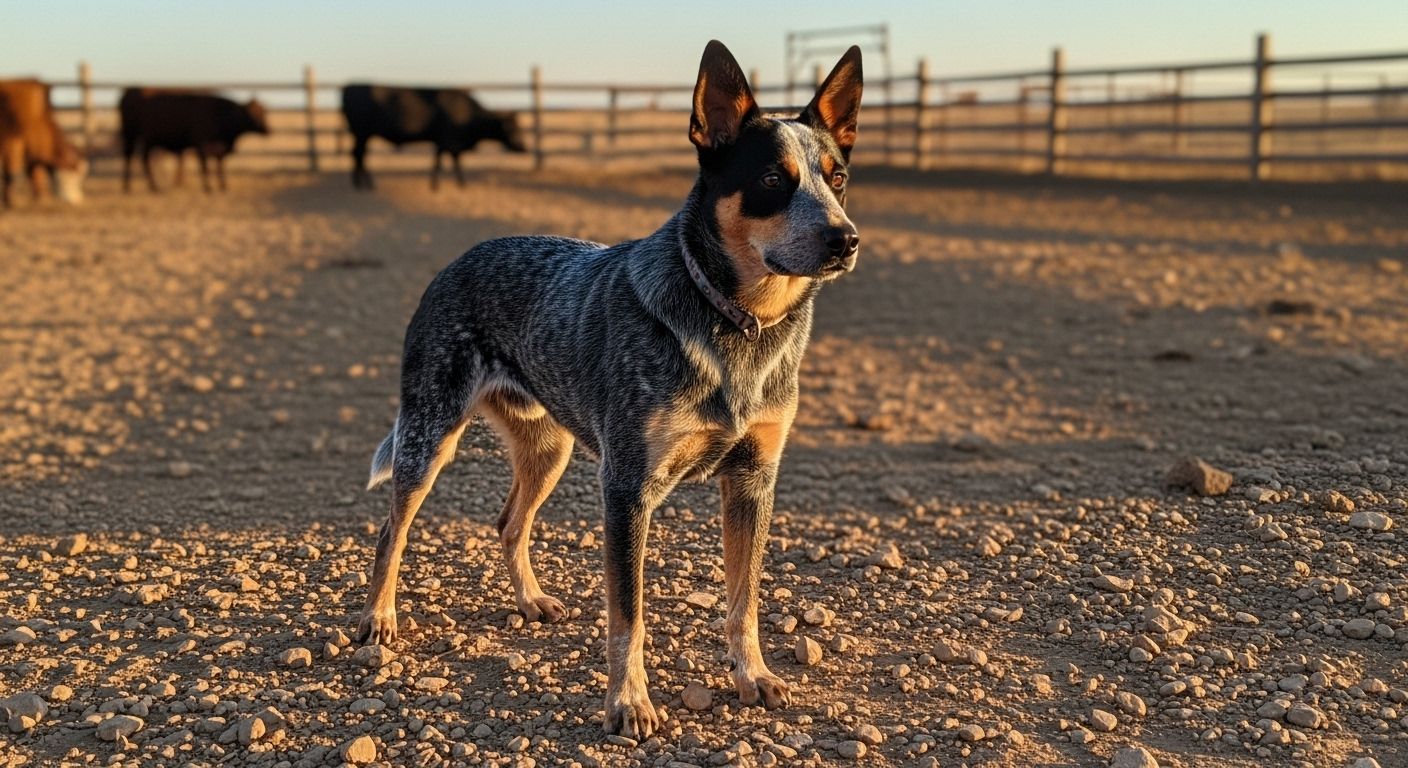
Built for farm life. Tough, tireless, and all business.
| Trait | Details |
|---|---|
| Size | 40 to 65 lbs |
| Energy | Very high. Will work sunup to sundown |
| Temperament | Loyal to one person, can be reserved with strangers |
| Best for | Rural property, active working environment |
Family and Apartment Friendly Mixes
Beagle German Shepherd Mix
Mid-size, manageable energy, strong nose.
| Trait | Details |
|---|---|
| Size | 35 to 55 lbs |
| Energy | Moderate |
| Personality | Playful, food-motivated, can be stubborn |
| Best for | Townhomes, families with kids |
Their stubborn streak comes from the Beagle side. Food rewards are the only currency that works consistently.
Corgi German Shepherd Mix (Corman Shepherd)
Yes, it's real. Yes, it looks exactly like you think it does.
| Trait | Details |
|---|---|
| Size | 25 to 50 lbs |
| Appearance | GSD head on Corgi body. Short legs, long body |
| Energy | Surprisingly high |
| Health note | Use ramps for furniture. Long backs are prone to spinal injuries |
| Best for | People who want a smaller GSD personality |
These dogs have the attitude of a full-size German Shepherd packed into a body that's a foot shorter. It's equal parts adorable and ridiculous.
Pug German Shepherd Mix
The oddball of the group.
| Trait | Details |
|---|---|
| Size | 30 to 50 lbs |
| Energy | Low to moderate |
| Personality | Clownish, entertaining, loves people |
| Health warning | Shorter snout can cause breathing issues in heat |
| Best for | Casual owners who want a moderate-energy companion |
Coat Types and Colors Across Mixes
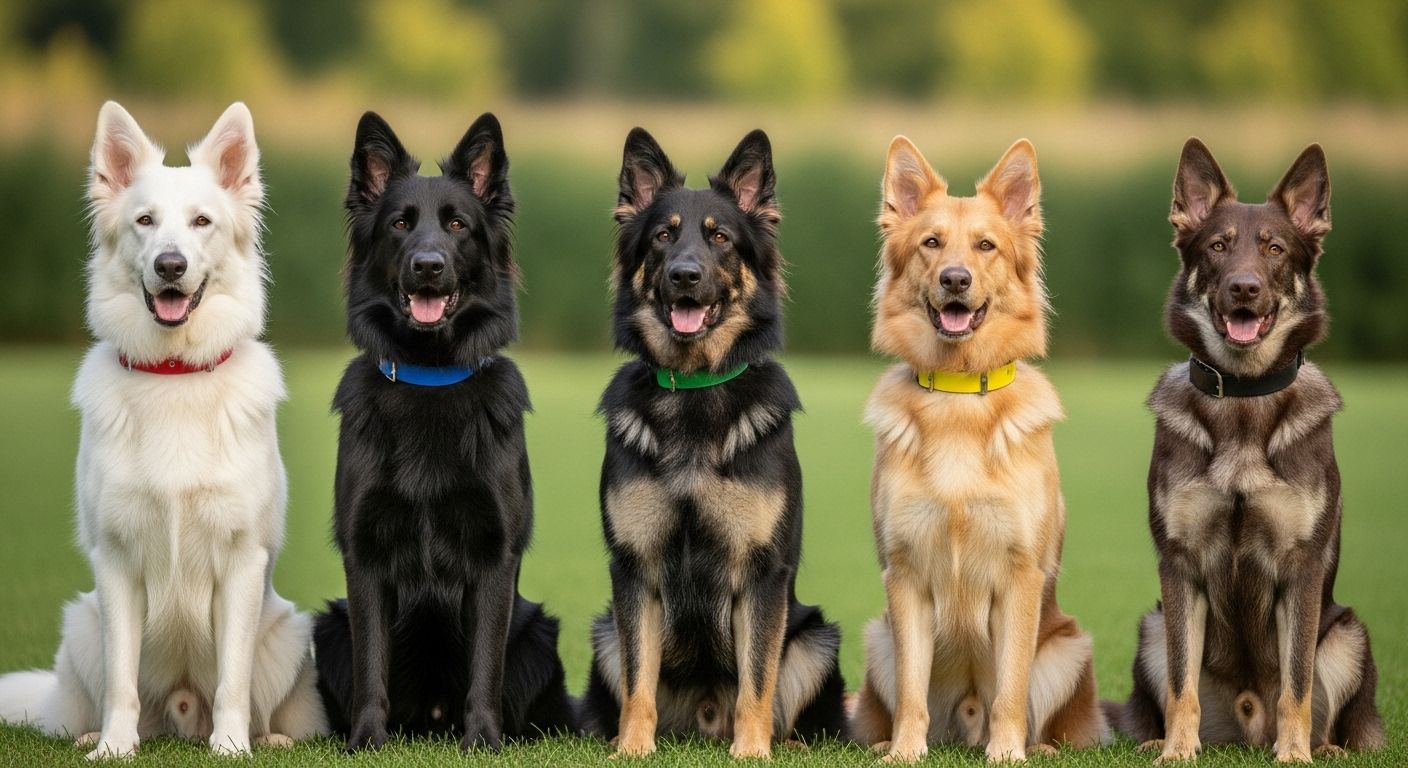
GSD mixes come in pretty much every color and coat type:
| Coat Type | Common in These Mixes |
|---|---|
| Short and dense | Pitbull mix, Rottweiler mix |
| Medium double coat | Lab mix, Golden mix |
| Long and thick | Husky mix, Australian Shepherd mix |
| Merle pattern | Australian Shepherd mix |
| Brindle | Pitbull mix (occasionally) |
| Black and tan classic | Most mixes inherit some GSD coloring |
Shedding is a constant across almost all mixes. If you're allergic or hate dog hair, a German Shepherd mix of any kind is probably not for you. The shedding tips I use for purebred GSDs apply to mixes too.
How to Choose the Right Mix
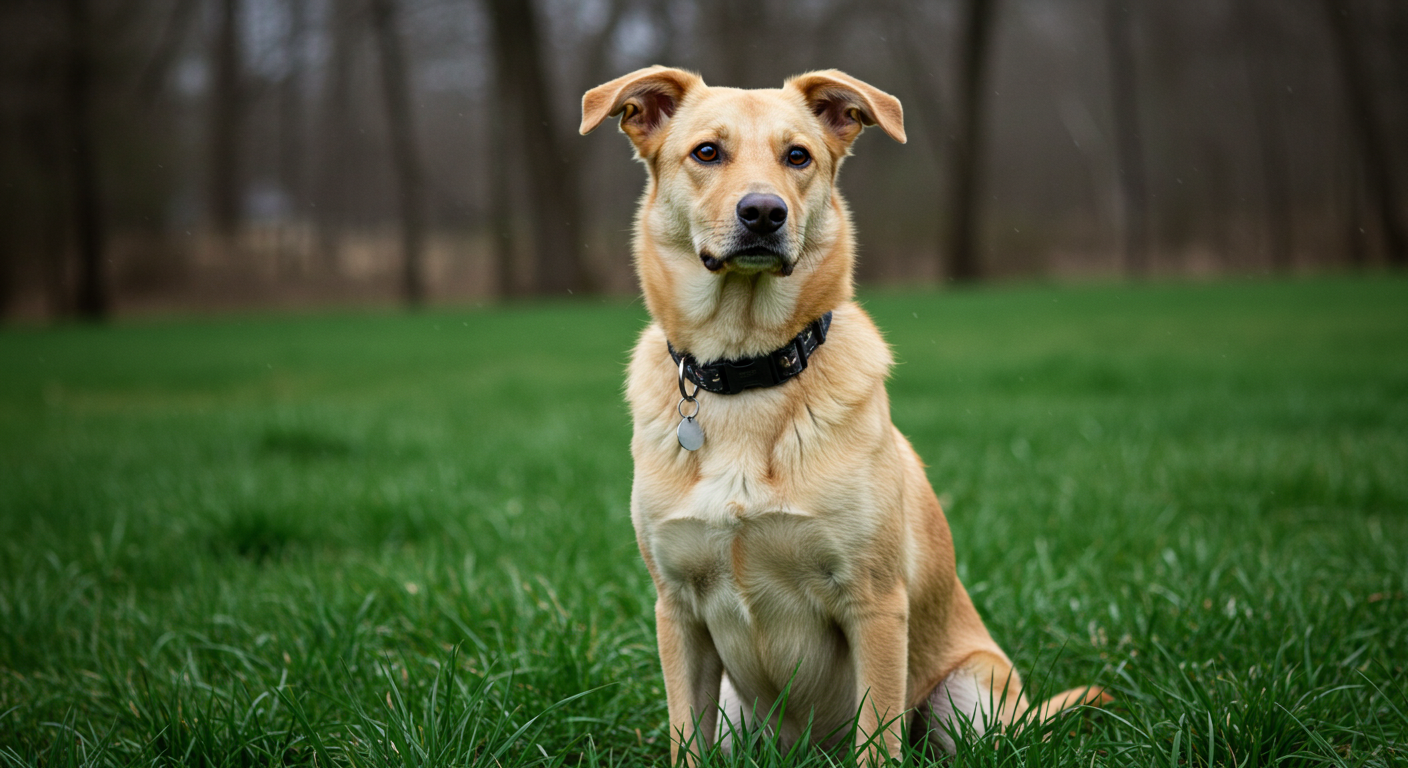
Be honest with yourself about these five things:
1. Your activity level. If you run or hike regularly, the Husky or Aussie mix will love you. If your idea of exercise is walking to the mailbox, get a Pug mix or a Beagle mix.
2. Your living space. Apartment? Lab mix, Beagle mix, or Corgi mix with daily walks. Big yard? Almost any mix will work. No yard and no time? Skip the GSD mix entirely.
3. Your experience. First dog ever? Golden Shepherd or Sheprador. Had dogs before but never a working breed? Lab mix. Experienced with strong breeds? Pitbull or Rottweiler mix.
4. Your grooming tolerance. Every GSD mix sheds. But some shed way more than others. Husky mixes and Golden mixes are the worst. Pitbull mixes are the easiest to maintain.
5. Your budget. Large breed mixes need quality food, vet screenings for hips/elbows (OFA recommends testing), and potentially pet insurance. Budget $100 to $200/month for ongoing costs.
Adopt or Buy?
If you're open to an adult dog, breed-specific rescues are excellent. You know the temperament already because the dog is past the unpredictable puppy phase. Our local GSD rescue always has mixes available.
If buying from a breeder, make sure they health-test both parents and will let you visit. If a breeder won't show you where the dogs live, walk away. Period.