When your pet is scratching incessantly or suffering from a sudden insect sting, you need a quick answer to the question: "How much Benadryl can I give my dog?"
Whether you have a German Shepherd, a Labrador, or a small Terrier, Benadryl (diphenhydramine) is a veterinary staple for treating mild allergic reactions. However, safety is paramount. Administering the wrong amount or choosing a formula with hidden additives can turn a simple itch into a medical emergency.
This guide details the correct Benadryl dosage chart for all breeds, provides precise weight-based calculations, and highlights health conditions that make this medication risky. Before opening the medicine cabinet, ensure you know exactly what is safe for your canine companion.

Bedsure Waterproof Blanket for Small Dogs
This OEKO-TEX certified blanket features a central waterproof membrane to protect furniture from spills and pet hair. The reversible design offers warm Sherpa and soft flannel fleece for ultimate pet comfort and durability. Lightweight and machine-washable, this 25"x35" throw is ideal for small pets at home or while traveling.
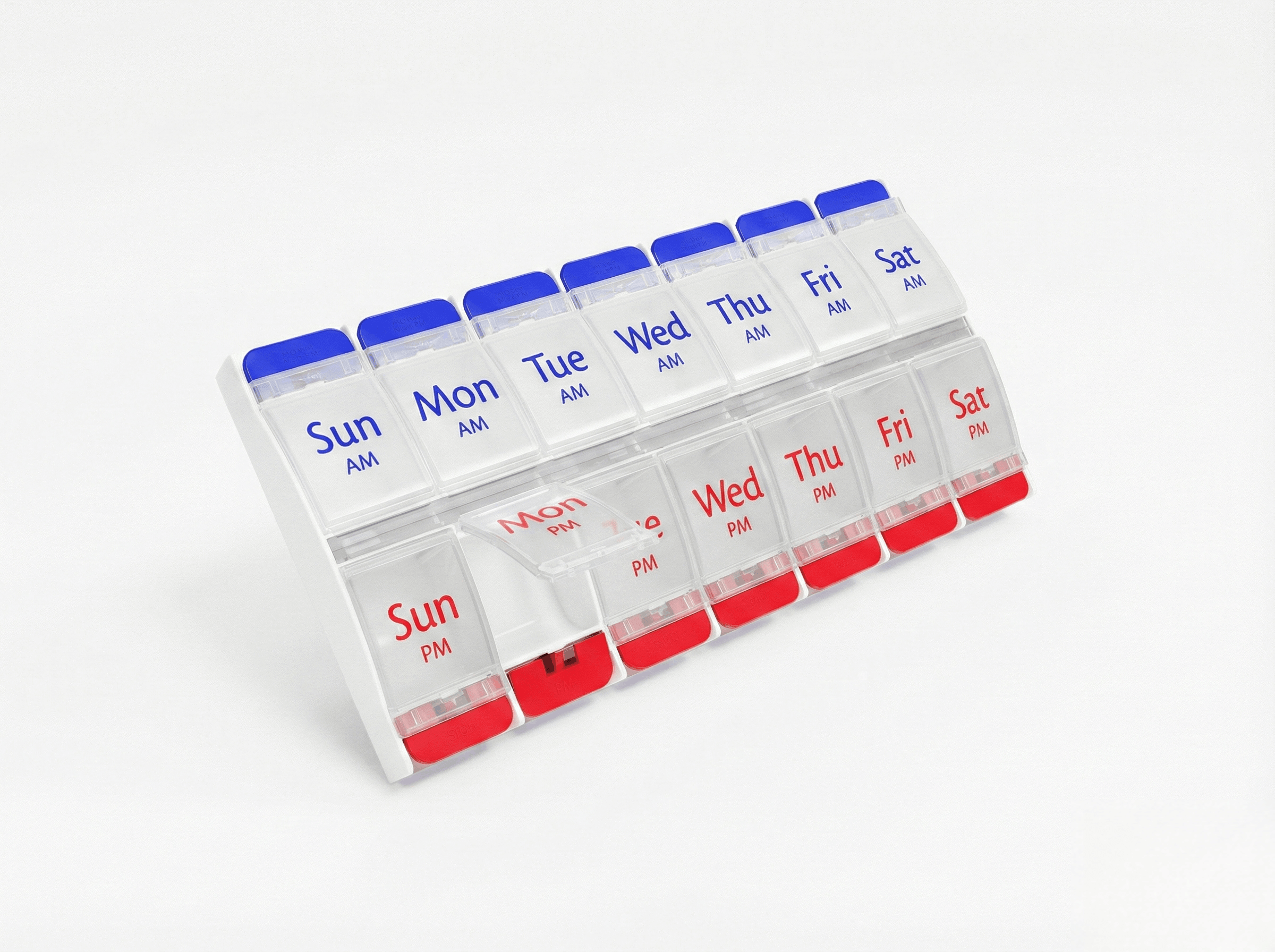
EZY DOSE Push-Button AM/PM Pill Case
The award-winning EZY DOSE 7-Day AM/PM Pill Case features effortless push-button lids designed specifically for arthritis and limited dexterity. Its extra-large, BPA-free compartments hold up to 40 aspirin each and use a contoured scoop bottom for easy fingertip removal. A pharmacist-designed non-slip base provides stability for simple one-handed operation at home or during travel.
Dosage Guidelines
The generally accepted dosage of Benadryl for dogs is 1 mg of diphenhydramine per pound of body weight (approximately 2–4 mg/kg).
Unlike humans who take a standard adult dose, dog Benadryl doses must be calculated precisely based on size. This precision prevents accidental overdose and ensures the medication is effective. According to the Merck Veterinary Manual, antihistamines like diphenhydramine are most effective when used preventatively or for acute reactions.
Weight Dosage Chart
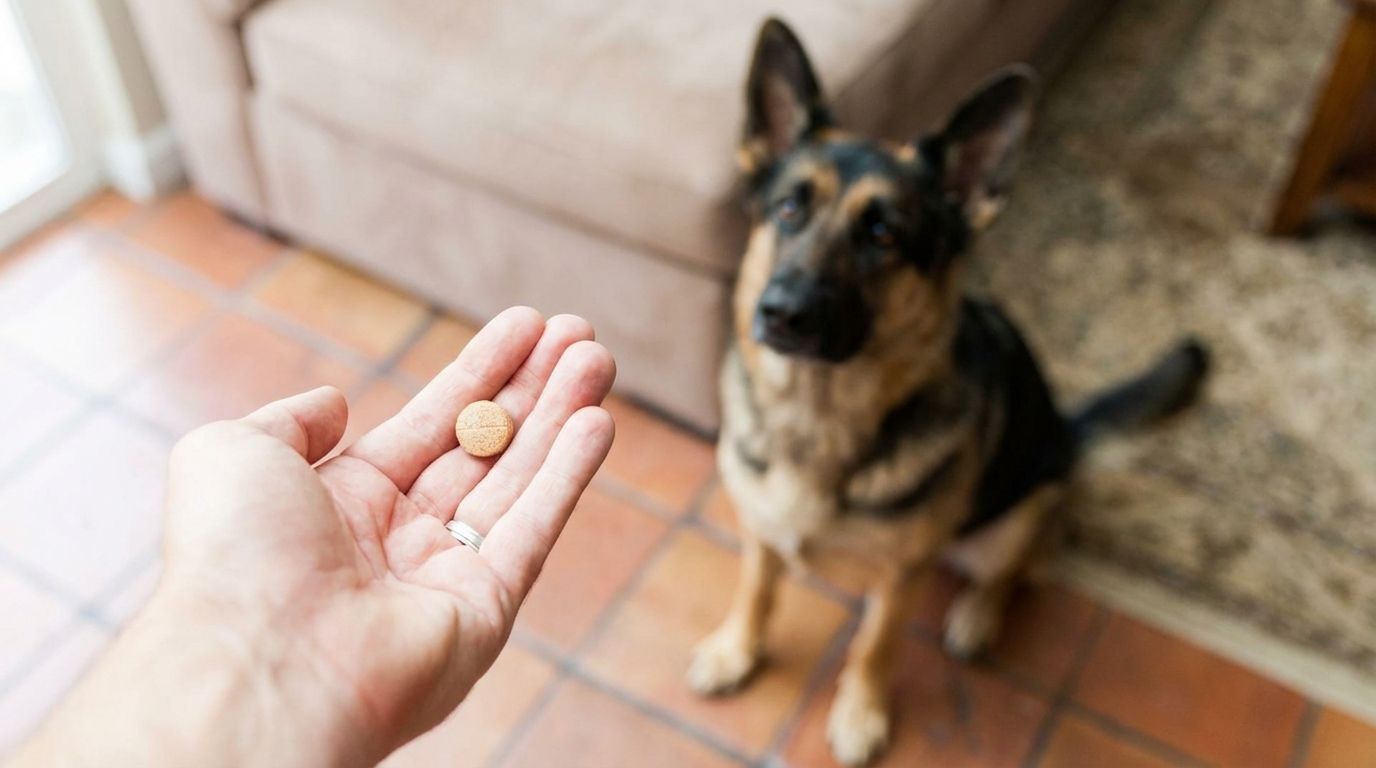
Below is a quick reference chart for common dog sizes. This guide assumes you are using standard 25 mg tablets or Children’s Liquid Benadryl (typically 12.5 mg per 5 mL).
| Dog Weight | Target Dose (mg) | 25 mg Tablets | Children’s Liquid (12.5 mg/5 mL) |
|---|---|---|---|
| 5 lb | 5 mg | ¼ tablet (approx) | 2 mL |
| 10 lb | 10 mg | ½ tablet | 4 mL |
| 25 lb | 25 mg | 1 tablet | 10 mL |
| 50 lb | 50 mg | 2 tablets | 20 mL |
| 75 lb | 75 mg | 3 tablets | 30 mL |
| 100 lb | 100 mg | 4 tablets | 40 mL |
💡 Pro Tip: For small dogs (under 10 lbs), tablets are difficult to split accurately. Veterinarians usually recommend the liquid form for better precision.
Calculating Doses
If your dog's weight doesn't fit perfectly into the chart above, you can determine exactly how many mg of Benadryl to give using simple math.
How to Calculate the Tablet Dose:
- Weigh your dog in pounds.
- The Rule: Give 1 mg per pound of body weight.
- The Formula: `Dog Weight (lbs) ÷ 25 = Number of Tablets`
- Example A 50 lb dog ÷ 25 = 2 Tablets.
How to Calculate the Liquid Dose:
- Check Concentration: Ensure you have Children's Liquid Benadryl (12.5 mg per 5 mL).
- The Rule: There are 2.5 mg of medication in every 1 mL of liquid.
- The Formula: `Dog Weight (lbs) ÷ 2.5 = Dose in mL`
- Example: A 10 lb dog ÷ 2.5 = 4 mL.
Measuring Safely: Never use a kitchen spoon. They are not standardized and can lead to dosing errors. Always use a calibrated oral syringe. For puppies, accurate measurement is critical; refer to our Puppy Food 101 guide for more on managing intake for growing dogs.
Dosing Schedule
You can typically administer Benadryl every 8 to 12 hours (2 to 3 times daily). Guidelines from VCA Hospitals suggest that consistency is key for sustained relief.
- Daily Limit: Do not exceed three doses in a 24-hour period unless directed by your veterinarian.
- Missed Dose: If you miss a dose, give it as soon as you remember. However, if it is close to the next scheduled time, skip the missed one. Never double the dose.
Time to Effect
Owners often ask, "Does Benadryl make a dog sleepy?" and how long it takes to work.
- Onset: It typically takes 30 to 60 minutes to take effect.
- Duration: Relief usually lasts 6 to 12 hours.
- Drowsiness: Yes, sedation is a very common side effect. You should plan to give the first dose when you are home to monitor them for 1–2 hours.
Common Uses
Benadryl is an antihistamine that blocks histamine receptors, reducing allergic symptoms. While useful, it is not a cure-all for every condition.
Treating Allergies
Can dogs have Benadryl for skin issues? Yes, it is most effective for acute, sudden reactions.
- Best for: Hives, facial swelling, and sudden itching from environmental allergens.
- Not great for: Chronic conditions. If your dog has persistent discharge or irritation around the eyes, read our guide on why dogs have eye boogers to rule out infections.
If your dog constantly licks their paws, check out our guide on why dogs lick their feet for underlying causes.
Insect Stings
If you have a dog stung by a bee or wasp, Benadryl can be a lifesaver to reduce dangerous swelling. According to the Cornell University College of Veterinary Medicine, prompt action is required for stings near the face or mouth.
- Remove the stinger: Scrape it out with a credit card to avoid pumping more venom into the skin.
- Give Benadryl: Administer the standard dose (1 mg/lb).
- Home Care: Apply a cold compress.
- 🚨 Red Flags: Watch for vomiting, pale gums, or collapse. These are signs of anaphylaxis, go to the vet immediately.
Anxiety and Travel
- Motion Sickness: It can help with mild car sickness due to sedation.
- Anxiety: For severe noise phobias or separation anxiety, Benadryl is often insufficient. If your dog is reactive or fearful, behavioral strategies are often more effective. Learn more about managing fear aggression in dogs for better long-term solutions.
Safety Precautions
Even though it is an over-the-counter drug, it carries risks. According to the American Kennel Club (AKC), you should always consult your vet before use.
Health Contraindications
Diphenhydramine can worsen specific health issues. Avoid use if your dog has:
- Glaucoma: It increases intraocular pressure. If you use glaucoma dog eye drops, oral Benadryl can counteract them.
- Cardiovascular Disease: It affects heart rate and blood pressure.
- Urinary Retention: It can make urination difficult.
- Hyperthyroidism: Can worsen symptoms.
For a broader look at common medical issues, refer to our ultimate guide to GSD health problems.
Drug Interactions
Be cautious if your dog is taking:
- Sedatives: Pain meds or Trazodone.
- MAOIs: Used for Cushing’s disease or senility.
Toxic Ingredients
Not all "Benadryl" is safe. Brand extensions often add ingredients that are deadly for dogs. The FDA warns that many human medications contain additives toxic to pets.
- ❌ Decongestants: Avoid anything labeled "D" (e.g., Benadryl-D) or containing Pseudoephedrine.
- ❌ Alcohol: Often found in liquid syrups.
- ❌ Xylitol: This artificial sweetener is highly toxic. It causes liver failure and dangerous blood sugar drops. Always check for this in liquid meds or meltaways. Learn more about products with Xylitol to keep your dog safe.
- ❌ "PM" Varieties: Avoid "Benadryl PM" as it often contains Acetaminophen, which is toxic to dogs.
Vulnerable Dogs
- Puppies: Young livers metabolize drugs differently; always ask a vet.
- Seniors: Older dogs often have hidden kidney or heart issues. Check your dog's stage of life with our dog years calculator.
- Pregnant/Nursing: Generally avoided as it crosses the placenta.
Side Effects
Most dogs handle Benadryl well, but you should monitor them for adverse reactions.
Typical Reactions
- Drowsiness: The most frequent result.
- Dry Mouth: Your dog may drink more water.
- Urinary Retention: Less frequent urination.
- Paradoxical Excitement: Some dogs, especially Huskies or Terriers, may become hyperactive or agitated rather than sleepy.
Overdose Signs
If your dog consumes a lethal dose of Benadryl (generally 20–40 mg/kg, though toxicity can happen sooner), look for:
- Rapid or irregular heartbeat
- Tremors or Seizures
- Severe agitation
- Extreme lethargy
- Vomiting
Read our guide on how to induce vomiting in dogs to understand the process, but only perform this if explicitly told to do so by a professional.
Emergency Steps
If you suspect an overdose, do not wait. Call your vet or a poison control center immediately. The ASPCA Animal Poison Control Center is a critical resource in these moments.
- ASPCA Animal Poison Control: 888-426-4435
- Pet Poison Helpline: 855-764-7661
Safer Alternatives
If you are using Benadryl daily, it is likely a "band-aid" rather than a solution.
Modern Antihistamines
Vets often prefer second-generation antihistamines that cause less drowsiness, such as Zyrtec (Cetirizine) or Claritin (Loratadine). Always verify the dosage with your vet before switching.
Prescription Medications
For chronic issues, veterinary dermatology offers targeted options:
- Apoquel: Stops the itch signal.
- Cytopoint: An injection that neutralizes itch proteins.
- Dietary Changes: Often, skin issues stem from food. Review our 8-week action plan for dogs with itchy skin to address the root cause, or browse the healthiest dog food in 2025 for high-quality nutrition options.
Veterinary Consultation
Schedule an appointment if itching lasts more than a week, is accompanied by hair loss, or if there is a foul odor. Persistent skin issues may require more than OTC medication.
Key Takeaways
- Dose: The safe Benadryl dosage is 1 mg per pound, given every 8–12 hours.
- Product: Use plain Diphenhydramine only. No decongestants, alcohol, or Xylitol.
- Safety: Avoid giving to dogs with glaucoma or heart disease without approval.
- Action: If your dog shows signs of anaphylaxis (swelling/breathing trouble), go to the ER immediately.
Disclaimer: This article is for informational purposes only and does not constitute medical advice. Every dog is different. Always consult your veterinarian before administering any new medication to your pet.