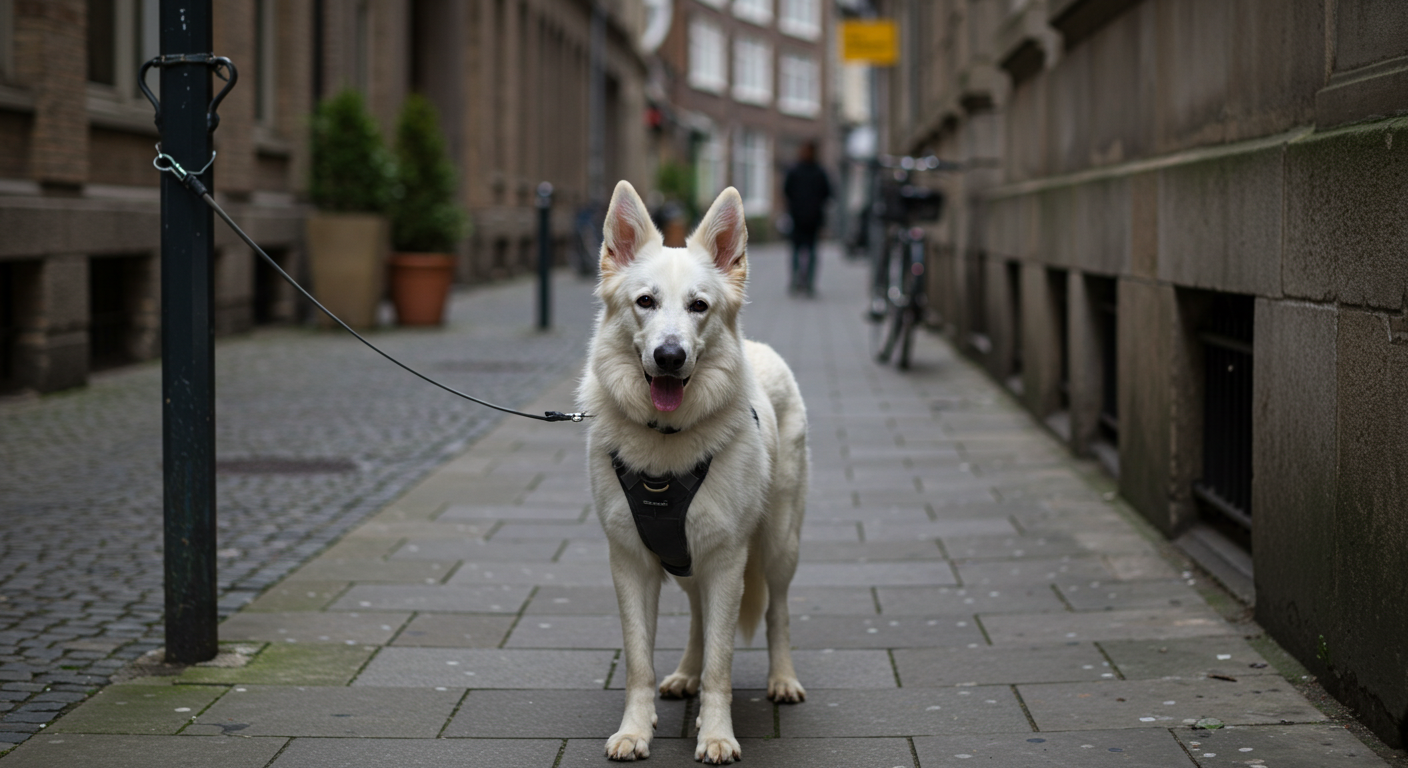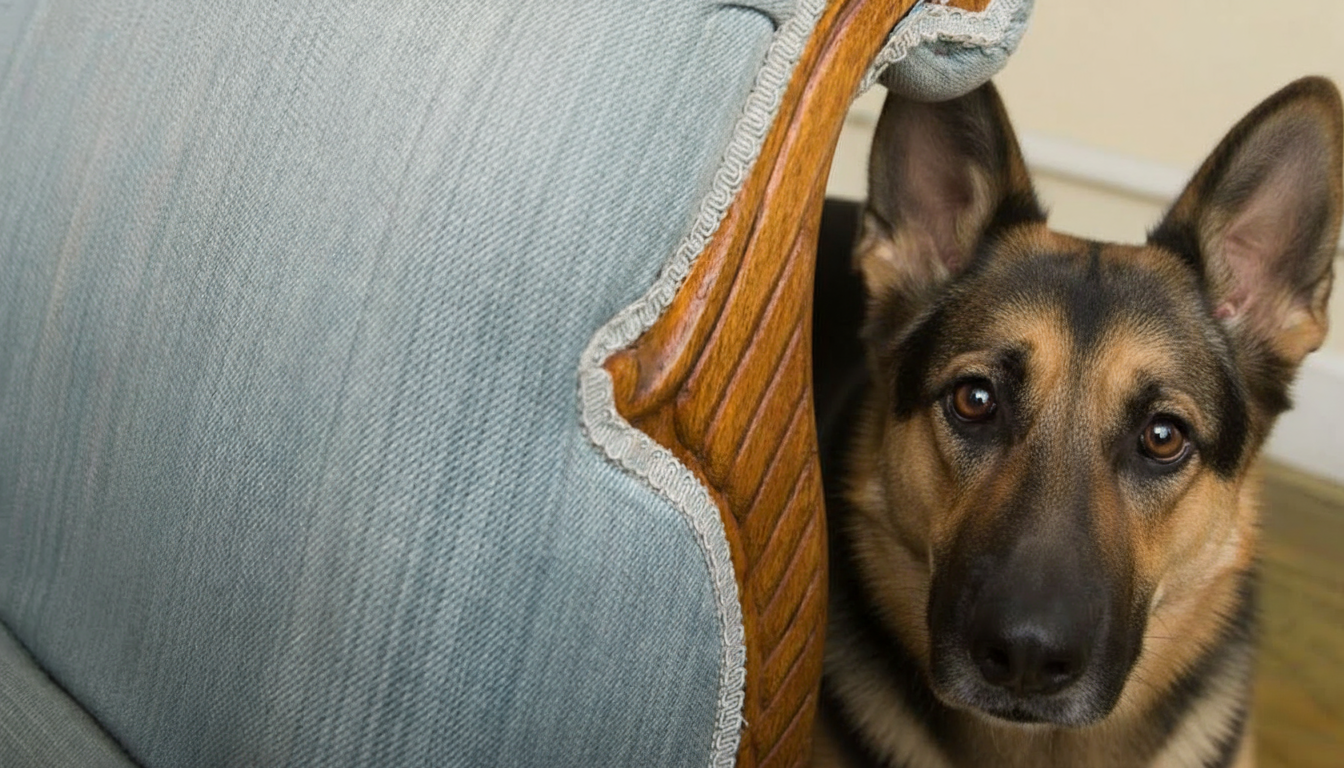
Is nail day at your house more like a wrestling match? You aren’t alone. Every week, thousands of owners search for how to cut uncooperative dogs nails after their pup slithers under the couch or flashes a warning growl.
Neglecting this grooming task isn't an option, but the battle stops today. This friendly guide breaks down how to trim a dogs nails, even when your furry Houdini has other plans. Together, we’ll cover the best clipping methods, safety tips for the puppy fear stage, and when to call a pro.
Health Benefits
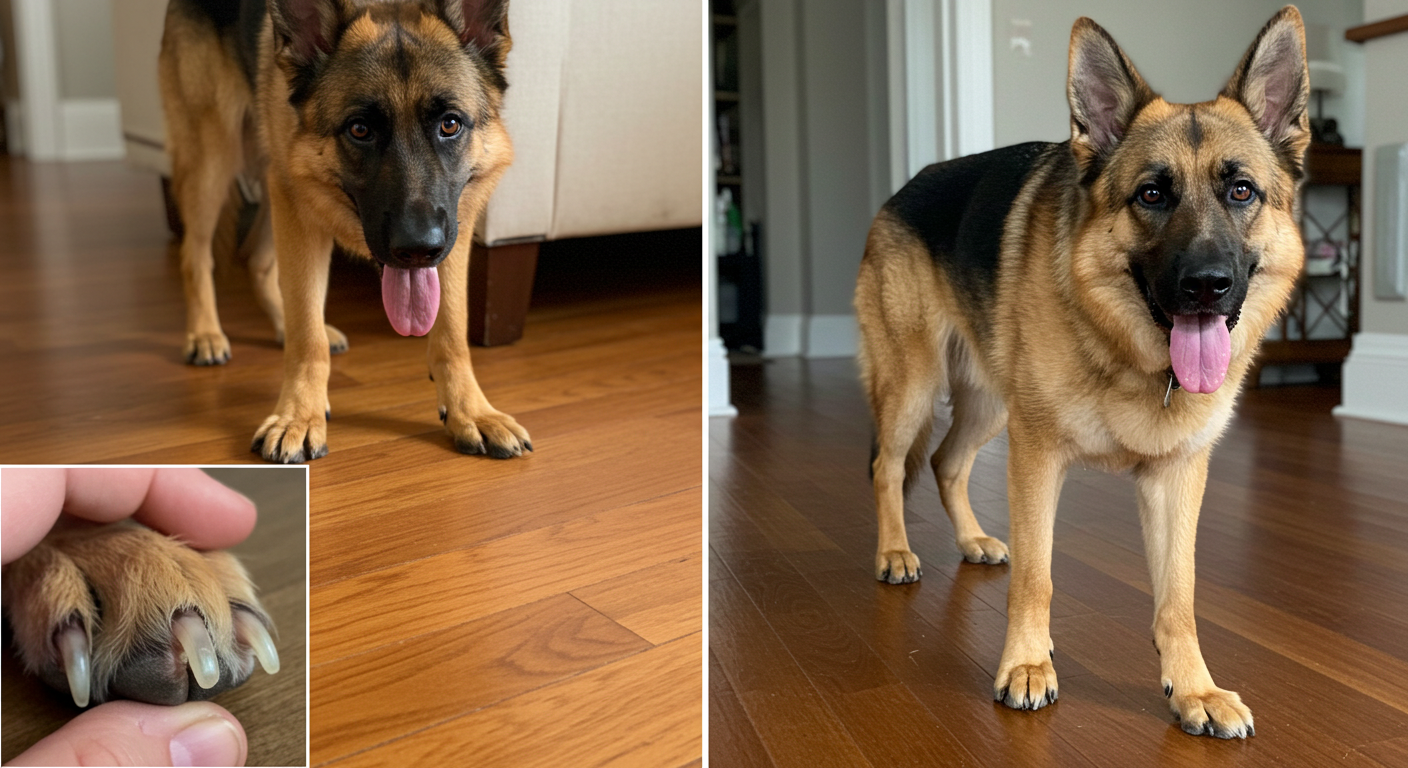
Long nails aren’t just a cosmetic problem; they change the way a dog moves. Ever notice that click-click-click on your hardwood floors? That sound means the nails are too long and hitting the ground before the pads do. Over time, this tiny shift can strain joints, splay toes, and cause significant pain.
Why keeping nails short matters:
- Joint Protection: Reduces stress on feet and lowers arthritis risk.
- Better Traction: Improves grip on slick tile and hardwood floors.
- Injury Prevention: Fewer splits, snags, and torn claws.
- Easier Maintenance: The quick (the blood vessel inside) shrinks, making future trims easier.
Plan on trimming every one to three weeks. Small, regular clips are far better than marathon sessions that leave everyone stressed.
Essential Tools
Think of nail day like baking: life is easier when everything is ready before you start. Having the right dog training equipment and grooming gear is half the battle.
- Clippers or Grinder: Scissor-style for beefy claws, guillotine for petite paws, or a quiet rotary grinder if the "snip" sound scares your dog.
- Styptic Powder: Stops bleeding fast if you nip the quick.
- High-Value Treats: Soft, pea-sized goodies for rapid rewards.
- Non-Slip Surface: A yoga mat or rug prevents sliding.
- Bright Light: A headlamp helps you see the quick on dark nails.
- Helper: A calm friend or a lick mat to keep them distracted.
Set up in a quiet room, silence your phone, and play calming music. Your dog feels your vibe; if you are chill, they will be too.
Building Trust
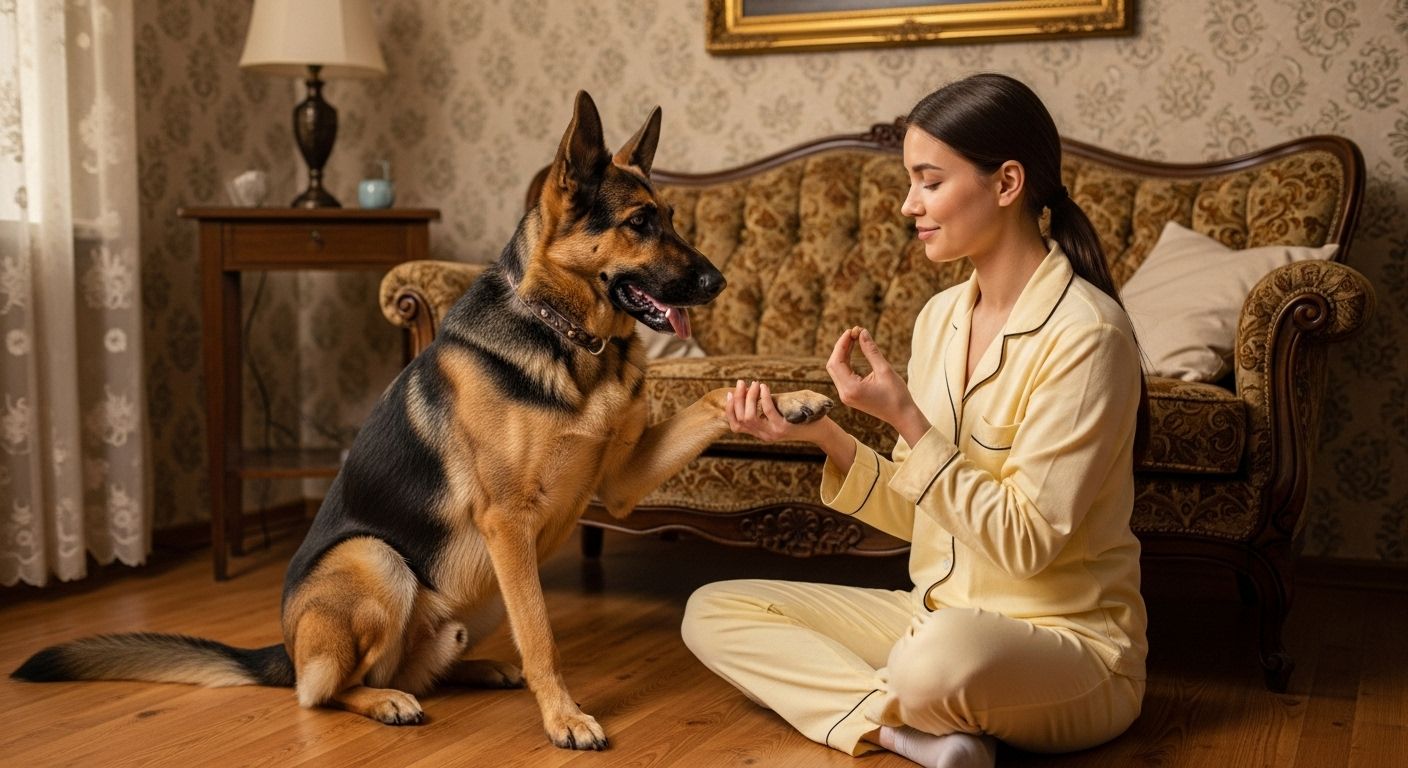
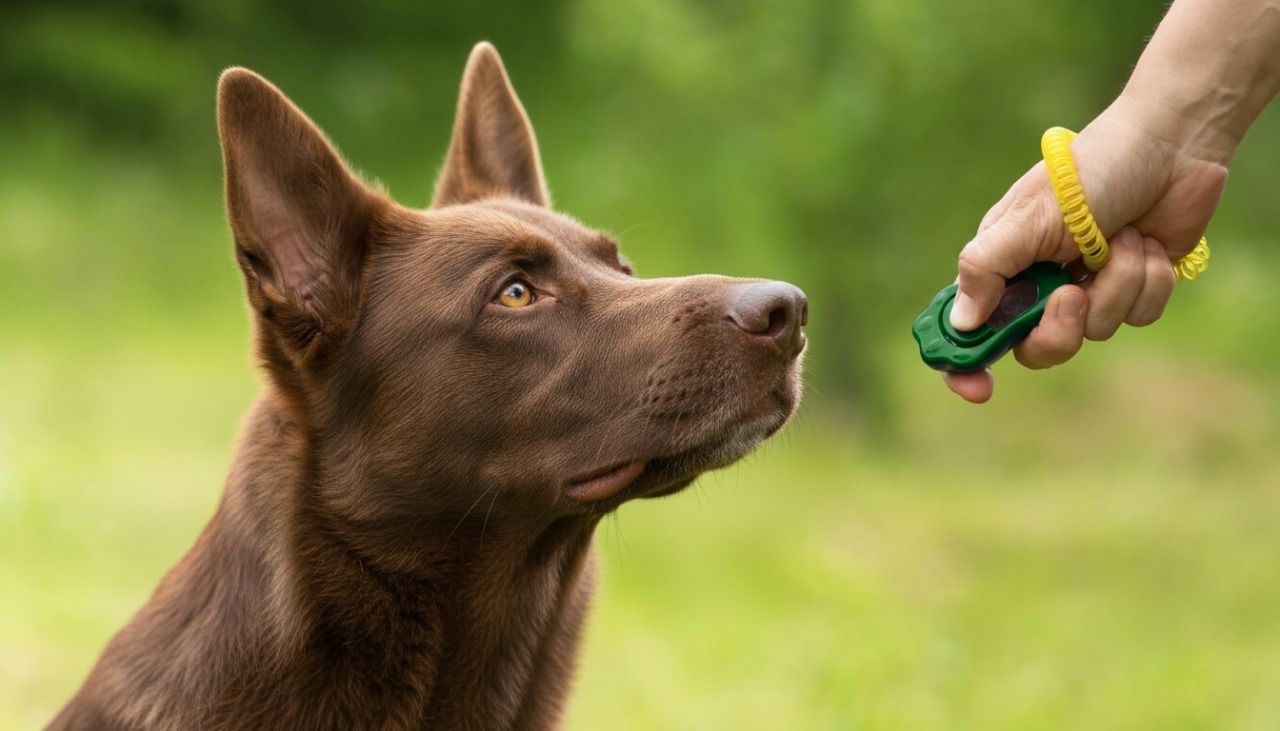
A dog who bolts at the sight of clippers isn’t stubborn, he’s scared. Desensitization turns the scary stuff into a game. You can even use clicker training to mark and reward calm behavior.
The Micro-Step Approach:
- Show the Tool: Flash the clippers, toss a treat, hide the tool. Repeat until the tail wags.
- Touch the Body: Pet shoulders and legs while rewarding calm.
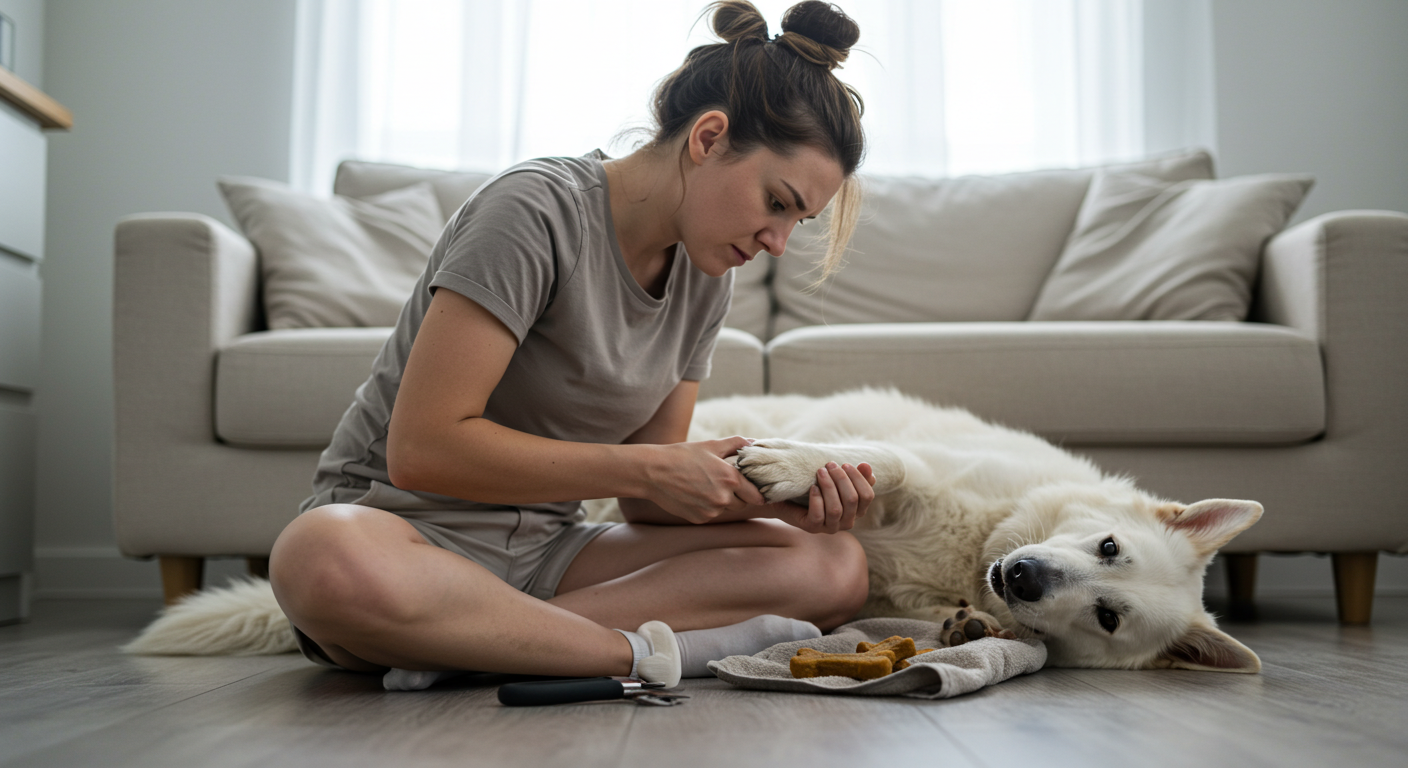
- Hold a Paw: Lift briefly, treat, and release. Increase time slowly.
- Tap the Nail: Gently tap the clipper against the nail, then treat.
- Fake Clip: Cut dry pasta near them so they get used to the sound.
Move to the next step only when your dog stays relaxed. Rushing is why so many owners struggle with fear aggression during grooming.
Trimming Technique
Ready to cut without nicking the quick? Follow this rhythm for every nail:
- Stabilize: Slip your forearm under your dog’s belly for support and cradle the paw firmly.
- Locate the Quick:
- Light nails: The pink area is the live blood vessel.
- Dark nails: Shine a light from behind. The hollow tip is safe; the dense center is the quick.
- Angle the Cut: Clip at a 45-degree angle away from the pad. Shave off 1mm slices until you see a gray or pink oval.
- Commit: Make one swift squeeze. Hesitation crushes the nail.
- Smooth: Use a file to prevent carpet snags.
- Reward: One nail equals one jackpot treat.
If the quick bleeds:
Press styptic powder on the tip for ten seconds. Keep your cool and consult this guide on dog nail bleeding. Even pros make mistakes.
Common Challenges
Black or Thick Nails
- Flood with Light: Use a headlamp or phone flashlight.
- Grind First: Remove the outer shell to reveal the quick's outline.
- Soak Paws: Warm water softens horn-like nails.
Large or Wriggly Dogs
- Elevate: Have your dog rest front paws on a bench; back paws become reachable.
- Distract: Smear peanut butter on a surface. Clip while they lick.
- Chin Rest: Teach them to rest their chin in your hand for a treat.
Recovering from Mistakes
If you hit the quick and your dog won't let you near them, go back to square one. Do three sessions of just touching the paw with the tool and treating. Rebuild trust before clipping again.
Curled Nails
Hooked nails usually house an extended quick. Trim just the tip, wait a week, and repeat. This encourages the quick to recede over time.
Professional Help
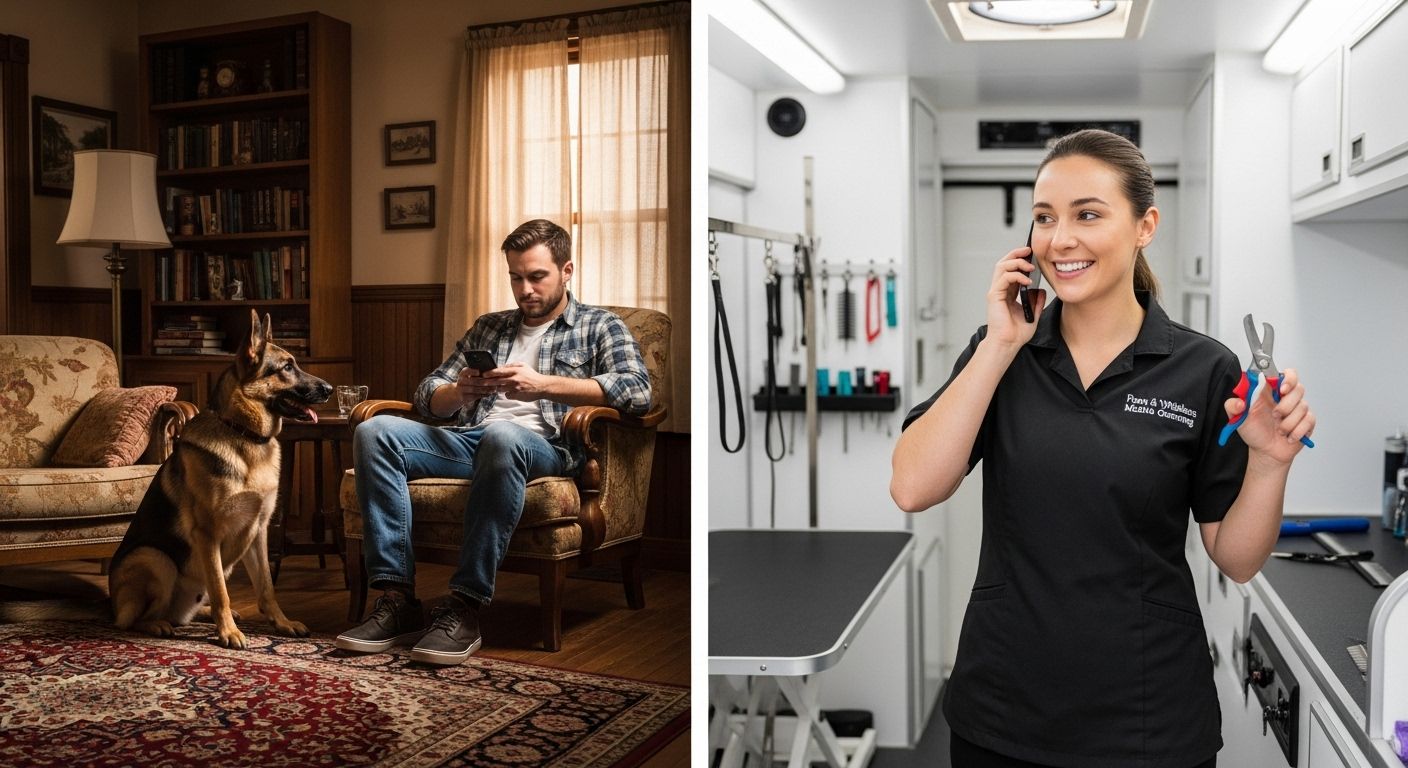
Sometimes DIY isn’t worth the stress. If you need to desensitize a dog to strangers before a vet visit, start early.
Professional options include:
- Mobile Groomers: The salon comes to you.
- Vet Techs: Quick, affordable trims during visits.
- Fear-Free Groomers: Experts in low-stress handling.
In severe cases, vet sedation is the kindest option. Your bond matters more than doing it yourself.
Calling a pro isn’t failure; it’s good pet parenting.
Conclusion
Learning how to cut uncooperative dogs nails requires patience, planning, and plenty of treats. Start with the right tools, break the process into positive micro-steps, and celebrate small wins.
Whether you master the routine at home or use a groomer, the goal is the same: comfy feet and a trusting dog. Short nails are vital for pain-free paw handling and healthy movement. Grab those clippers and give it another shot, you've got this!