I was at a dog park in 2019 when a woman rushed in asking if anyone had seen a sick puppy. Her 4-month-old Golden had started vomiting that morning, and by afternoon the stools turned bloody. My stomach dropped because I knew exactly what she was describing: parvovirus.
I've never had one of my German Shepherds contract parvo, and I'm grateful every day for that. But I've watched fellow breeders and rescue workers fight it, and the speed at which this virus moves is something every dog owner needs to understand.
So, what are the parvo symptoms in dogs, and how fast do you need to act? Here's the honest truth: you have hours, not days.
What Causes Parvo Symptoms in Dogs?
Canine parvovirus (CPV-2) is one of the most contagious and deadly viral infections dogs can get. It attacks the lining of the small intestine, destroying cells and preventing your dog from absorbing nutrients or fluids. In puppies, it can also attack the heart muscle.
The virus spreads through direct contact with an infected dog or through contaminated feces, soil, surfaces, and even shoes. According to the American Veterinary Medical Association, parvovirus can survive in the environment for months to years, making it incredibly difficult to eliminate.
Here's what makes parvo terrifying: an unvaccinated puppy can pick it up by sniffing a patch of grass where an infected dog eliminated weeks earlier.
Early Parvo Symptoms to Watch For
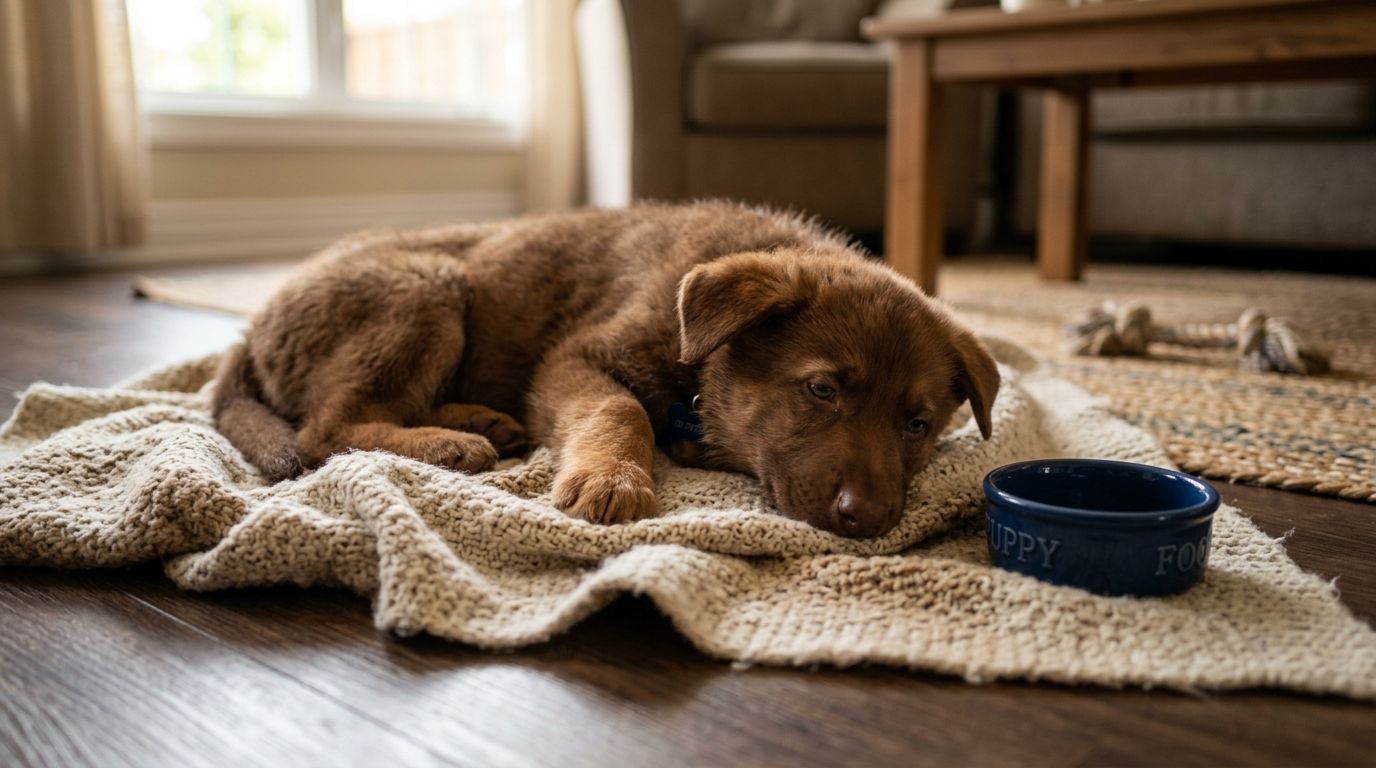
Parvo moves fast. The incubation period is typically 3-7 days after exposure, and once symptoms appear, the clock starts ticking.
First 24-48 hours:
- Sudden loss of appetite (your dog refuses food completely)
- Lethargy and depression (not just tired, but unresponsive)
- Mild fever (103-104°F)
Days 2-3:
- Severe, persistent vomiting
- Watery diarrhea that quickly becomes bloody
- The diarrhea has a distinct, foul metallic smell that's hard to forget once you've encountered it
- Rapid dehydration (dry gums, sunken eyes, skin tenting)
Days 3-5 without treatment:
- Complete collapse
- Hypothermia (body temperature drops below normal)
- Septic shock from bacterial infection entering the damaged intestinal wall
- Death
Warning: If your puppy or unvaccinated dog vomits more than twice in a day and shows any sign of bloody or unusually foul-smelling diarrhea, get to a vet immediately. Not tomorrow. Not after you "see how they are in the morning." Now. Every hour of delay reduces survival odds.
Who Is Most at Risk?
Parvo doesn't affect all dogs equally. Some are dramatically more vulnerable than others.
| Risk Factor | Risk Level | Why |
|---|---|---|
| Unvaccinated puppies (6 weeks - 6 months) | Very High | Immature immune system, waning maternal antibodies |
| Partially vaccinated puppies (missed a booster) | High | Incomplete immune protection |
| Unvaccinated adult dogs | Moderate-High | No acquired immunity |
| Fully vaccinated adult dogs | Very Low | Strong immune response from vaccine series |
| Immunocompromised dogs (any age) | High | Weakened defenses regardless of vaccine status |
German Shepherds are actually listed among breeds with higher susceptibility to parvovirus. The reason isn't fully understood, but genetics and immune response variations likely play a role. If you have a GSD puppy, staying on top of the puppy vaccine schedule is non-negotiable.
How Parvo Is Diagnosed
Vets use a fecal ELISA test (often called a "SNAP test") that detects parvovirus antigens in your dog's stool. Results come back in about 10 minutes, making it one of the fastest diagnostic tools available.
However, false negatives can occur in the very early stages of infection or if the test is run too soon after vaccination. If the SNAP test comes back negative but your vet still strongly suspects parvo based on symptoms, they may recommend a PCR test, which is more sensitive but takes longer.
Your vet will also run blood work to check the white blood cell count. A dramatically low white blood cell count (leukopenia) combined with parvo-like symptoms is a strong clinical indicator.
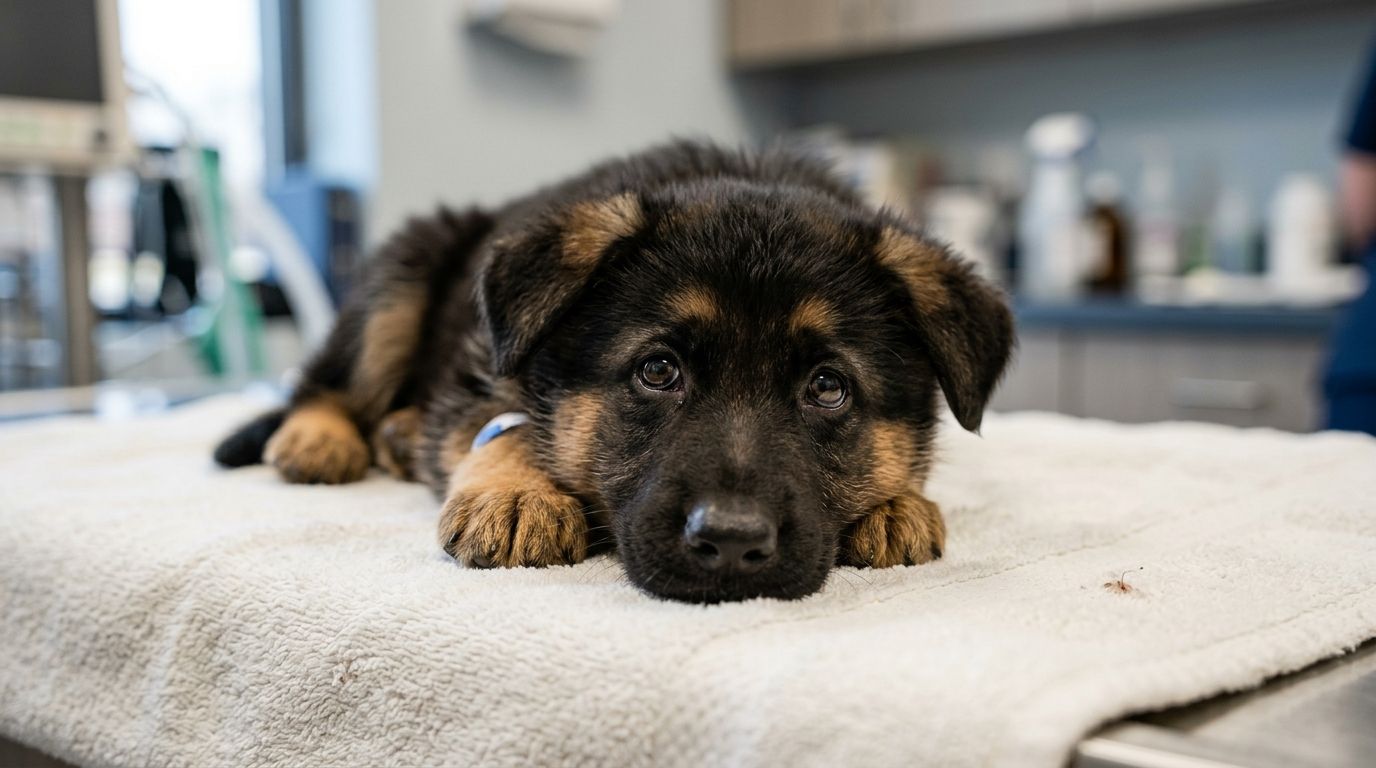
Treatment: What Happens at the Vet
There is no drug that kills parvovirus directly. Treatment is entirely supportive, meaning the goal is to keep your dog alive long enough for their immune system to fight off the virus.
Standard treatment includes:
IV Fluid Therapy. The single most important intervention. Parvo causes massive fluid loss through vomiting and diarrhea. Without aggressive IV hydration, dogs die from dehydration and electrolyte imbalance before the virus itself kills them.
Anti-nausea medication. Drugs like maropitant (Cerenia) stop the relentless vomiting so the dog can eventually hold down water and food.
Antibiotics. Parvo itself is a virus, not a bacteria. But the virus destroys the intestinal lining, allowing gut bacteria to enter the bloodstream (sepsis). Broad-spectrum antibiotics prevent or treat this life-threatening secondary infection.
Pain management. Parvo causes severe abdominal cramping. Pain medication keeps the dog more comfortable during the 5-7 day fight.
Nutritional support. Once vomiting is controlled, early feeding through small, bland meals helps the intestinal lining rebuild faster. Many vets now start small feedings earlier than traditional protocols suggested.
Survival Rates: The Numbers
Let's talk honestly about outcomes.
| Scenario | Survival Rate |
|---|---|
| Puppies with professional treatment | 68-92% |
| Adult dogs with professional treatment | 85-95% |
| Puppies without treatment | Less than 10% |
| Adult dogs without treatment | Varies, still very poor |
With aggressive veterinary care, most dogs can beat parvo. Without it, the virus is almost always fatal in puppies. The dogs who don't make it typically succumb to dehydration, sepsis, or the combination of both.
Treatment usually requires 3-7 days of hospitalization. Cost ranges from $1,500 to $5,000 depending on severity, duration, and your local vet's pricing.
Can You Treat Parvo at Home?
I'll be direct: home treatment for parvo is risky and should only be attempted under direct veterinary guidance when hospitalization genuinely isn't an option financially.
Some vets will send owners home with subcutaneous fluid supplies, anti-nausea injections, and detailed instructions. This "outpatient" approach has lower survival rates than inpatient care, but it's better than nothing.
What you should never do is try to treat parvo with over-the-counter medications, home remedies, or internet protocols. The fluid replacement alone requires a level of precision that's extremely difficult to manage without professional equipment.
Prevention: The Only Real Strategy
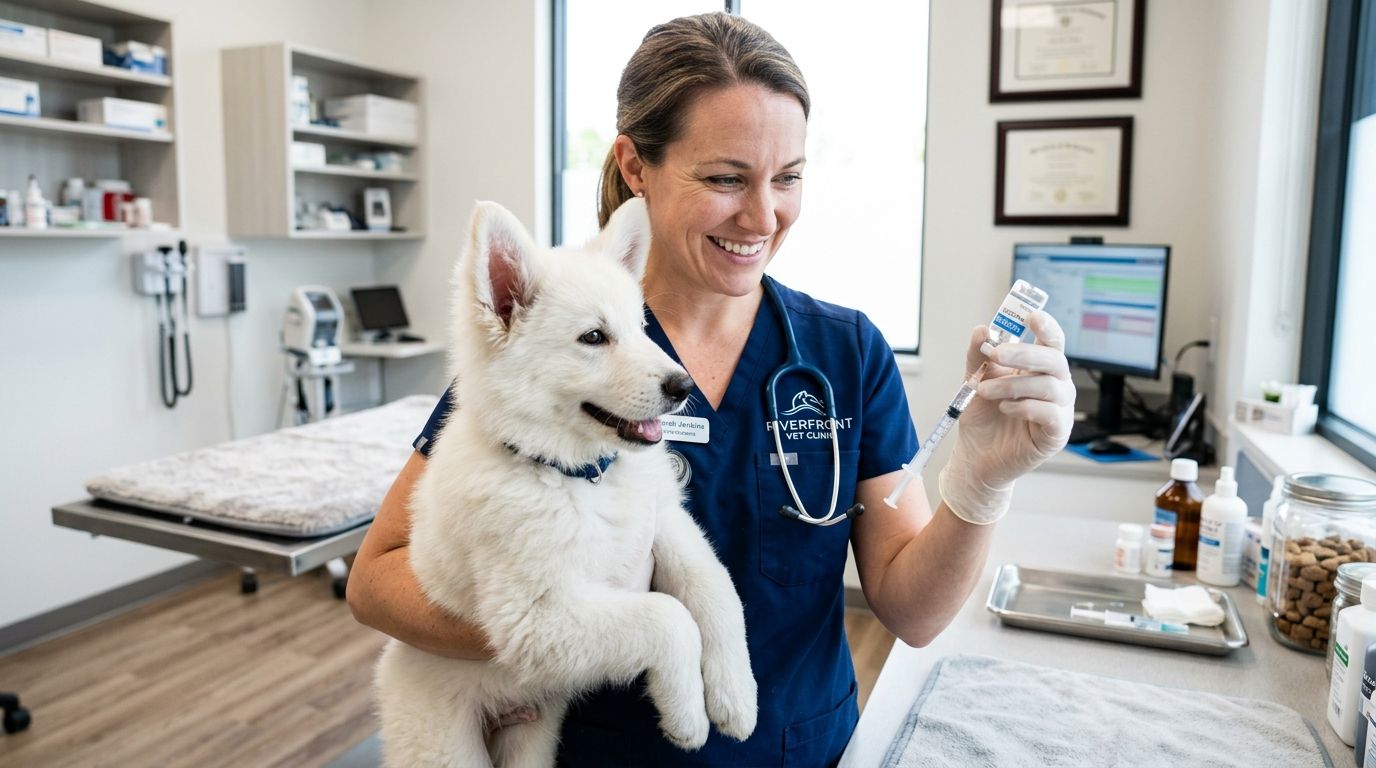
Parvo is preventable. The DHPP vaccine (which covers distemper, hepatitis, parainfluenza, and parvovirus) is one of the core puppy vaccines, and it works.
The standard schedule:
- First DHPP dose at 6-8 weeks
- Boosters every 3-4 weeks until 16-20 weeks of age
- Adult booster at 1 year, then every 3 years
Until your puppy has completed the full series, keep them away from dog parks, pet stores, and areas where unvaccinated dogs may have been. This means carrying your puppy into the vet's office rather than letting them walk on the floor, and avoiding grassy areas that other dogs frequent.
Environmental decontamination: If you've had a parvo case on your property, the virus can persist for a year or more. The only household disinfectant proven effective against parvovirus is a 1:30 dilution of bleach (1 part bleach to 30 parts water), applied with a 10-minute contact time.