Sharing a bite of your lunch seems harmless, but is tuna fish in dog food actually safe? The answer is complex. While tuna offers lean protein and healthy fats, it also carries specific risks that every pet parent must understand before filling the food bowl.
The debate around feeding tuna to dogs centers on balancing nutritional benefits against potential toxicity. This guide covers everything you need to know, from mercury concerns to safe preparation methods. We will explore whether tuna works as an occasional treat and how to identify the best commercial options for your canine companion.
Is Tuna Safe?
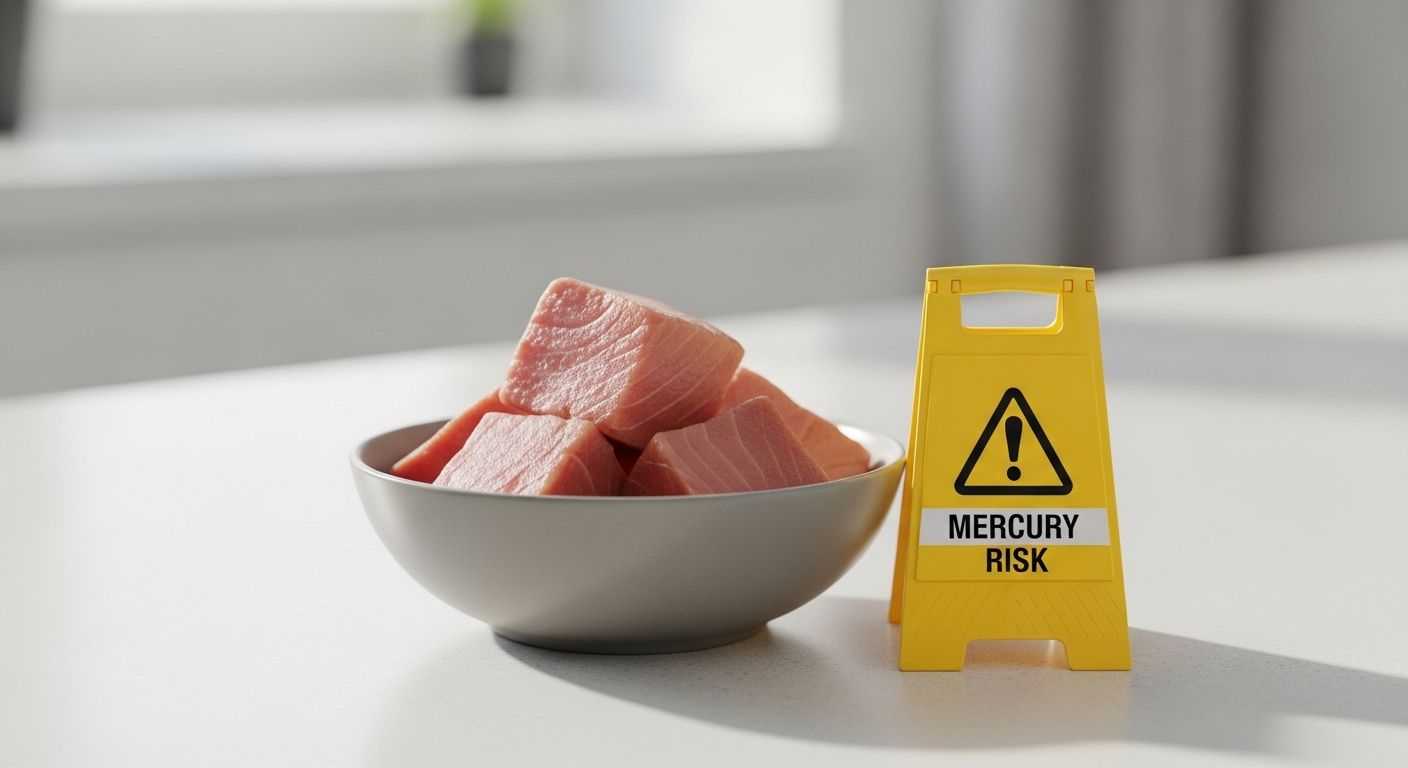
The short answer is: yes, but with major caveats. While a tiny amount of tuna on rare occasions is unlikely to harm most dogs, it should never become a regular staple. The primary concern that veterinarians highlight is the high mercury content found in large predatory fish.
Mercury is a heavy metal that accumulates in a dog's body over time, potentially leading to serious health issues. Because tuna concentrate mercury in their tissues, moderation is a necessity. For a safer daily diet, consider checking out the healthiest dog food in 2025 options that prioritize balanced nutrition without the heavy metal risks.
Safe Serving Tips
A small, infrequent taste can be an acceptable treat. However, it’s crucial to follow strict guidelines to minimize risk:
- Choose the Right Kind: Opt for canned light tuna (often skipjack) packed in water. It generally has lower mercury levels than albacore or bigeye tuna.
- Prepare It Properly: Always drain and rinse canned tuna to wash away excess sodium. Serve it plain and cooked, with absolutely no seasonings.
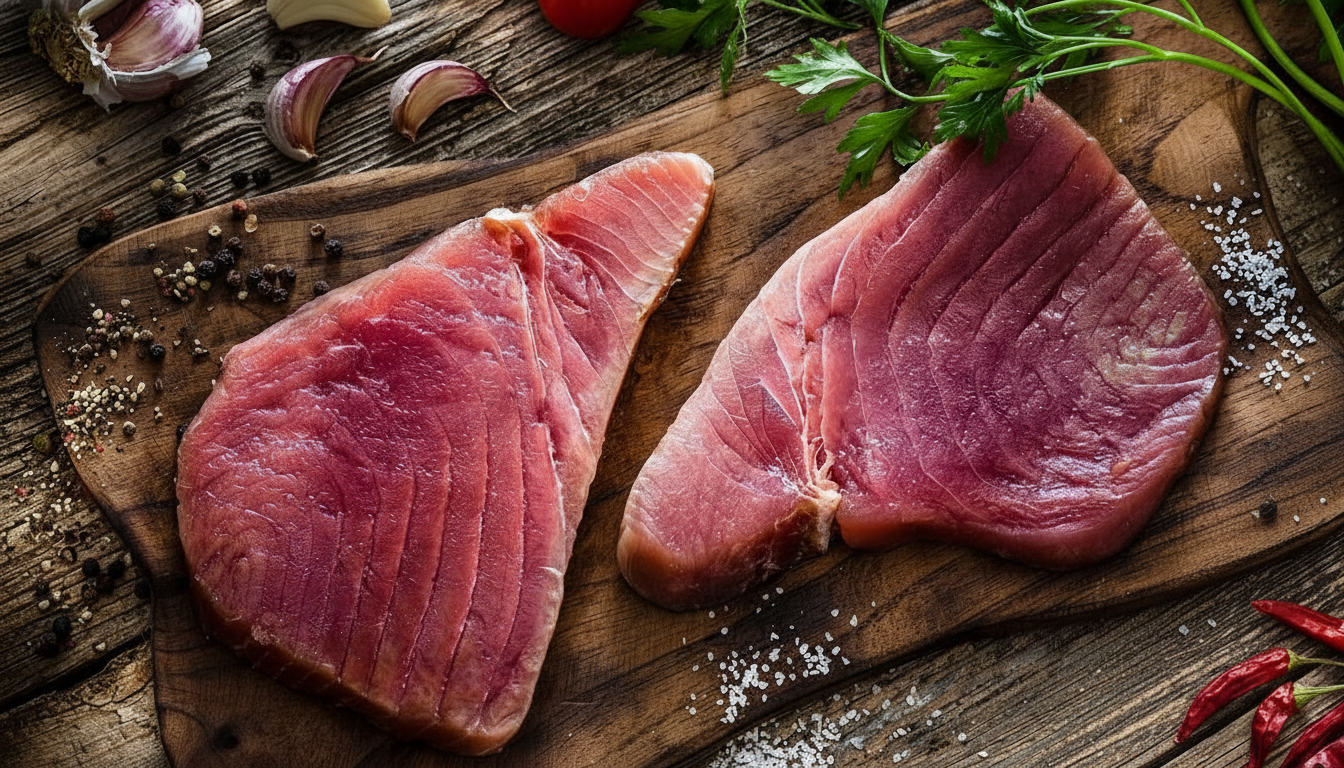
- Never Serve Raw: Raw seafood can harbor harmful bacteria. If you use fresh tuna, cook it thoroughly and remove every single bone.
Veterinary Precautions
Always consult your veterinarian before introducing new foods, especially for puppies or pregnant dogs. You must monitor your dog for signs of an allergic reaction or mercury poisoning. According to the FDA, mercury levels vary significantly by fish species, so vigilance is key.
Watch for these severe symptoms:
- Vomiting or diarrhea
- Hair loss
- Tremors or seizures
- Loss of coordination
- Kidney damage
If your dog consumes a large amount of tuna or shows these signs, you may need to know how to induce vomiting in dogs as a first response while contacting your vet. For a safer, fish-based treat, many experts recommend lower-mercury alternatives like salmon or sardines.
Nutritional Benefits
Despite the risks, tuna contains valuable nutrients that support health when offered in strict moderation.
Lean Protein Source
Tuna is an excellent source of high-quality lean protein, essential for repairing tissues and maintaining muscle mass. Amino acids serve as the building blocks for a healthy body, supporting everything from a strong immune system to high energy levels.
Omega-3 Benefits
One of the main perks of tuna fish in dog food is the concentration of omega-3 fatty acids (EPA and DHA). These fats are famous for their anti-inflammatory properties:
- Skin and Coat: Omega-3s reduce dryness and promote a shiny coat. If your dog struggles with skin issues, you might also explore foods for dogs with itchy skin.
- Joint Support: Anti-inflammatory effects help soothe joint discomfort, vital for seniors.
- Cognitive Function: DHA is critical for brain and eye development.
Essential Vitamins
Tuna provides essential vitamins and minerals like B12, niacin, and selenium. These contribute to energy metabolism and immune health.
Note: While beneficial, these nutrients are also found in safer fish. For example, salmon oil for dogs provides these Omega-3s without the high mercury risk.
Health Risks

Before adding tuna to your dog's treat rotation, you must understand the potential dangers. The risks extend beyond mercury to include sodium levels and fat content.
Mercury Toxicity
This is the most significant risk. Mercury toxicity causes neurological damage. Puppies and small breeds are particularly vulnerable. Regular consumption can lead to a dangerous heavy metal buildup.
Sodium Dangers
Canned tuna is often packed with salt. A high-sodium diet can lead to dehydration and, in severe cases, salt toxicity. Always rinse the fish thoroughly to remove excess salt.
Allergic Reactions
Fish is a known allergen. If your dog has a sensitive system, introduce tuna slowly. Watch for itching, hives, or swelling. If your dog frequently has digestive issues, consider switching to the best dog food for sensitive stomachs.
Digestive Issues
Rich foods can upset a dog's stomach. Tuna prepared with oil or spices is a common culprit for dog diarrhea. Stick to plain, water-packed varieties to avoid gastrointestinal distress.
Pancreatitis Risks
High-fat foods can trigger pancreatitis, a painful inflammation of the pancreas. Tuna packed in oil is too fatty for many dogs. Avoiding excess fat is crucial for long-term health.
Bone Hazards
Meticulously remove all bones from fresh tuna. Sharp bones are choking hazards and can perforate the digestive tract. Canned tuna is generally safer in this regard, but always double-check.
Dosage Guidelines
When serving tuna fish in dog food, less is always more. It should be a rare treat, not a meal replacement.
Adult Portion Sizes
Veterinary recommendations vary, but moderation is universal:
- Small Dogs (<20 lbs): One teaspoon, 1-2 times a month.
- Medium Dogs (20-50 lbs): One tablespoon, 1-2 times a month.
- Large Dogs (>50 lbs): A tablespoon or two, served infrequently.
Puppy Safety
It is best to avoid giving tuna to puppies. Their developing bodies are highly susceptible to mercury. Focus on a balanced puppy food diet instead to ensure they grow up healthy and strong.
Preparation Rules
Follow these safety rules every time:
- Cooked and plain.
- Packed in water (no salt).
- No oils or spices.
- Bone-free.
Water vs. Oil
When buying canned tuna, the choice is non-negotiable: Always choose tuna packed in water.
Oil-packed tuna is loaded with unnecessary fat and calories. This increases the risk of digestive upset and pancreatitis. To prepare it:
- Select: Chunk light tuna in water (no salt added).
- Drain: Press the lid to remove water.
- Rinse: Use a sieve to wash away sodium.
- Check: Ensure no added flavorings like lemon or herbs.
Commercial Food Options
You can find commercial tuna fish in dog food formulas, often blended with salmon. While these are balanced, moderation is still wise.
Reading Food Labels
Understanding the label is crucial for safety:
- AAFCO Statement: Confirms the food is “complete and balanced.”
- Guaranteed Analysis: Shows protein, fat, and fiber percentages.
- Ingredient List: Look for specific protein sources like "tuna" or "salmon" at the top.
Better Fish Choices
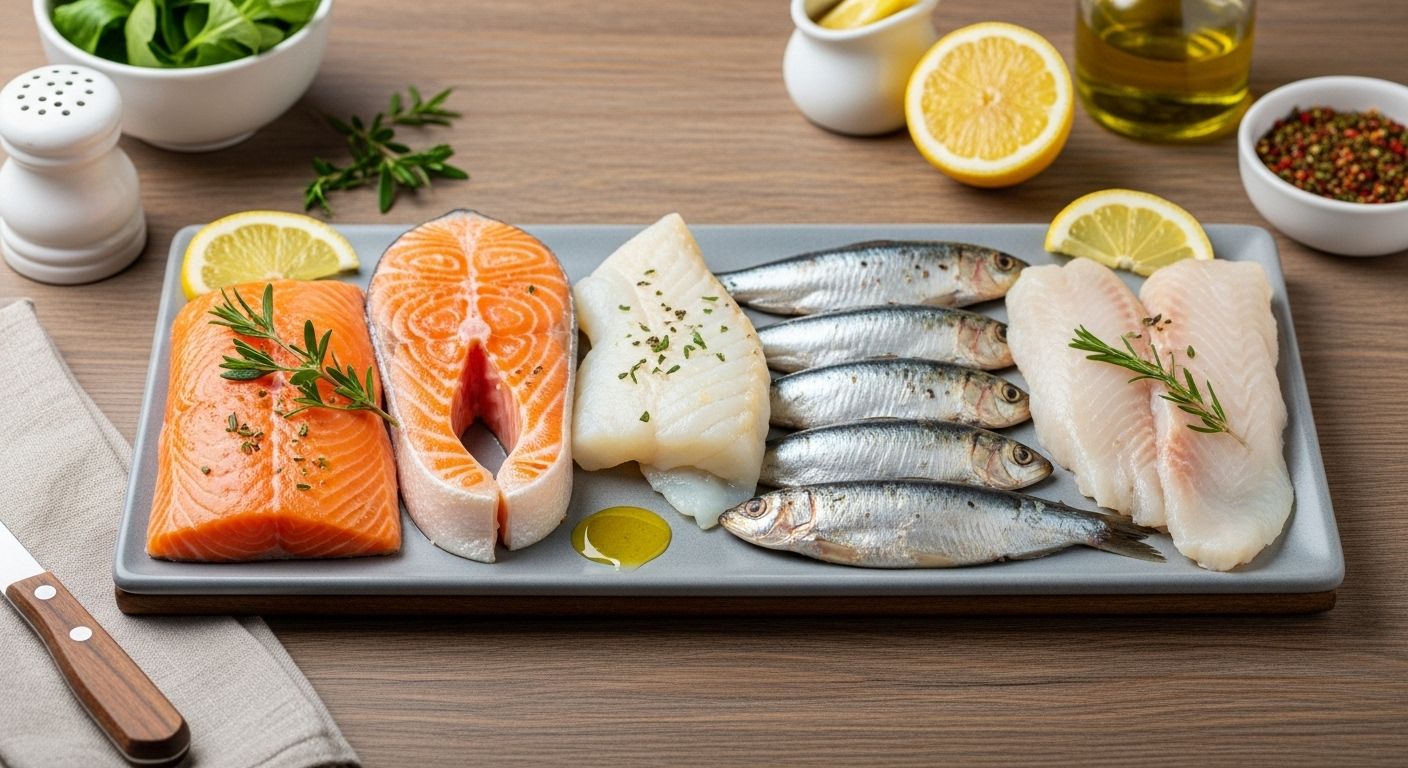
For the benefits of fish without the mercury risks, choose alternatives lower on the food chain:
- Salmon
- Cod
- Whitefish
- Sardines
These options provide excellent Omega-3s and are widely used in top-tier dog foods.
In conclusion, while dogs can technically eat tuna, extreme caution is required. Always choose light tuna in water, rinse it well, and serve it rarely. For a sustainable omega boost, stick to safer fish like salmon. Your dog's long-term health depends on making informed, safe dietary choices.