Seeing your pet scratch incessantly is heartbreaking. When parasites strike, a reliable flea and tick shampoo for dogs provides immediate relief and protects your home from infestation. While spot-on treatments work over time, a medicated bath kills pests on contact, offering a crucial line of defense for your furry friend.
This guide covers everything from selecting safe ingredients to mastering the bathing process. Whether you need a gentle flea and tick shampoo for puppies or a strong formula for an active adult, we help you banish bugs and restore your dog’s comfort.
Importance of Treatment
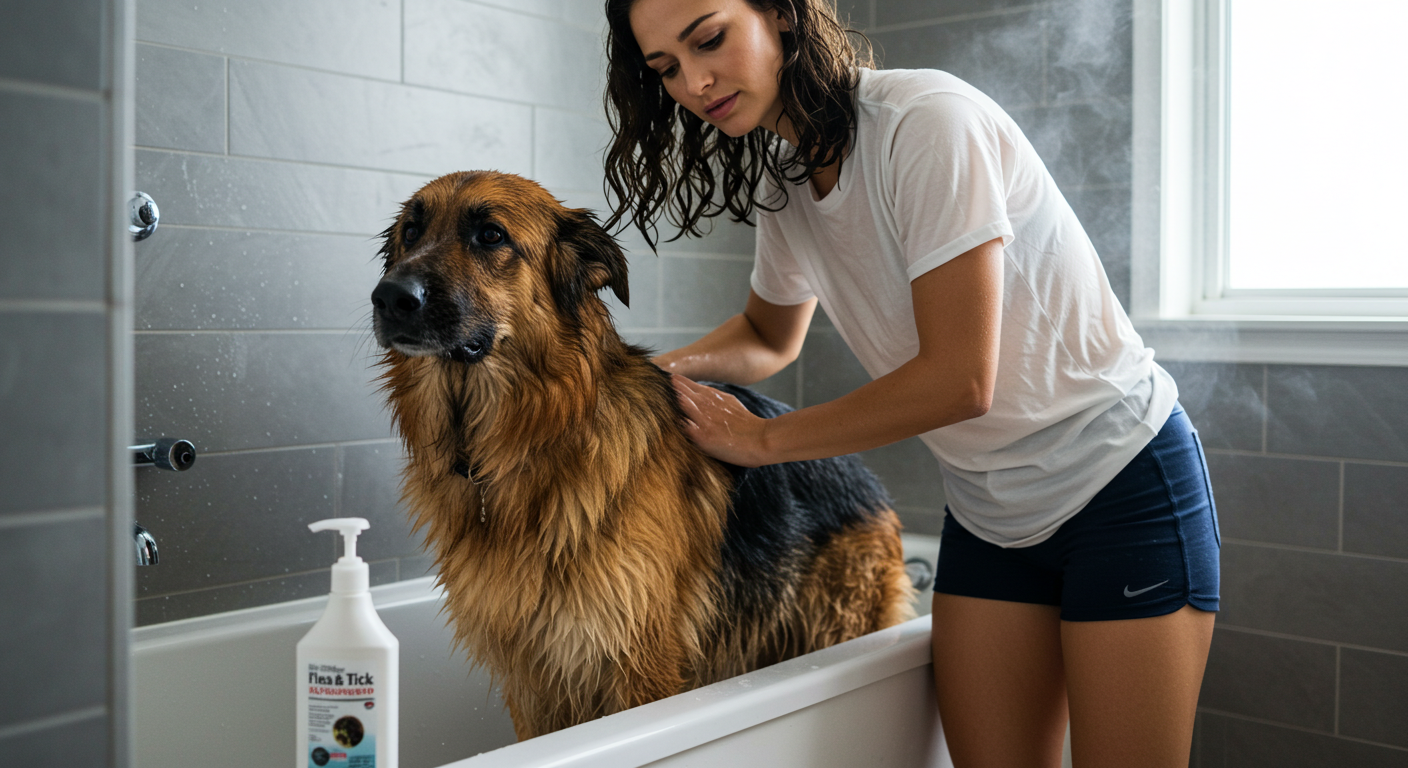
Fleas and ticks aren’t just annoying; they can wreck a dog’s health. Fleas pass along tapeworms, spark allergic dermatitis, and lay up to fifty eggs a day, yikes! Ticks? They tag along with Lyme disease, ehrlichiosis, and Rocky Mountain spotted fever. If your buddy plays outside, visits dog parks, or shares space with other pets, he’s an easy target. Left unchecked, an infestation can snowball in weeks.
Many owners reach for spot-ons or chewables first, but there are moments when nothing beats a thorough dog flea bath. Shampoos touch every inch of fur, stripping off “flea dirt,” calming cranky skin, and knocking down live pests on contact. Tick collars or sprays may miss hidden areas; a sudsy soak doesn’t.
Because shampoo works fast yet fades quickly, the bath is best used as one spoke in a larger prevention wheel: year-round meds, vacuuming, and managing shedding will keep the itch away for good.
Selecting the Best Product
Step into any pet aisle and you’ll see shelves of promises, everything from natural flea shampoo for dogs to formulas that brag about month-long power or a tropical scent. Feeling overwhelmed? Let’s narrow the field with a few easy checkpoints.
Active Ingredients
Chemical warriors do the heavy lifting in most dog shampoo for fleas products. Pyrethrins (plant-based) and the synthetic permethrin fry an insect’s nervous system, while growth regulators such as (S)-methoprene or pyriproxyfen freeze eggs in their tracks. That’s why classics like adams flea and tick shampoo knock out infestations so well.
Prefer plant power? Essential-oil formulas, think peppermint, cedar, lemongrass, make brands like vet's best flea and tick shampoo a big hit with natural-leaning families. They smell amazing but protect for a shorter window, so plan to re-apply sooner. Always check the EPA guidelines for safe pesticide use.
Dog Specific Needs
Age, weight, and health all matter. Most labels ban use on pups younger than twelve weeks, though a handful are specially crafted as flea and tick shampoo for puppies. Senior dogs, pregnant mamas, or pets on other meds often need milder blends, when in doubt, call your vet.
Coat type counts, too. Thick double coats love foaming shampoos that burrow down to skin, while sleek breeds manage with lighter gels. Dogs battling dermatitis may enjoy oatmeal, aloe, or coconut mixed in for a smooth finish.
Pet Safety
Share your couch with cats? Pause before you suds up. Tick shampoo for dogs containing permethrin can be lethal to felines, and cats can absorb residue just by snuggling a damp dog. Store bottles high and keep fresh bathers apart until bone-dry.
Evaluating Reviews
Click-bait claims of “best flea shampoo for dogs” can be sketchy. Some lists judge only on price or fragrance. Hunt for reviewer photos, before-and-after tales, and proof that bugs stayed gone at least a week. Bonus points for vets weighing in.
Essential Supplies
Nothing stretches bath time like sprinting for a missing towel mid-soak. Grab everything first:
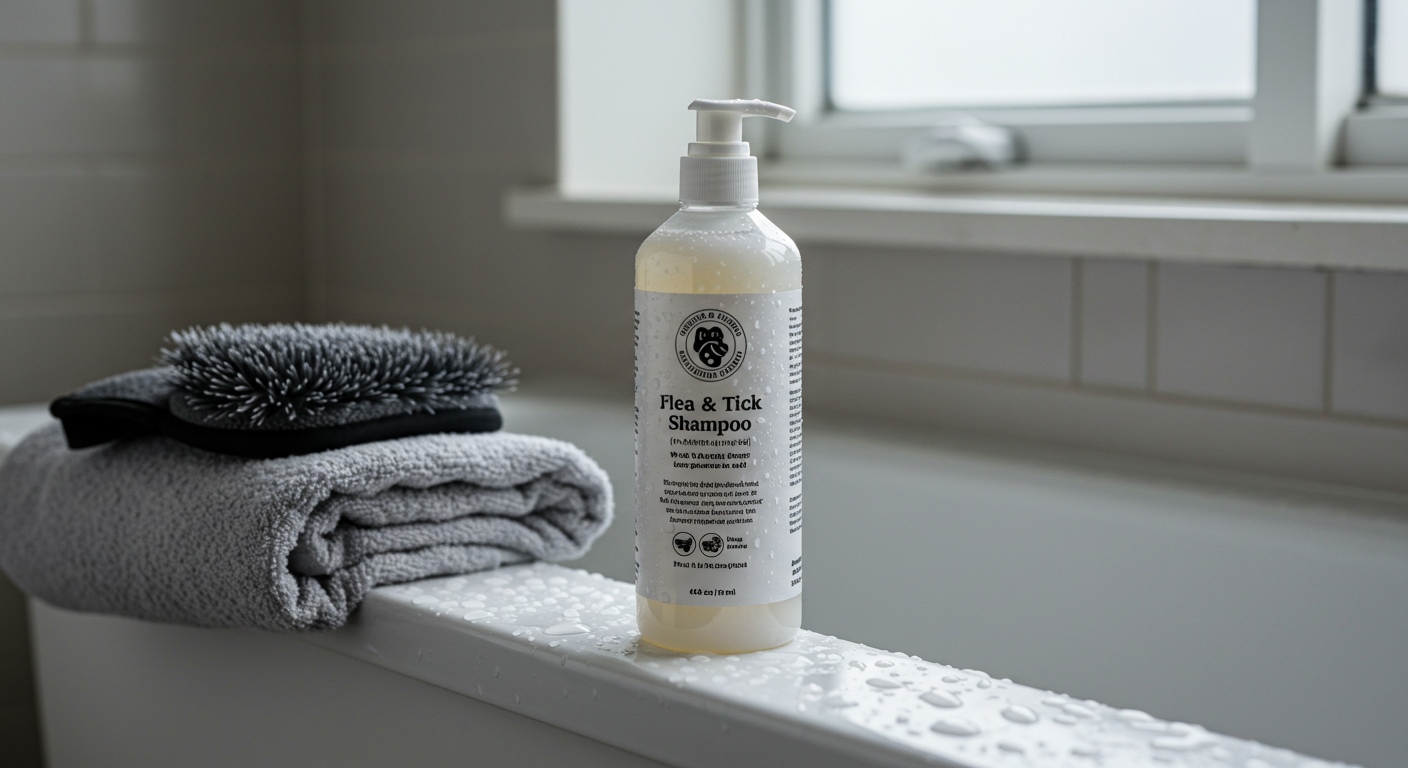
- Flea and tick shampoo of choice – check the date, give it a shake.
- Rubber gloves – protect your skin.
- Wide-tooth comb – loosens flea dirt and finds sneaky ticks.
- Plastic pitcher or sprayer – gentler than a blast hose.
- Absorbent towels – two or three for thick coats.
- Cotton balls – pop into ears to block water.
- Timer – respect that contact time.
- Treats – because good dogs deserve snacks like frozen dog treats.
A summer backyard works great; a warm bathroom does the trick in winter. Drop a non-slip mat in the tub to avoid cartoon-style wipeouts.
Bathing Process
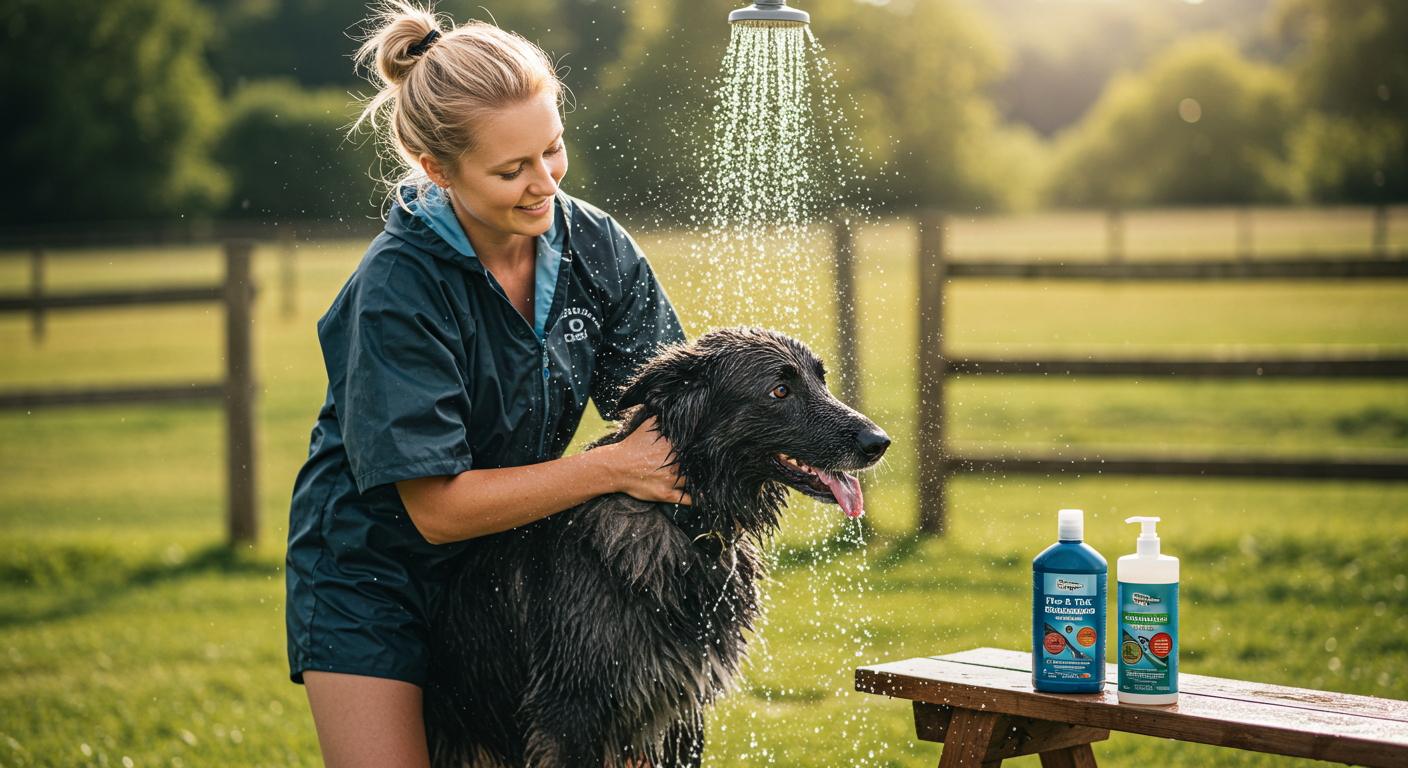
Ready to get wet? Follow these steps for a safe, effective tick wash for dogs that leaves everyone smiling.
1. Pre-Bath Inspection
Run fingers through the fur, hunting common hideouts, groin, armpits, tail base. It is also a good time to check for other skin issues, such as canine moles. Spot a bloated tick? Remove it with a proper tick tool before water hits the coat. Test your water; lukewarm is pup-perfect.
2. Wet the Coat
Start at the neck and glide down. Don’t soak the head yet, most dogs vote “no” on immediate face splash.
3. Create a Foam Barrier
Lather a soapy ring around the neck first. This slippery wall stops fleas from sprinting toward those tender eyes and ears.
4. Scrub Thoroughly
Massage shampoo over shoulders, back, belly, legs, tail, everywhere. For long fur, part and scrub to the skin. Many bottles guide one tablespoon per seven pounds; follow that cue.
5. Monitor Contact Time
Three minutes? Ten? Whatever the label says, set a timer. While you wait, gently suds the muzzle with a washcloth, steering clear of eyes and nose.
6. Rinse Completely
Lingering suds can irritate skin and grab dirt. Rinse head to tail, lifting thick fur for hidden soap. Still foamy? Rinse again.
7. Dry and Comb
Pat, don’t rub, with towels. While fur’s still tacky-damp, run a flea comb to snag stragglers and gauge success. You may want to follow up with a grooming rake once dry to remove dead hair. Finish with praise and a crunchy treat.
A proper dog flea bath isn’t finished until shampoo is gone and the coat is dry. Damp fur invites mold, hot spots, and brand-new fleas.
Prevention Strategies
One bath zaps live pests but won’t guard tomorrow’s hike. Layer extra defenses to keep bugs from coming back.
- Treat the environment. Vacuum carpets, wash bedding on hot, and spray shady yard spots. Flea pupae hiding in cracks can hatch weeks later. Learn how to cover mud in your yard to reduce environments where pests thrive.
- Start a monthly preventive. Oral chewables or spot-ons block newcomers longer than shampoo alone.
- Brush weekly. Regular combing catches freeloaders early and spreads natural oils for a glossy coat.
- Monitor skin. If redness lingers, rotate with a gentle oatmeal dog shampoo for fleas between medicated baths.
- Re-bathe wisely. Most labels allow a repeat bath in seven to ten days for severe cases. Over-bathing strips oils and may spark dandruff.
Heading out on vacation? Pack a travel-size bottle of the best flea and tick shampoo and a collapsible basin. Cabins and camper vans can harbor dormant pests eager for a ride.
Safety and Veterinary Advice
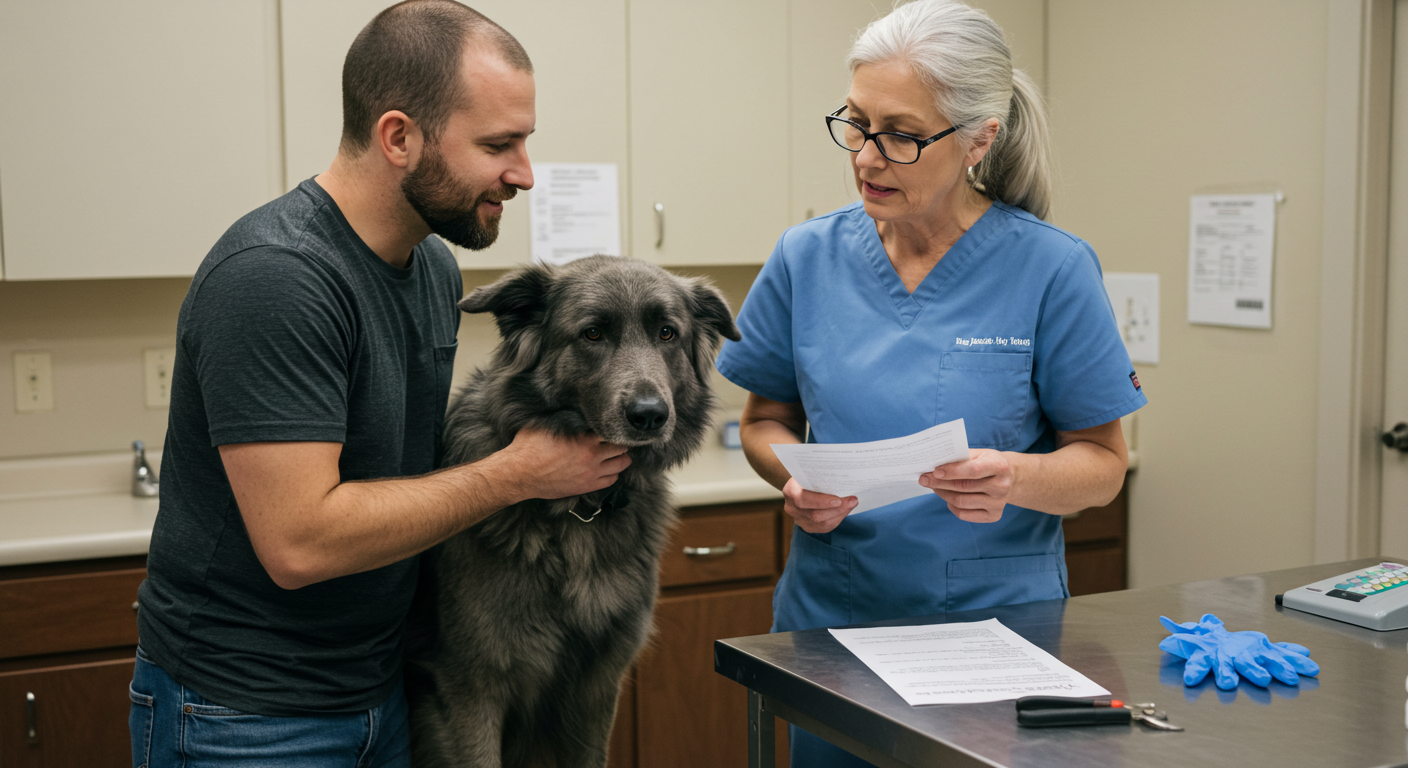
Remember, chemical shampoos are medicines. Treat them with respect:
- Follow age limits. Only use flea and tick shampoo for puppies if the label screams “SAFE!” Tiny immune systems deserve caution.
- Store correctly. Extreme heat or cold can wreck active ingredients.
- Watch for side effects. Drooling, tremors, or red rashes spell trouble. Rinse with mild soap and phone the vet immediately.
- Never stack treatments. Doubling up with sprays or collars on the same day can overdose your dog.
- Protect yourself. Gloves keep insecticides off human skin, and skip contact lenses while splashing.
Call your veterinarian if your pup shows symptoms like unexplained diarrhea, pale gums, or listlessness, which can be signs of flea anemia. Refer to the AVMA resources for more on parasite diseases.
Chronic battles may need prescription tablets or a skin workup to rule out hidden allergies.
Conclusion
A well-timed bath with flea and tick shampoo for dogs can turn a scratchy, restless pup into a calm, tail-wagging companion in under an hour. By choosing the right formula, prepping supplies, and following these proven steps, you’ll evict pests fast while protecting sensitive skin. Pair your hard-won bath skills with a tidy home, treated yard, and year-round preventives, and both you and your dog can roam the great outdoors without hosting unwanted hitchhikers.