Bringing a new pet home is exciting, but for GSD owners, one question looms large: are German Shepherds good with cats? While the image of a stoic police dog might seem at odds with a delicate house cat, these two species can often form surprising bonds. It all comes down to temperament, training, and proper introductions.
If you are thinking about introducing a feline to your pack, understanding the dynamics is crucial. Pets can become best friends or bitter rivals depending on how you manage their environment. This guide covers the essentials of German Shepherd personality, managing prey drive, and the step-by-step process for safe introductions.
Whether you have a newborn German Shepherd puppy curious about the world or an older dog set in their ways, this guide is your roadmap. Let’s explore whether your GSD will be a feline’s best friend or if you need to take extra precautions.
German Shepherd Personality
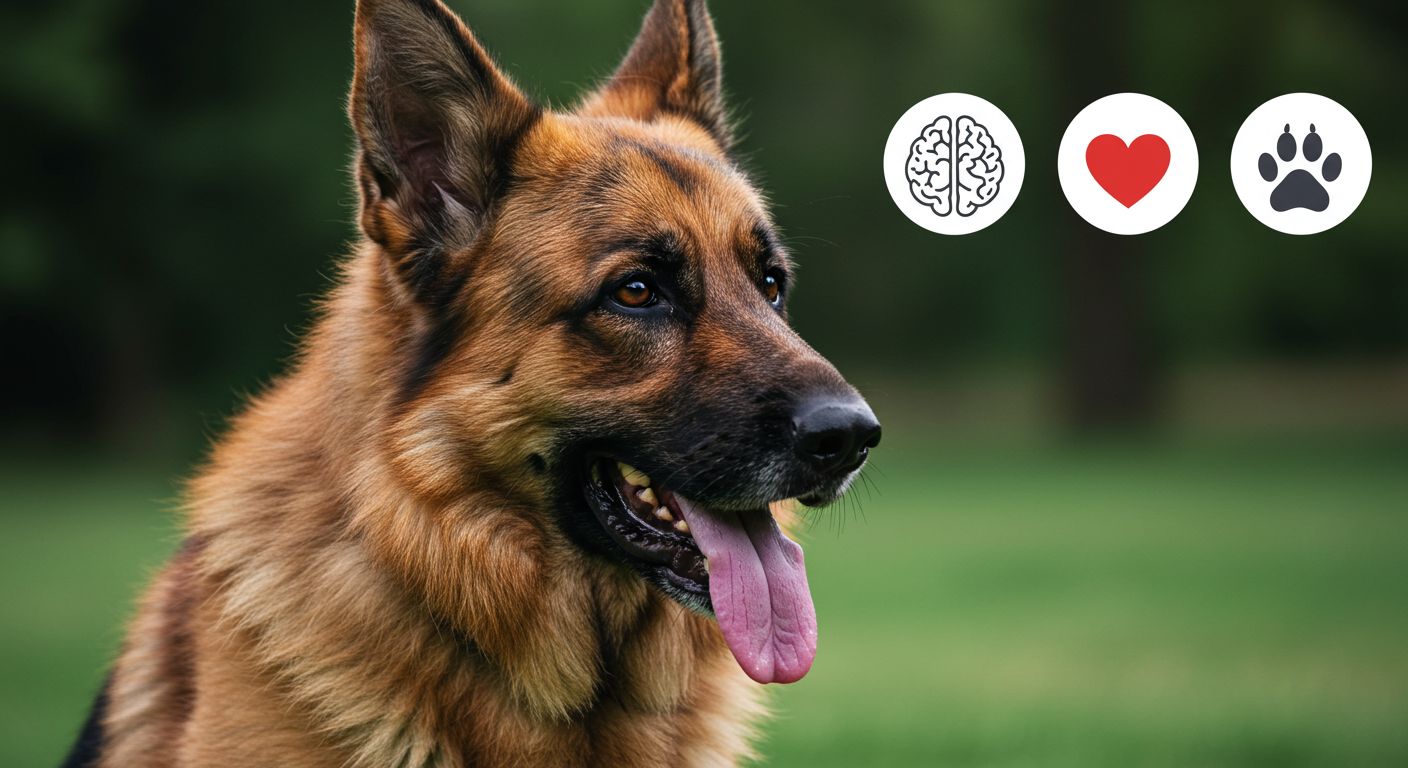
Before answering "are German Shepherds good with cats?", we must look at the breed's core traits. Understanding German Shepherd personality is like vetting a new roommate; you need to know if they are quiet and respectful or loud and boisterous.
German Shepherds are renowned for being bold, loyal, and incredibly sharp. They excel in police and service work because they are wired to learn commands and perform tasks. If you are asking, "are German Shepherds intelligent?", the answer is a resounding yes. According to the American Kennel Club, they are among the smartest and most trainable breeds, which is a massive advantage when teaching them to respect a cat.
However, shepherd personality isn't just about work. They form deep bonds with their owners and are often affectionate and eager to include everyone in their "pack."
- Highly loyal: They guard their home and family.
- Protective: Natural guardians, which requires careful management with new animals.
- Energetic: They need a job to do, or they might make chasing the cat their hobby.
So, are German Shepherds friendly enough for a cat? Generally, yes. Their desire to please allows them to override instincts if they know it makes their owner happy.
Can They Coexist?
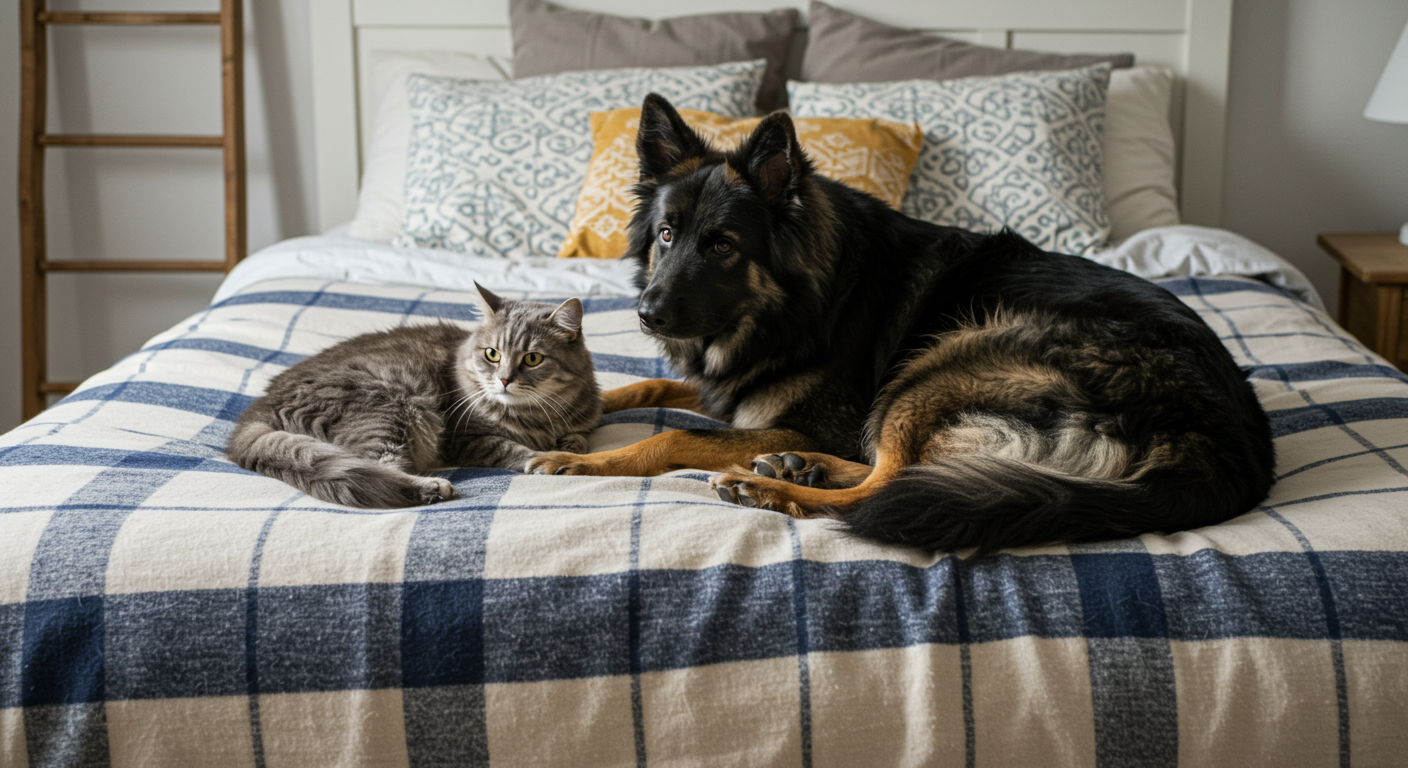
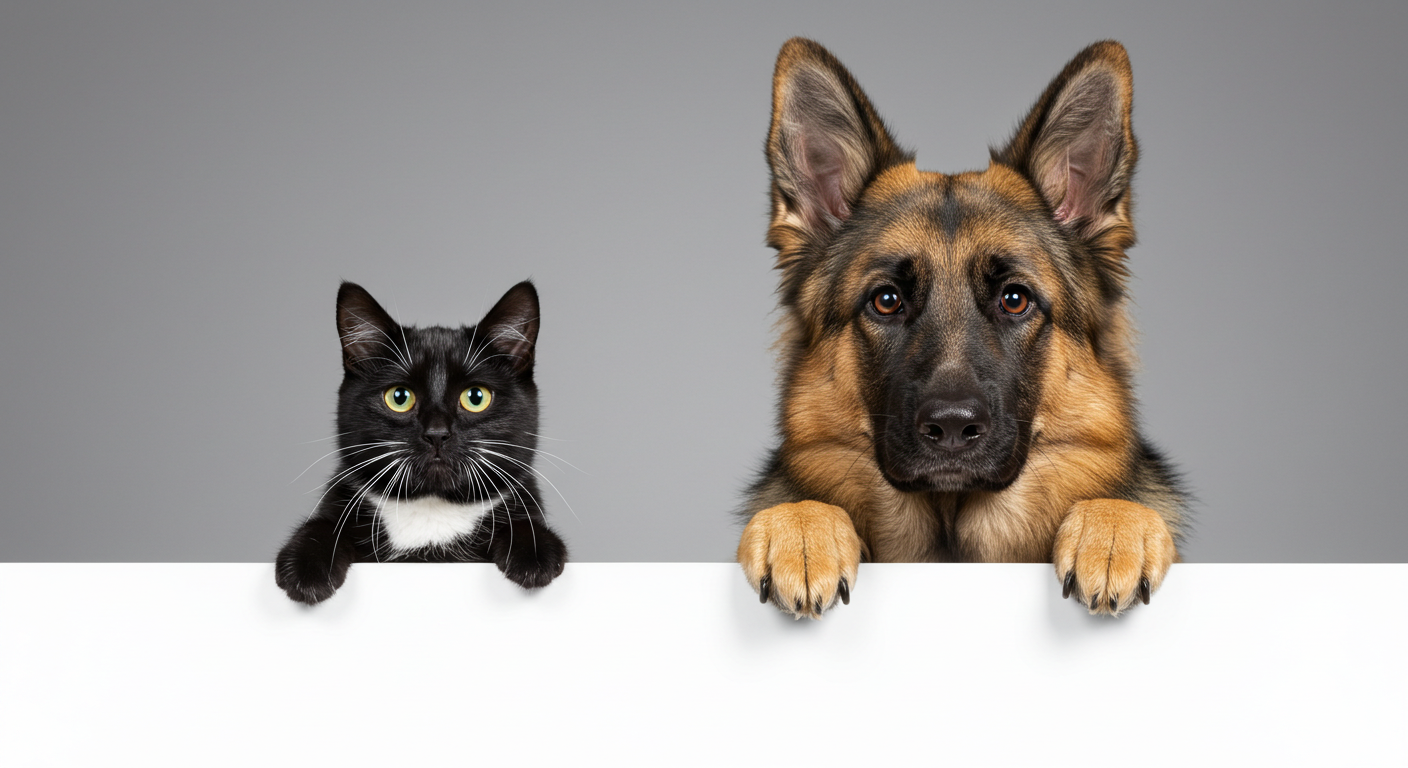
When imagining German Shepherds and cats together, you might picture a cartoonish chase scene. However, with the right foundation, these two can be the "purr-fect" roommates. The relationship between a German Shepherd and cats relies heavily on mutual respect and supervision.
Do German Shepherds get along with cats? The short answer is yes, but it rarely happens overnight. GSDs are confident and sometimes intense, while cats are independent and territorial. Surprisingly, these differences can balance each other out. A calm, confident dog can actually make a skittish cat feel safer, provided boundaries are established.
If you are introducing a GSD and cats, keep these dynamics in mind:
- Early Bonds: Puppies raised with cats often view them as siblings.
- Body Language: Watch for stiff posture in your dog or flattened ears on your cat.
- Supervision: Never leave them alone until trust is 100% established.
Understanding the unique dynamic of a cat and German Shepherd household is the first step toward harmony.
Prey Drive Risks
We have to address the elephant (or mouse) in the room: will a German Shepherd kill a cat? While unpleasant to think about, GSDs have a high prey drive. They were bred to herd and protect, which involves chasing moving objects.
This doesn't mean every dog is an aggressive Alsatian waiting to strike. It does mean that German Shepherd and cat interactions require management. A running cat can trigger a predatory drift reflex in even the sweetest dog.
Signs your German Shepherd dog might have a dangerously high prey drive include:
- Intense staring or fixating on the cat.
- Barking or whining when the cat moves.
- Stiffening of the body or lunging.
- Inability to focus on you when the cat is present.
If you see these signs, you must intervene immediately. Are German Shepherd dogs dangerous to cats? They can be if unsocialized or unchecked. However, with consistent correction and redirection, most can learn that the cat is "off-limits."
Introduction Steps
So, are German Shepherds good with cats during the first meeting? Usually not without help. You need a game plan to prevent a "fluff-covered war zone."
Follow this step-by-step guide to introduce your German Shepherd cat duo safely:
- Scent Swapping: Before they meet, swap their bedding. This lets them get used to each other's scent without visual triggers.
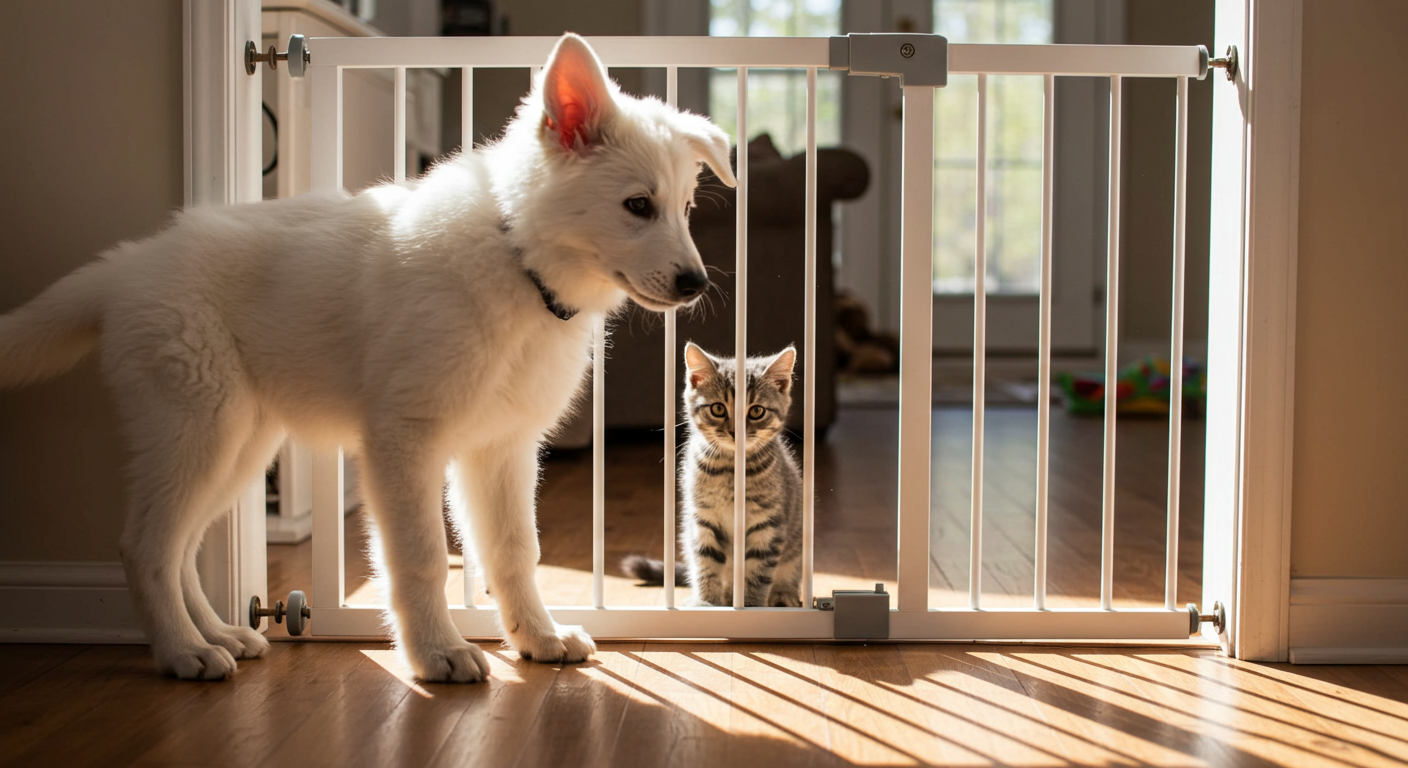
- The Safe Peep: Use a baby gate. Let them see each other from a distance. Look for curiosity, not aggression.
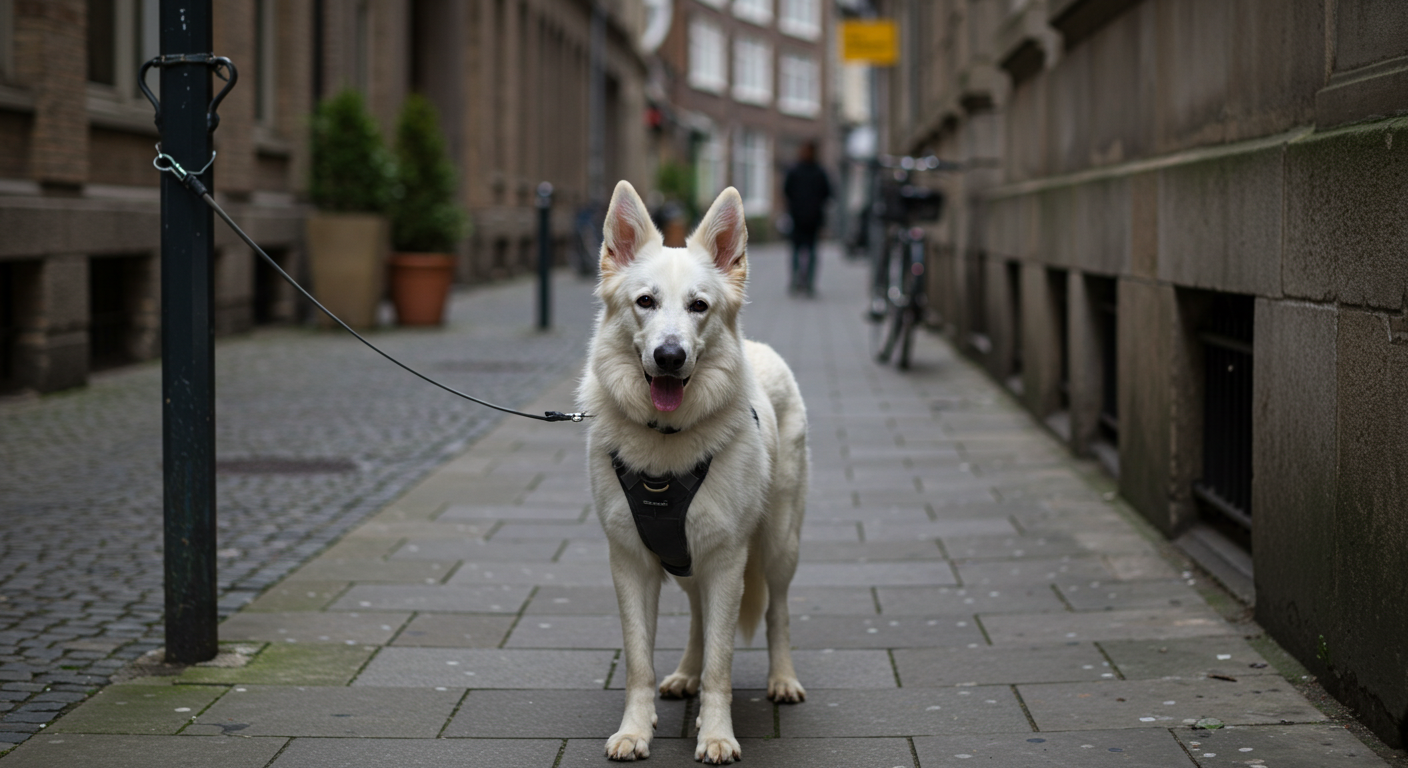
- Leashed Meetings: Keep your GSD on a harness and leash. This gives you physical control if they get too excited.
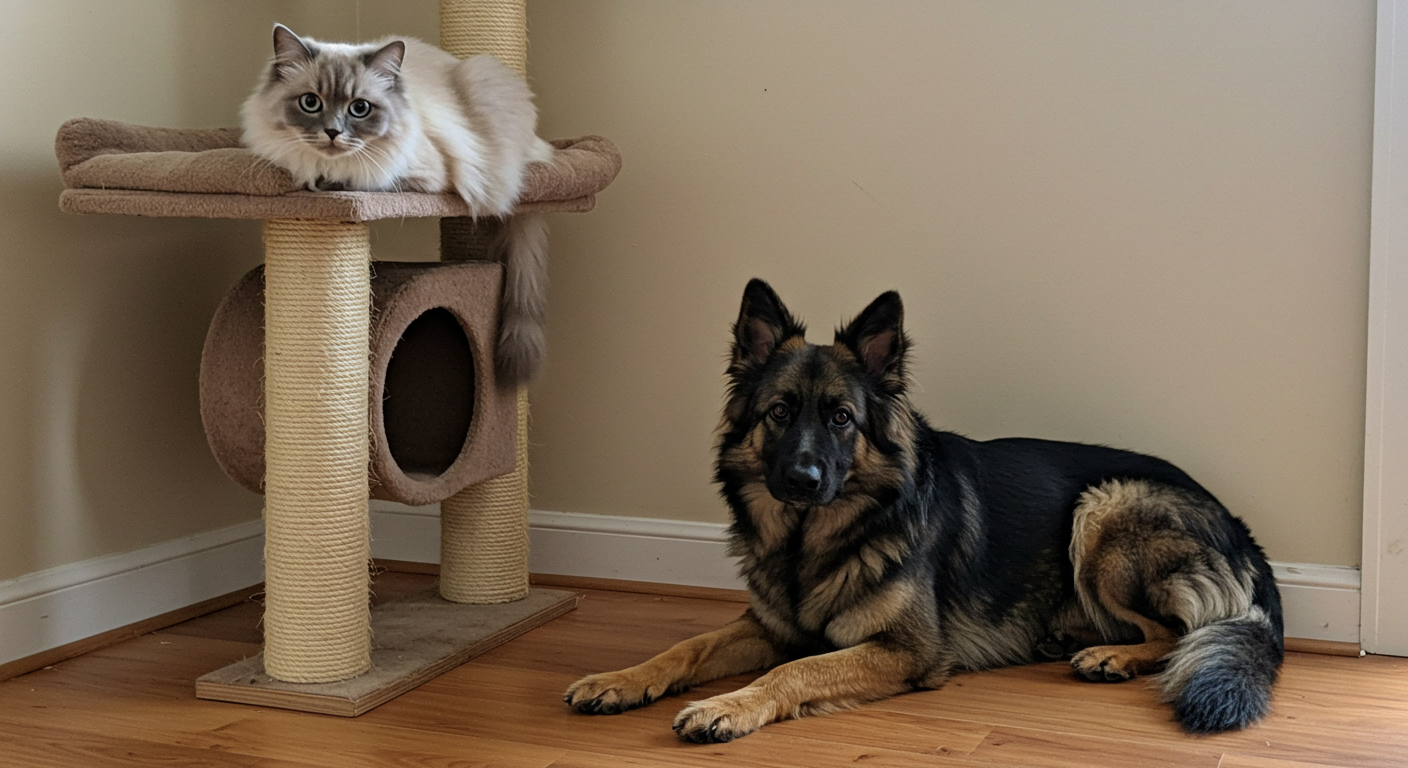
- Escape Routes: Ensure your cat has high perches or "dog-free" zones to retreat to. According to PAWS, giving a cat vertical space is essential for their confidence.
- Positive Association: Feed them near the closed door or gate (on opposite sides). They will learn that the other animal's presence predicts food.
- Calm Environment: Create a calm environment and avoid loud noises during intros.
Training and Socialization
If you want to know are German Shepherds good dogs for multi-pet homes, the answer lies in training. Are German Shepherds good with cats naturally? Sometimes. But with socialization, they almost always improve.
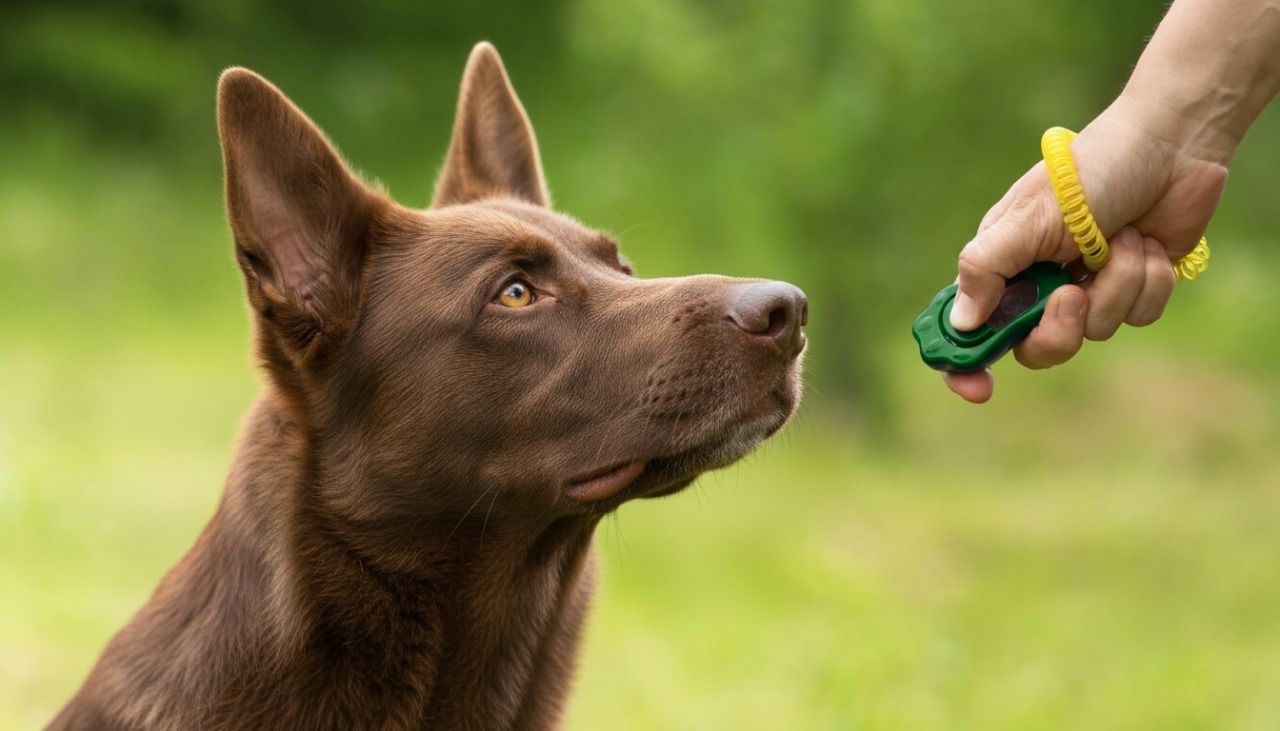
Because German Shepherds are intelligent, they respond well to structure. Clicker training is particularly effective for marking calm behavior around cats.
- Start Early: Socializing a puppy is easier than retraining an adult.
- The "Leave It" Command: This is vital. Your dog must know that the cat is not a toy.
- Crate Training: A crate provides a safe space for your dog to decompress and prevents unsupervised roaming.
- Hand Signals: Using hand signals can help communicate silently with your dog, keeping the energy in the room low.
Are German Shepherds friendly? Yes, but they look to you for guidance. If you remain calm and consistent, your dog will learn that the cat is a respected member of the family.
Family Dog Dynamics
Is a German Shepherd a good family dog when you have a zoo of kids and cats? Absolutely. They are one of the most versatile breeds in the world.
When properly integrated, the German Shepherd personality shines as a gentle guardian. They will often extend their protection to the family cat, intervening if an outsider (like a neighborhood stray) comes too close.
- Protective but Balanced: They learn who belongs in the pack.
- Trainable: They can learn complex rules, like which rooms the cat is allowed in.
- Playful: Many GSDs eventually initiate gentle play with cats.
However, safety comes first. Are German Shepherds good with kids and cats simultaneously? Yes, but expert tips suggest active supervision is always required. High-energy play between a dog and kids can accidentally trigger prey drive toward a nearby cat.
For more on creating a safe environment for all pets, resources like American Humane offer excellent safety checklists.
Are German Shepherds good with cats? Yes. With patience, training, and love, your Shepherd and cat can do more than just coexist, they can become the best of friends.