
Introduction
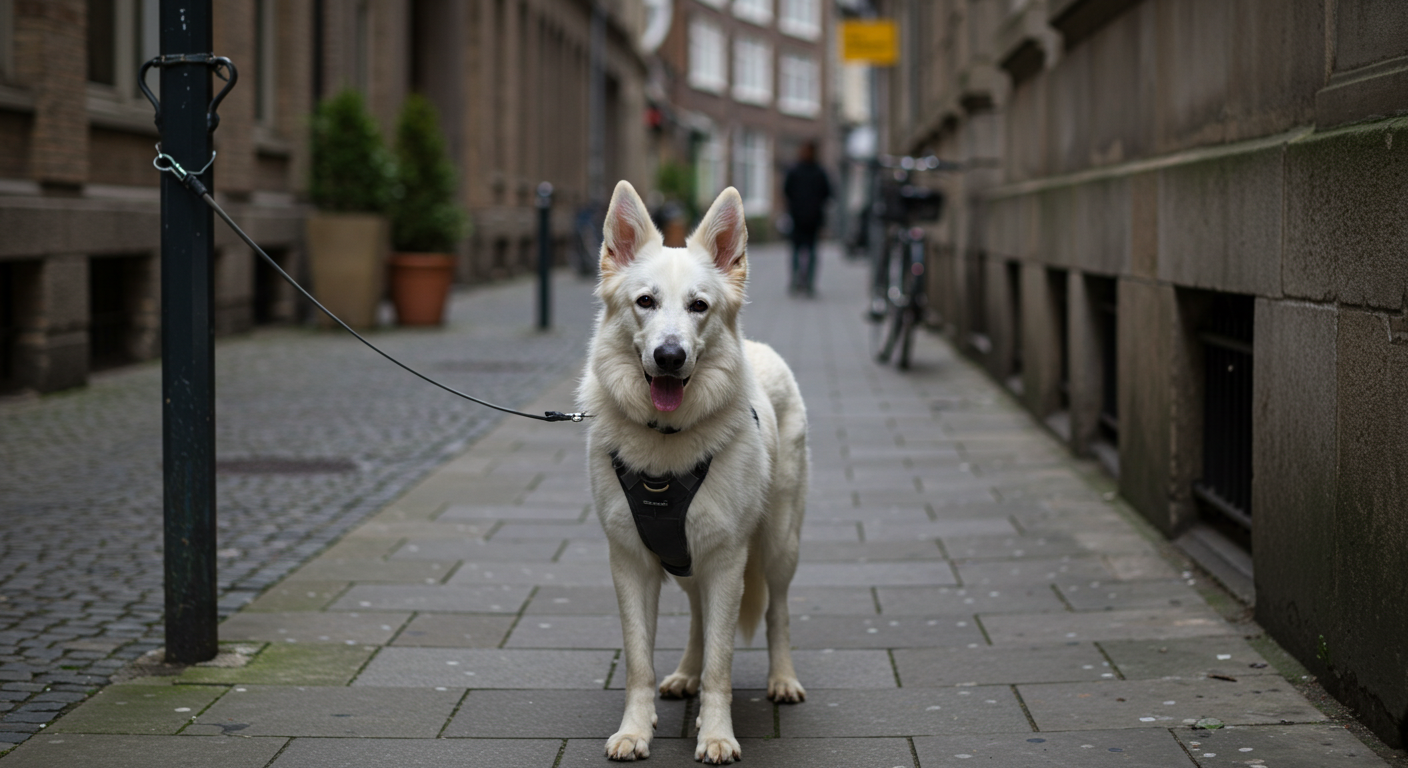
Rex was a barker. He barked at the mailman. He barked at the neighbor's cat. He barked at leaves. One time he barked at his own reflection in the sliding door for 20 minutes straight.
Luna is quieter, but she has her moments. Every time someone walks past our fence, she lets out three deep, chest-rattling barks that make visitors jump. Then she goes back to sleep like nothing happened.
German Shepherds bark more than most breeds. That's not a training failure, it's just german shepherd barking behavior at its core. These dogs were designed to guard livestock and alert shepherds to danger. The barking is built into their DNA.
But "it's natural" doesn't mean you have to live with nonstop noise. If you're wondering why do German Shepherds bark so much, and more importantly how to stop German Shepherd barking, I've spent years figuring it out with two very different barkers.
Do German Shepherds Bark a Lot?
Yes. The American Kennel Club rates them as frequent barkers. In my experience, that's accurate.
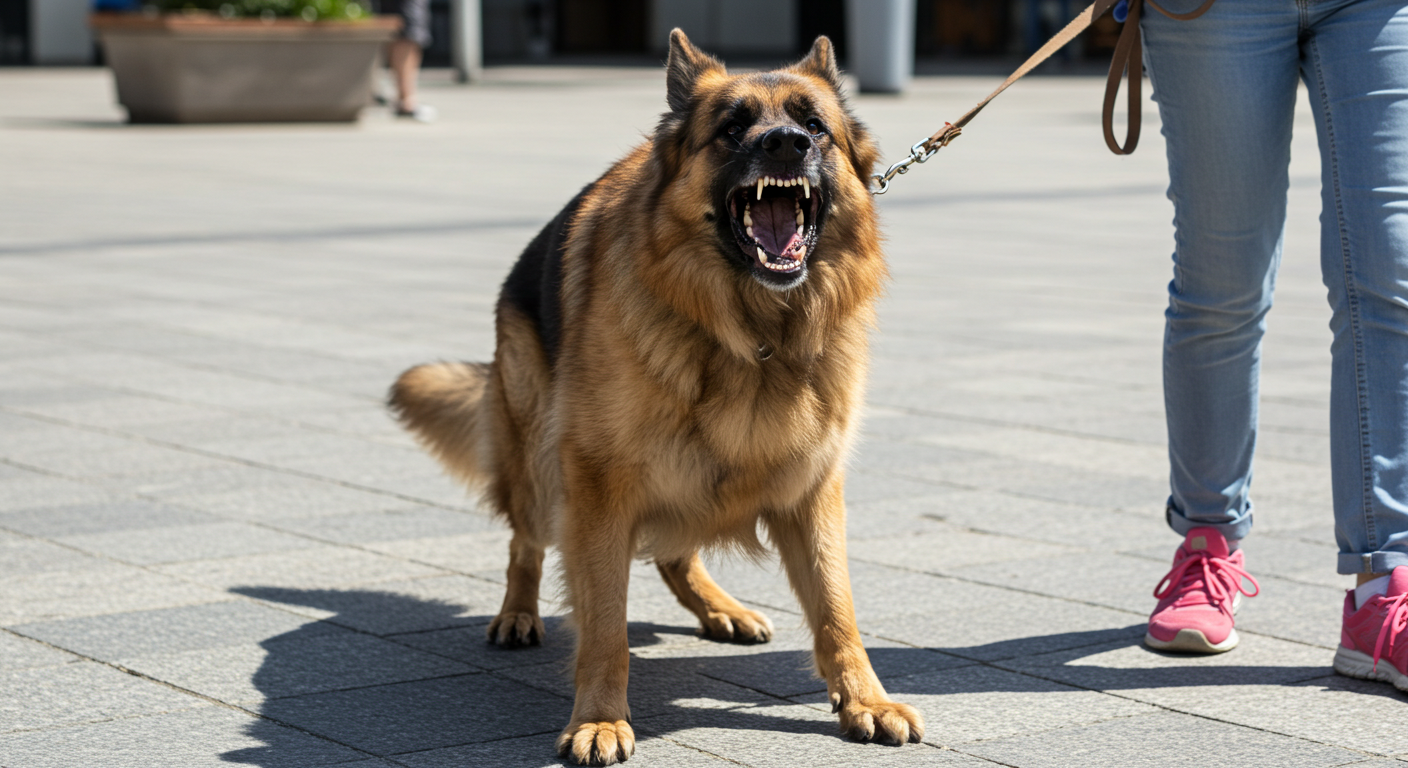
But the amount varies hugely depending on:
- How much exercise they get. A tired GSD is a quieter GSD. On days when Luna skips her morning walk, the barking triples. I've tracked this.
- Their environment. Dogs with window access to a busy street bark more. When we moved Rex's bed away from the front window, his daily barking dropped noticeably.
- Training (or lack of it). Both of mine bark less now than they did as adolescents because I taught them when barking is okay and when it's not.
- Their personality. Some GSDs are naturally quieter. Rex was vocal about everything. Luna only barks with purpose. Same breed, same household, totally different dogs.
Why Your German Shepherd is Barking
Before you can fix the barking, you need to know what's causing it. In my experience, it usually falls into one of these categories:
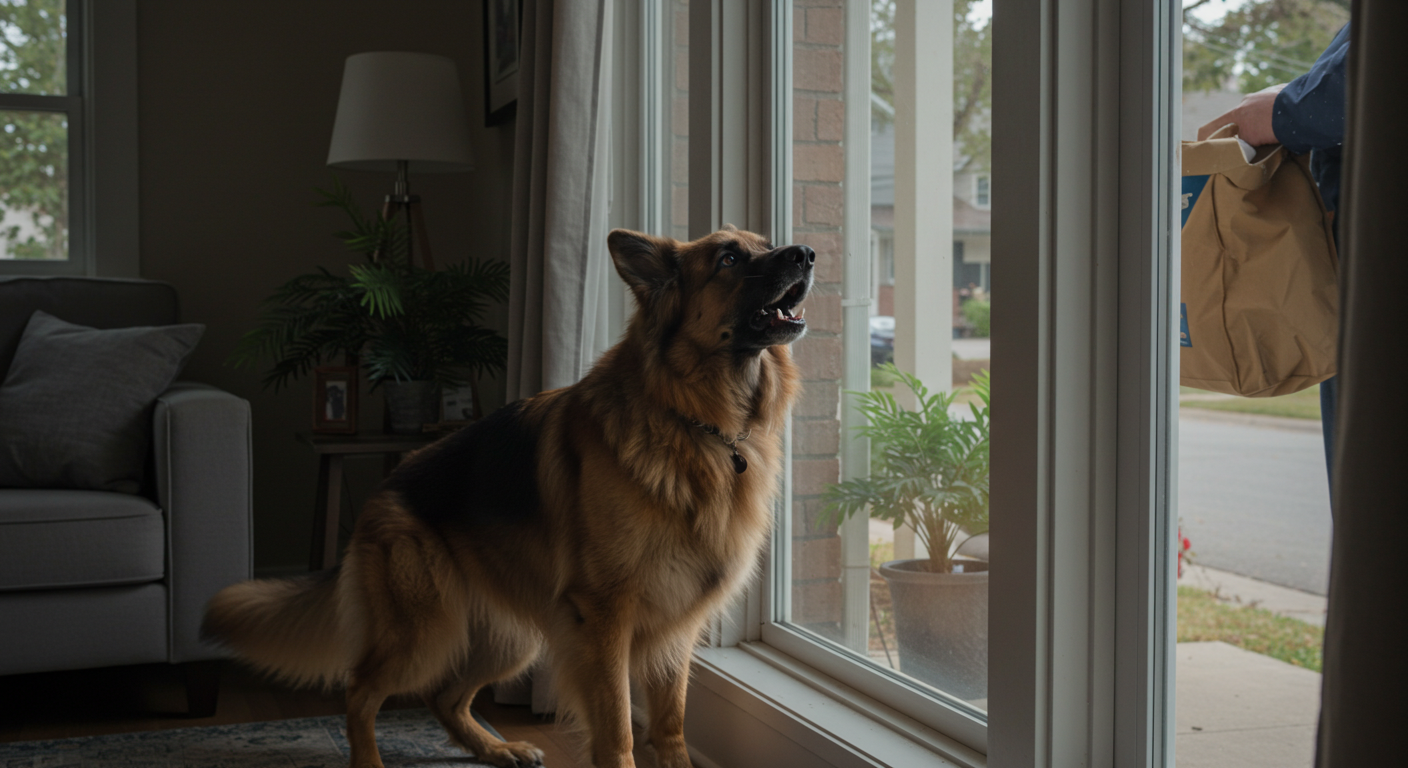
Alert barking ("Something is happening!")
This is the most common type and the one GSDs are famous for. Someone at the door, a car in the driveway, a squirrel in the yard. Your dog is telling you they noticed something.
Rex would do two or three sharp barks, then look at me as if to say "Did you see that?" If I acknowledged it ("I see it, Rex. Thank you."), he'd usually stop. If I ignored him, he'd keep going.
Boredom barking ("I have nothing to do")
GSDs are high-energy, high-intelligence dogs. If they don't have a job, they'll make one up. Usually that job is "bark at everything."
This one sounds different. It's rhythmic, repetitive, and goes on and on. Think of it like a kid kicking the back of your seat on a plane. They're not upset. They're just bored out of their minds.
Anxiety barking ("I'm scared/stressed")
Separation anxiety barking usually happens when you leave the house. You might not even know about it until a neighbor mentions it.
Fear barking happens during thunderstorms, fireworks, or when encountering something unfamiliar. The bark is usually higher-pitched and frantic. Body language tells you everything: ears back, tail tucked, panting between barks.
Attention-seeking barking ("Look at me!")
This is the one that's actually your fault. (Sorry.) If your dog barked and you responded, even to say "be quiet!", they learned that barking gets your attention. And they will do it again. And again.
Luna figured this out at about 6 months old. One bark, eye contact from me, mission accomplished. I had to completely retrain my own reactions before I could retrain her.
Territorial barking ("This is MY yard")
Deep, aggressive-sounding barks directed at people or dogs near the property. Can escalate into resource guarding behavior if not managed early.
What Each Bark Sounds Like
Once you learn to listen, you can tell why your dog is barking without even looking at them.
| Sound | Meaning | Your Response |
|---|---|---|
| Two or three sharp, short barks | Alert: "Something's there!" | Acknowledge, then redirect |
| Low, continuous growling bark | Warning: "Back off" | Don't punish. Assess the situation. |
| High-pitched rapid barking | Excitement: "Yes yes yes!" | Wait for calm, then engage |
| Rhythmic, droning bark | Boredom: "I need something to do" | Exercise or puzzle toy |
| Howling | Responding to sirens, or loneliness | Usually harmless, check for isolation |
| Frantic, nonstop barking | Anxiety or fear | Don't yell. Comfort or remove trigger |
Watch their body language too. Ears forward means alert or confident. Ears pinned back means fear or stress. Wagging tail means excitement. Stiff body means tension.
How I Reduced the Barking
I've tried most of the common advice. Here's what actually made a difference:
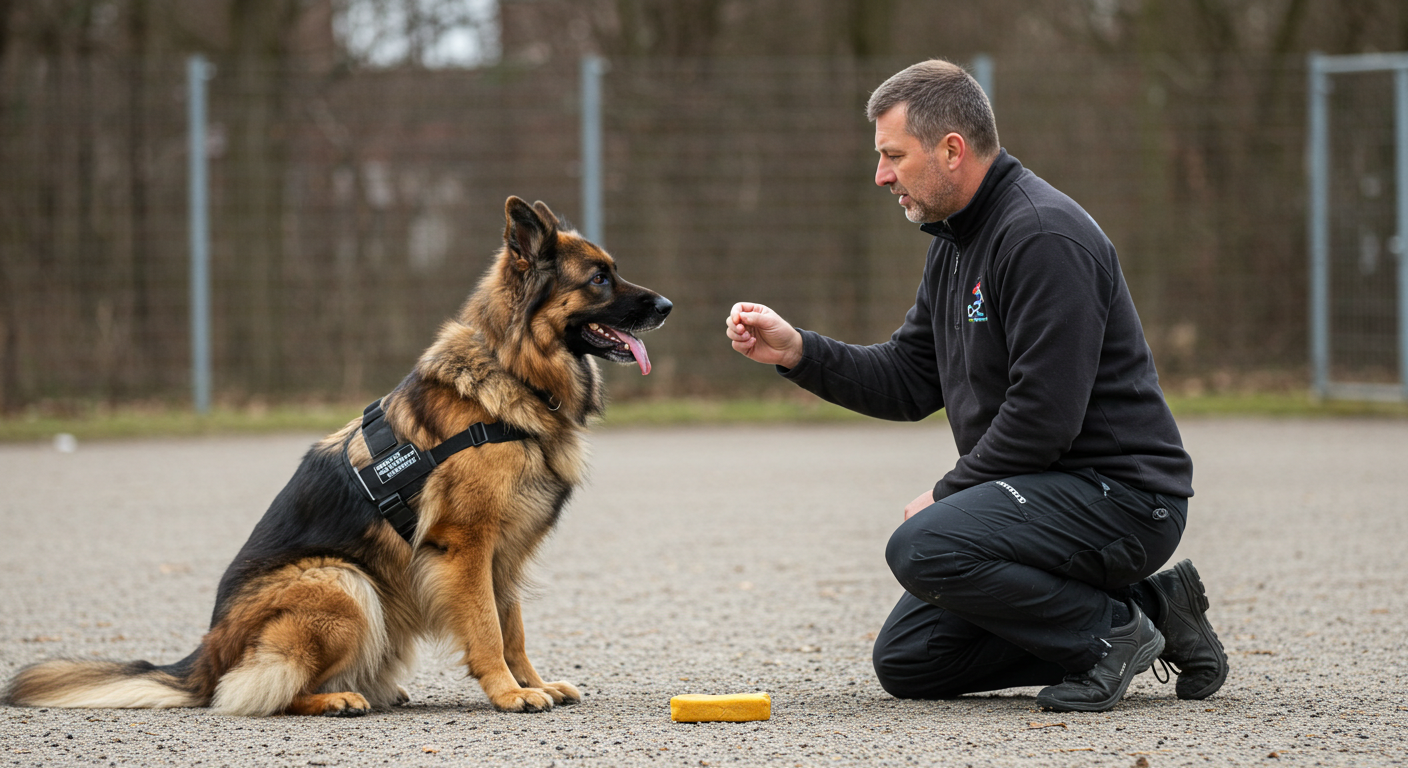
The "Thank You" method (for alert barking)
When Luna barks because someone's at the door, I walk over, look at what she's barking at, and say "Thank you" in a calm voice. Then I redirect her to something else ("go get your toy" or "place").
Why this works: you're acknowledging that she did her job. She alerted you. You heard her. Now she can stand down. If you just yell "quiet!" you're basically arguing with her about whether the threat is real. She'll keep barking because you clearly didn't get the message.
This took about two weeks to become reliable with Luna. Rex never fully got it honestly. Some dogs are more stubborn than others.
Exercise first, quiet second
This is boring advice but it matters more than any training technique. A GSD that gets 60+ minutes of real exercise per day barks significantly less than one that doesn't.
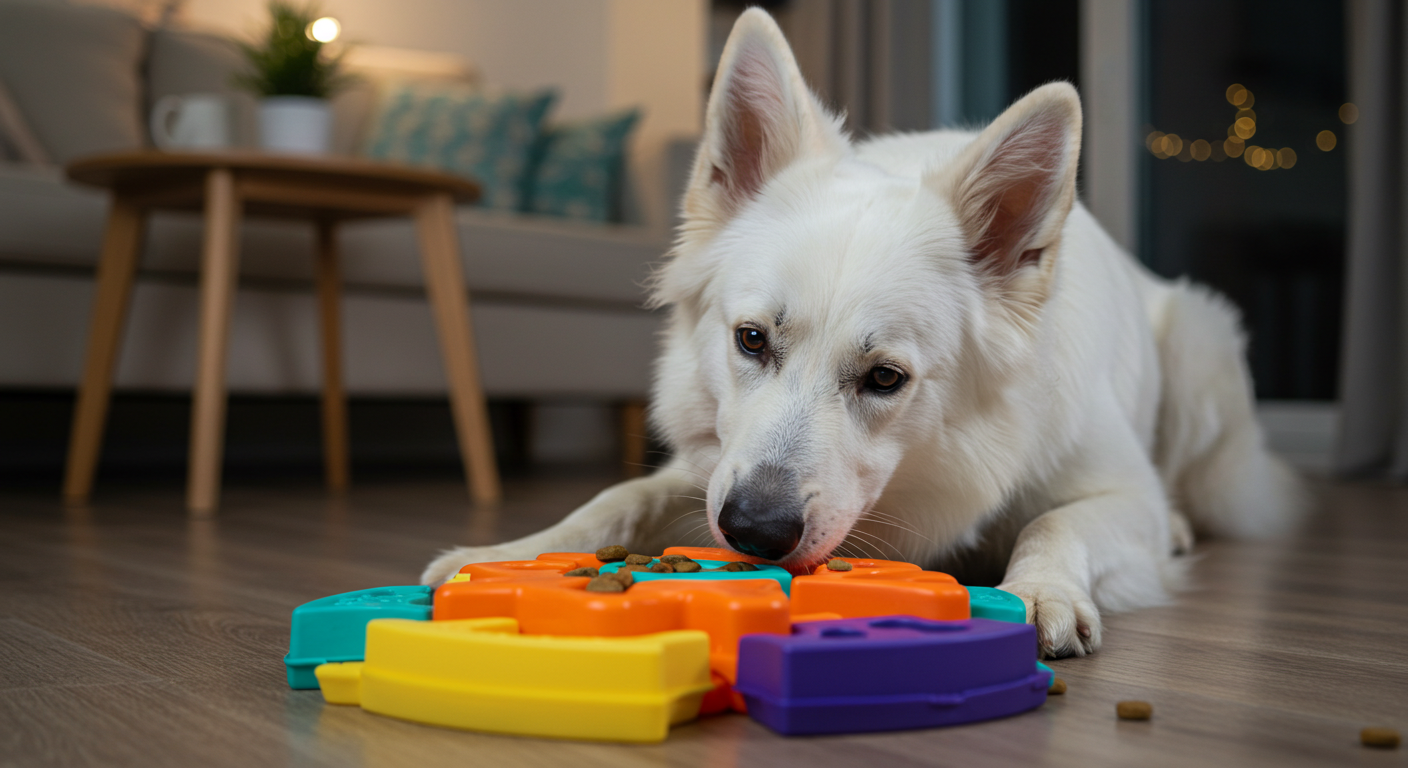
On days when I can't do a full walk, I use a lick mat with frozen yogurt or a stuffed Kong to tire out their brain instead. Mental stimulation drains energy almost as well as physical exercise.
Teaching "Quiet" on cue
I actually teach "speak" first, which sounds backwards. But you can't teach "quiet" if the dog doesn't understand what "speaking" is on command.
Steps I followed:
- Wait for a natural bark. Say "speak" and give a treat.
- After a few days, they bark on the "speak" command reliably.
- Now say "speak," let them bark once, then hold a treat in front of their nose. The second they stop barking to sniff it, say "quiet" and give the treat.
- Repeat. A lot. Takes about 10 days for most dogs.
Removing window access
Simple but effective. Rex used to sit by the front window and bark at every person who walked by. We moved the couch, closed the blinds during peak walking hours, and the window barking dropped by 80%. He literally couldn't see the triggers anymore. Not a training fix, but a management fix that buys you time.
What did NOT work
- Yelling "Be quiet!" This sounds like you're barking back. Made Rex worse every single time.
- Bark collars. I never used one and never will. They suppress the symptom without addressing the cause, and they can create fear and anxiety that leads to worse behavior.
- Ignoring ALL barking. This works for attention barking, but ignoring alert barking frustrated Rex because he genuinely believed he was doing his job. You have to respond differently to different bark types.
When Barking Means Something Is Wrong
Most barking is normal. These situations are not:

Sudden change in barking pattern. If your normally quiet dog starts barking constantly, or your barker suddenly goes silent, see the vet. Could be pain, health issues, or cognitive decline in older dogs.
Barking "at nothing." If your dog stares at a wall or into empty space and barks, have their vision and hearing checked. In senior GSDs, this can signal cognitive dysfunction.
Barking with aggression. Lunging, snapping, or stiff posture combined with barking is not normal alert behavior. This needs a professional trainer, not home solutions.
Nonstop barking when alone. If neighbors report hours of barking while you're at work, your dog likely has separation anxiety. This is a real condition that usually needs professional help, not just more exercise.
Managing German Shepherd barking starts with understanding the reason behind it. Punishment never works because it treats the symptom, not the cause.