German Shepherds are renowned for their loyalty, intelligence, and athleticism. However, even this robust breed isn't immune to illness. Understanding specific GSD health problems early is crucial for every owner who wants to ensure their companion lives a long, pain-free life.
This guide explores the main health concerns with German Shepherds, from hereditary joint issues to digestive sensitivities. Whether you are caring for a puppy or a senior, we break down symptoms, prevention strategies, and care tips to help you navigate potential German Shepherd medical conditions with confidence.
While German Shepherd dogs are known for their resilience, they are susceptible to both hereditary and age-related conditions. By staying informed about these issues, you can take proactive steps to maintain your dog's vitality. Let's dive into the essential health facts every GSD owner needs to know.
Breed Health Overview
German Shepherds are versatile working dogs, but like any purebred, they come with a specific health profile. Knowing what to watch for is the first step in prevention.
On average, the German Shepherd lifespan ranges between 9 and 13 years, though many thrive longer with excellent care. While genetics play a significant role, lifestyle factors such as diet, exercise, and routine veterinary care heavily influence how long do German Shepherds live.
The top German Shepherd health issues often stem from their physical structure and active nature. Awareness of these conditions allows for early intervention:
- Hip & Elbow Dysplasia: Joint malformations causing pain.
- Degenerative Myelopathy: A progressive spinal condition.
- Bloat (GDV): A critical stomach condition common in deep-chested breeds.
- Allergies & Skin Conditions: sensitivities to food or environment.
- Ear Infections: Common due to their upright ear structure.
By understanding these common illnesses in German Shepherds, you can ensure your dog remains a happy, healthy family member.
Common Medical Conditions
Joint Dysplasia Risks
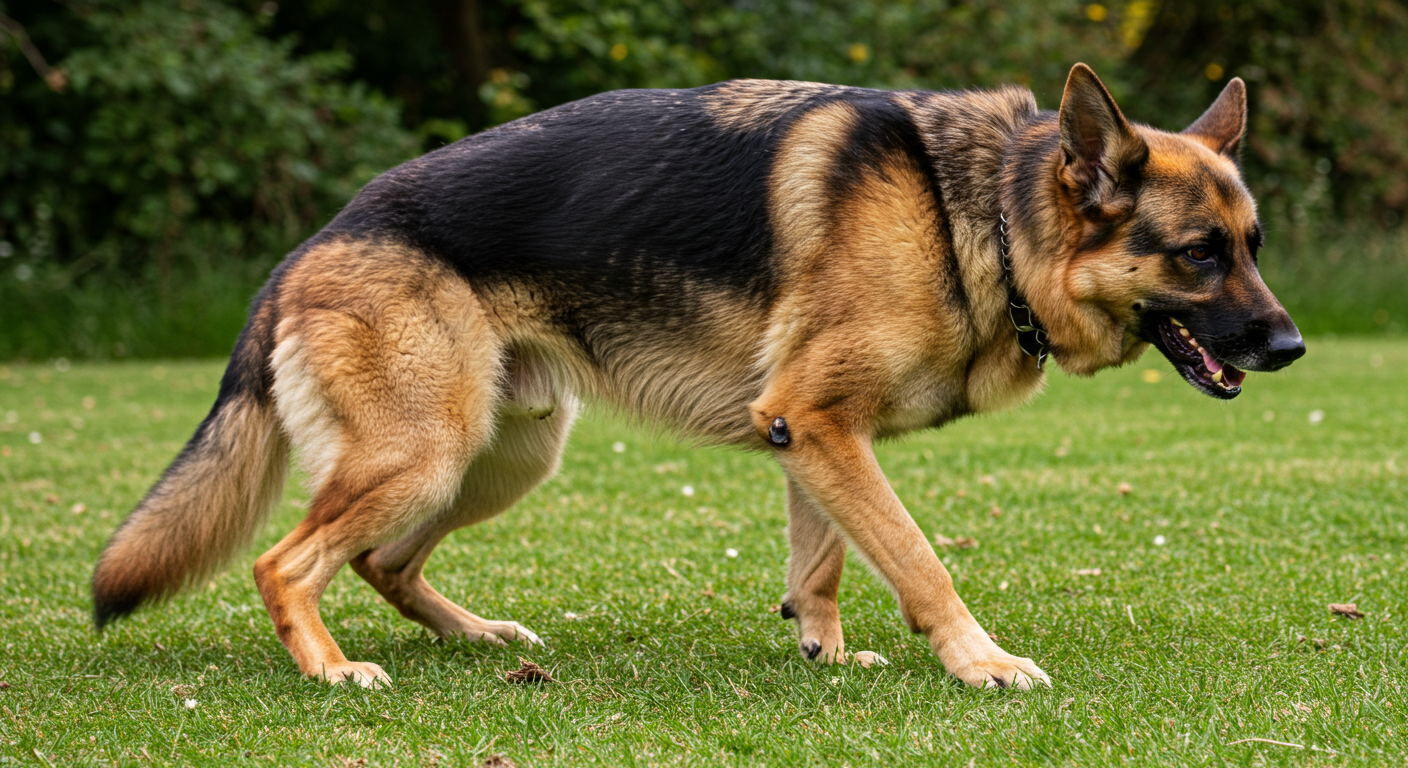
One of the most prevalent Alsatian health problems is hip and elbow dysplasia. According to the Orthopedic Foundation for Animals (OFA), this hereditary condition occurs when joints fail to develop correctly, leading to arthritis and mobility loss.
- Prevention: Maintain a lean weight and use controlled exercise.
- Treatment: Anti-inflammatories, physical therapy, or surgery.
Degenerative Myelopathy
This is a devastating neurological disorder affecting the spinal cord, often compared to ALS in humans. It typically appears in older dogs and results in progressive hind limb paralysis.
- Early Signs: Scuffing toes, wobbling, and difficulty standing.
- Management: Physiotherapy and mobility carts to maintain quality of life.
Gastric Dilatation-Volvulus (Bloat)
Bloat is a medical emergency where the stomach fills with gas and twists. It is one of the most severe German Shepherd health issues and requires immediate surgery. Information from the American College of Veterinary Surgeons highlights that deep-chested dogs are at higher risk.
- Prevention: Feed smaller meals and avoid heavy exercise after eating.
- Symptoms: Distended abdomen, retching without vomiting, and panic.
Digestive Enzyme Deficiency
Exocrine Pancreatic Insufficiency (EPI) is a genetic disorder where the pancreas fails to produce enzymes needed for digestion. This is a frequent German Shepherd dog health issue that causes starvation despite a voracious appetite.
- Symptoms: Weight loss, loose stools, and poor coat condition.
- Treatment: Lifelong enzyme supplementation added to meals. If your dog has a sensitive tummy, choosing the best dog food for sensitive stomach is critical.
Skin Allergies
Whether you have a standard or White German Shepherd, health issues regarding skin are common. These can manifest as hot spots, itching, or hair loss caused by environmental triggers or food sensitivities.
- Common Triggers: Pollen, dust mites, flea bites, or specific proteins.
- Management: Medicated shampoos, dietary trials, and parasite prevention.
Preventative Care Strategies
Managing GSD health problems isn't just about treatment; it's about prevention. Proactive care significantly reduces the risks associated with German Shepherd problems and enhances longevity.
Routine Vet Exams
Regular veterinary care is the cornerstone of health. An annual exam allows vets to catch silent killers like heart disease or early kidney failure.
- Wellness Exams: Monitor heart, lungs, and joints.
- Vaccinations: Follow a proper puppy vaccine schedule to prevent distemper and parvo.
- Dental Care: Prevents systemic infections entering the bloodstream.
- Lab Work: Establishes baselines for organ function.
Nutrition & Diet
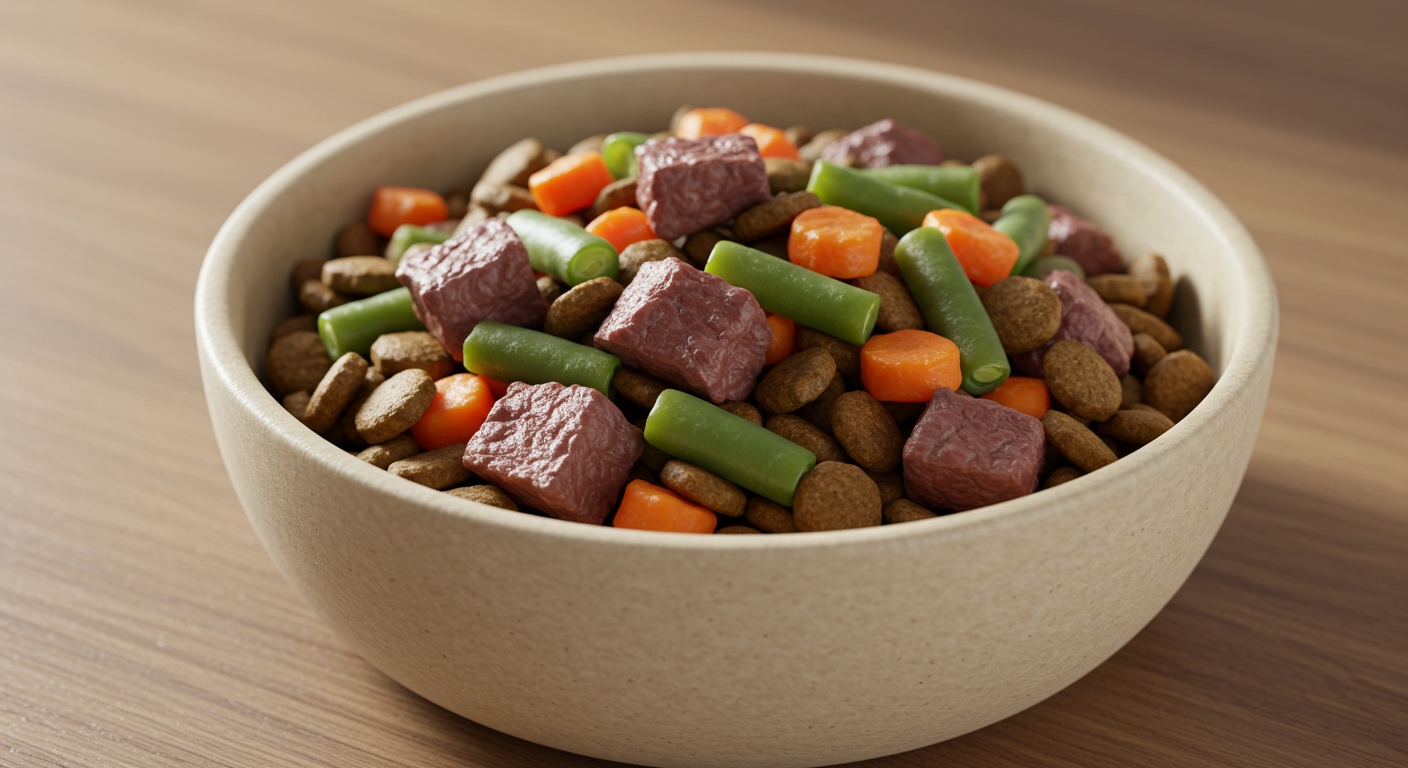
Nutrition is the fuel for your dog's immune system. Feeding a high-quality diet specifically formulated for large breeds helps mitigate common German Shepherd health issues.
- Protein: Essential for muscle maintenance.
- Fatty Acids: Omega-3s reduce inflammation and support skin health.
- Supplements: Glucosamine is vital for joint protection.
- Quality Control: Avoid fillers that trigger GSD health issues like allergies.
Exercise Guidelines
To prevent German Shepherd issues related to obesity and boredom, consistent exercise is mandatory.
- Activity: 1-2 hours daily of walking, fetch, or training.
- Mental Health: Puzzle toys prevent destructive behavior.
- Weight Control: Obesity drastically worsens joint dysplasia symptoms.
Genetic Screening
While you cannot change genetics, you can prepare for them. Responsible breeding is the first defense against common health issues with German Shepherds.
- Breeder Selection: Ensure parents are health-tested (OFA/PennHIP).
- DNA Testing: Identifies carriers for DM and other traits.
- Early Support: Start joint supplements early for at-risk dogs.
Senior Dog Care

As your companion ages, the risk of German Shepherd health problems increases. Senior dogs need extra care and modifications to their environment to maintain their quality of life.
Aging Symptoms
- Mobility: Slower to rise or hesitation on stairs.
- Senses: Clouding eyes or reduced hearing.
- Behavior: Increased sleep or confusion.
- Appetite: Changes in eating habits.
Daily Care Adjustments
You can help extend your dog's lifespan with simple changes:
- Diet: Switch to senior formulas with lower calories.
- Bedding: Orthopedic foam helps arthritic joints.
- Activity: Shorter, more frequent walks.
- Vet Visits: Increase to bi-annual checkups.
- Enrichment: Gentle training keeps the brain sharp.
Age-Related Conditions
Be vigilant for these specific German Shepherd medical conditions in older dogs:
- Arthritis: Chronic joint inflammation.
- Cancer: Hemangiosarcoma is prevalent in the breed; check the AKC breed health statement for more details.
- Incontinence: Weakening bladder control.
- Dental Disease: Gum infections can affect heart health.
Veterinary Intervention
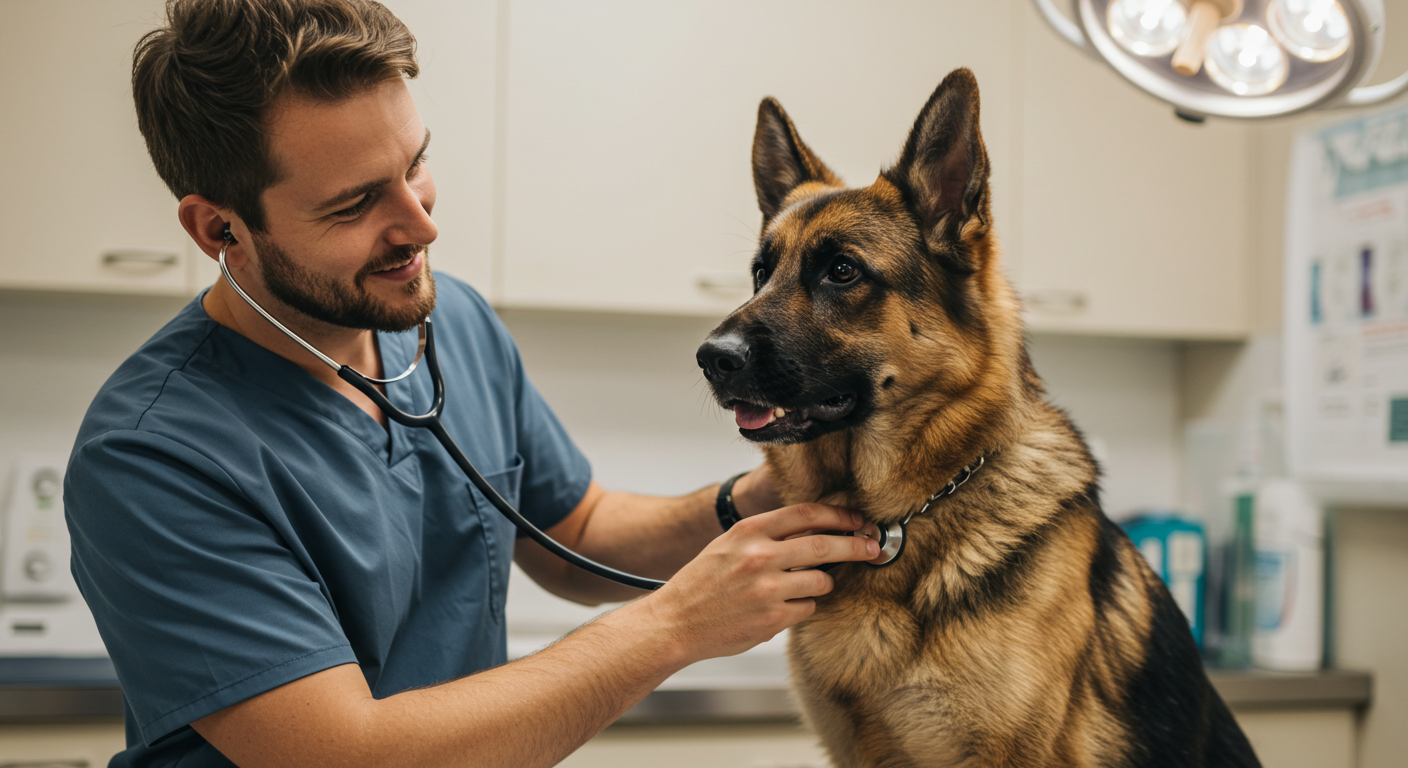
Knowing when to treat at home and when to see a vet is critical for managing GSD health problems.
Warning Signs
Schedule an appointment if you notice:
- Weight Changes: Unexplained loss or gain.
- Limping: Persistent favoring of a leg.
- Respiratory Issues: Coughing or wheezing.
- Digestive Upset: If you see dog diarrhea lasting more than 24 hours.
- Ear infections: Head shaking or foul odors.
- Skin Issues: Hot spots or balding.
Emergency Red Flags
Seek immediate emergency care for:
- Collapse: Sudden inability to stand.
- Bloat: Swollen, hard abdomen and dry heaving.
- Seizures: Uncontrolled shaking or loss of consciousness.
- Bleeding: Uncontrolled or internal bleeding signs (pale gums).
- Toxins: Ingestion of chocolate, grapes, or chemicals.
Visit Expectations
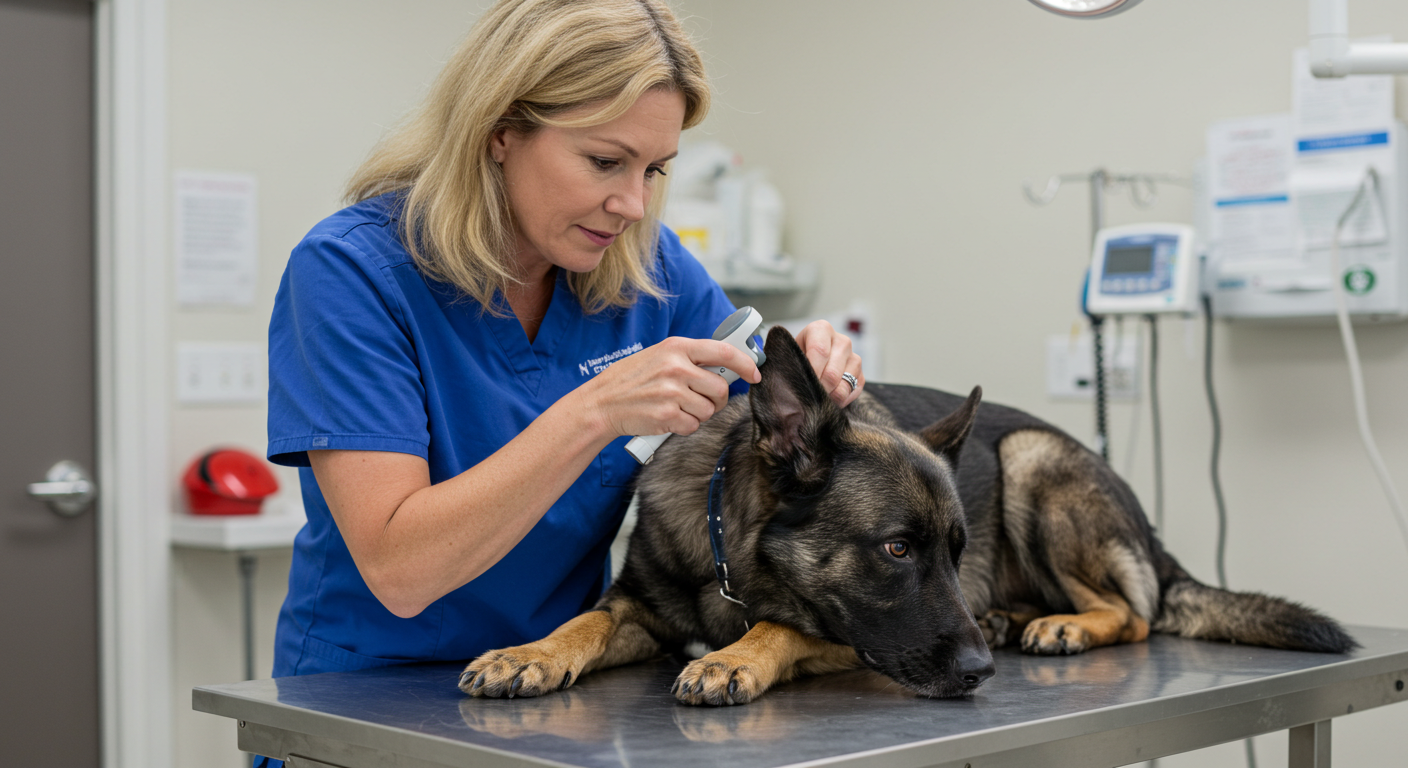
Prepare for your visit by noting all symptoms and dietary habits. Your vet may use blood work or imaging to diagnose German Shepherd health issues. Early detection typically leads to less invasive and more effective treatments.
Caring for this breed is a rewarding responsibility. While GSD health problems exist, an informed owner is the best defense.
By monitoring for common illnesses in German Shepherds, maintaining a healthy lifestyle, and partnering with your veterinarian, you can navigate these challenges.
- Checkups: Prevention is cheaper than cure.
- Diet: Fuel their body correctly.
- Exercise: Keeps joints lubricated and weight down.
- Genetics: Know your dog's history.
- Grooming:** Essential for skin health.
Your German Shepherd gives you their best every day; returning the favor with proactive health care ensures you have many happy years together.