Introduction
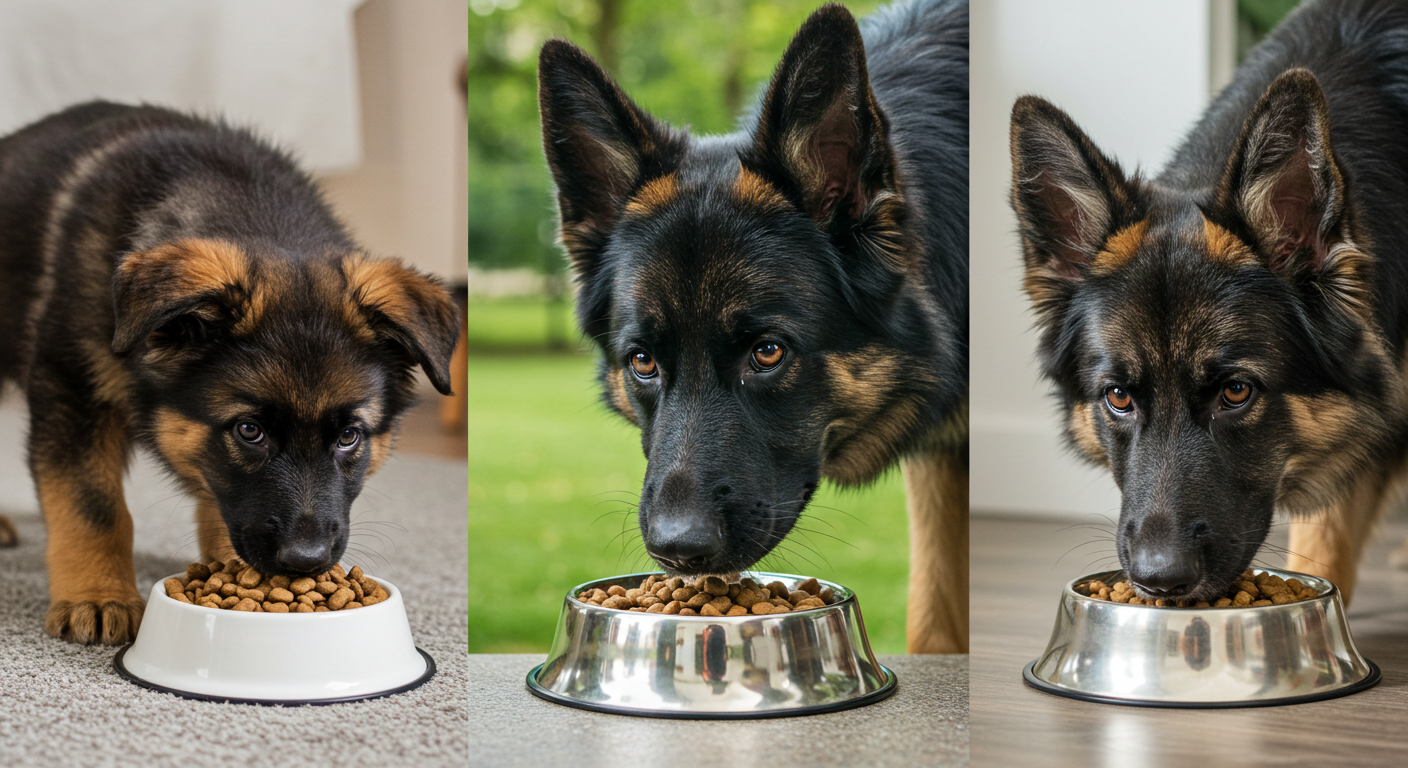
When we brought Rex home in 2014, I Googled "how much to feed a German Shepherd puppy" and got about forty different answers. Half said 2 cups, half said 4. One article told me to just "let him eat until he stops." Rex never stops.
He gained weight, his joints hurt, and our vet gave me a look I'll never forget.
So I started keeping a notebook. Actual amounts, actual weights, what worked and what didn't. First for Rex, then for Luna, and now for our youngest, Koda. Twelve years and three German Shepherds later, I finally have a feeding chart I actually trust.
That's what this page is. Not a copy-paste from a dog food bag, not some generic german shepherd feeding guide pulled from a textbook. It's the chart on my fridge, the one I check every morning, adjusted for age, weight, and how much running around they did that day.
Fair warning: I'm not a veterinarian. I'm just someone who's made enough feeding mistakes to know what works. If your dog has specific health issues, talk to your vet first. For everyone else, grab a coffee and let's get into it.
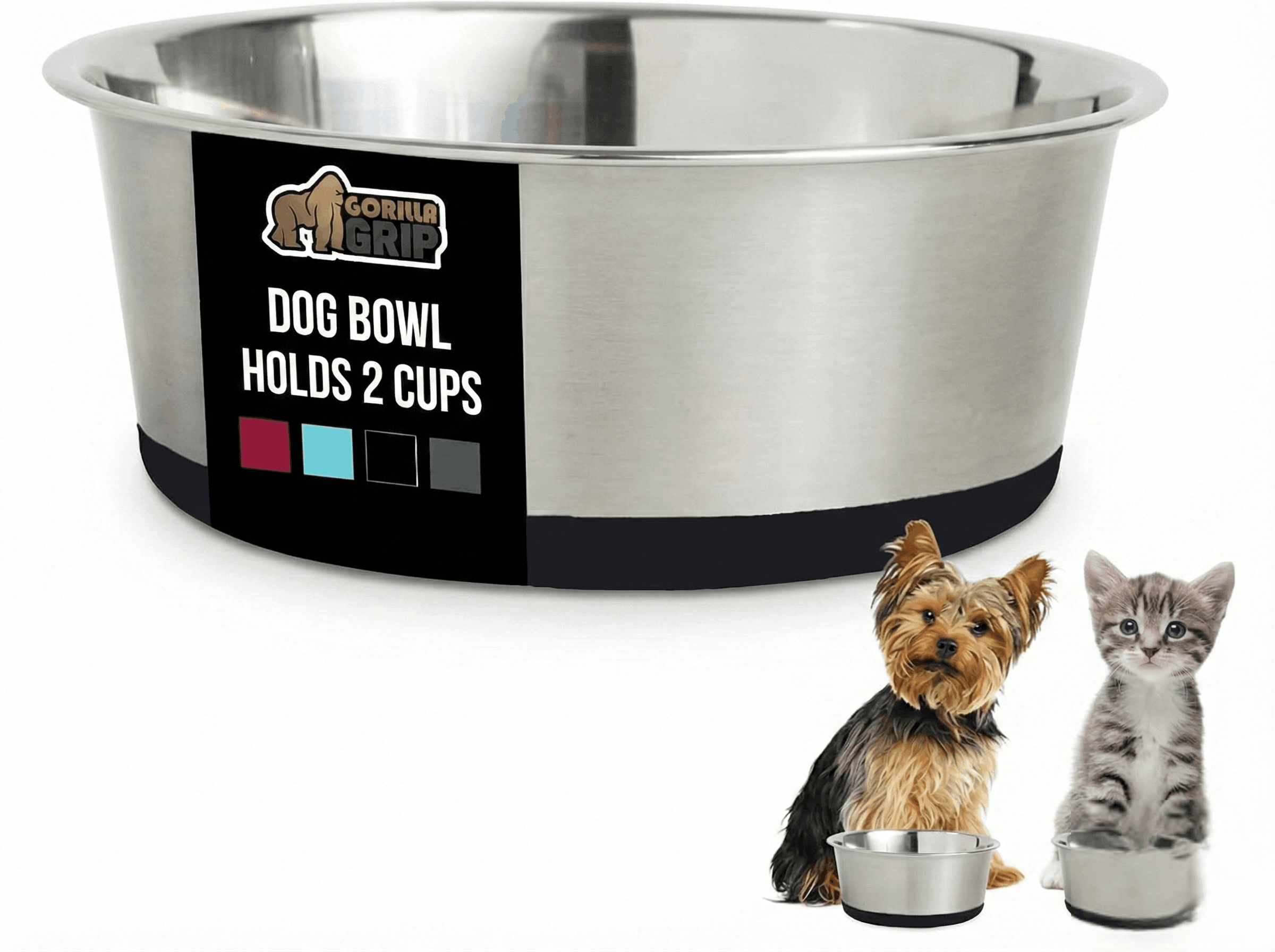
Gorilla Grip 2 Cup Dog Bowls
This Gorilla Grip Stainless Steel Pet Bowl Set is designed to provide a durable, safe, and mess-free feeding experience for your small pets. Founded by pet owners with a mission to create high-quality products that elevate everyday life, Gorilla Grip focuses on "grip" and durability features that set these bowls apart from standard plastic or thin metal alternatives.
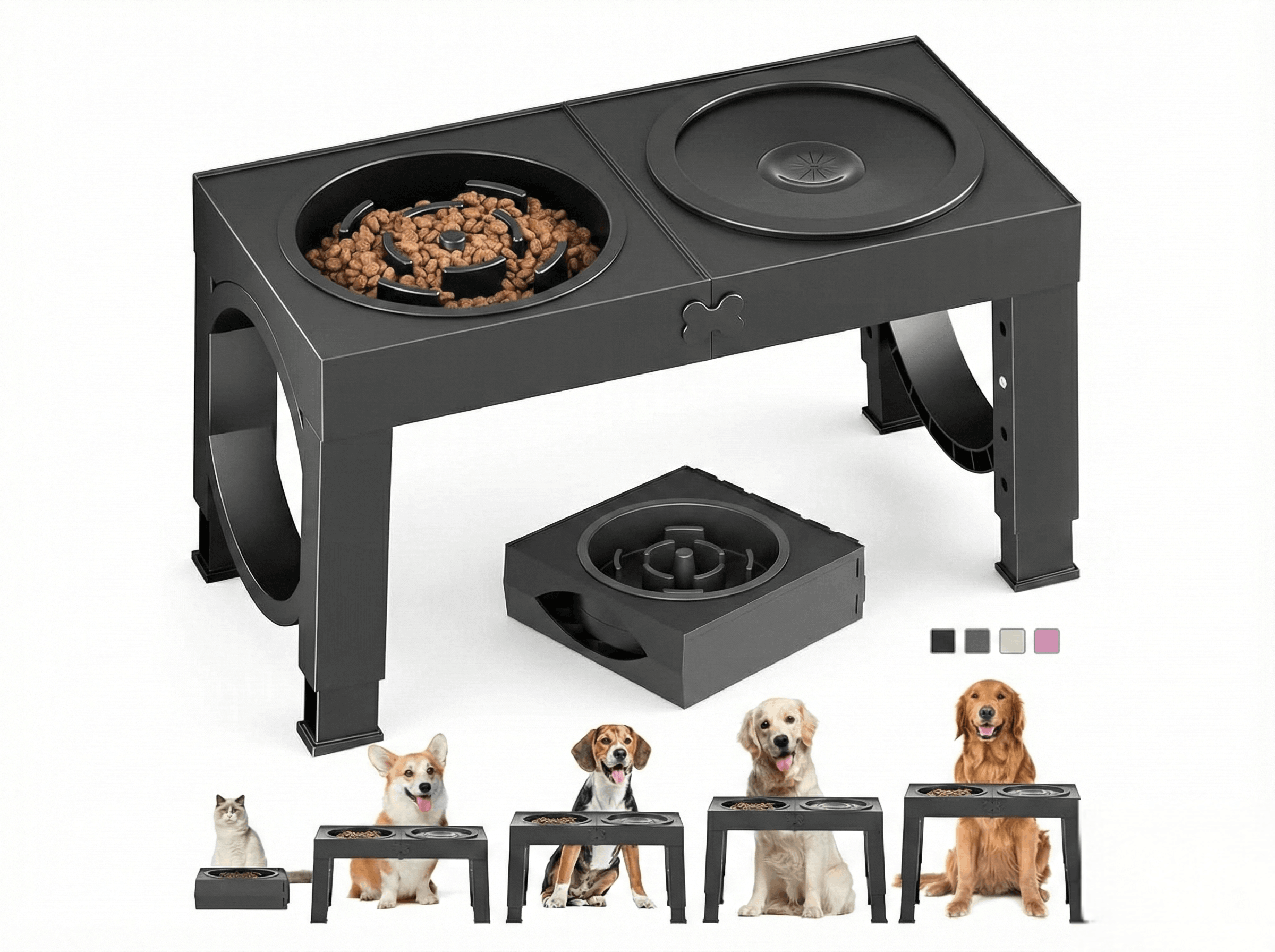
XIAZ Adjustable Elevated Slow Feeder Dog Bowls
The XIAZ Elevated Dog Bowl Stand is the #1 Best Seller in Dog Raised Bowls, specifically engineered to provide a healthier and more comfortable dining experience for medium to large-sized dogs. This versatile station combines a highly adjustable frame with a specialized slow-feeding mechanism to promote better digestion and posture.
Understanding Your German Shepherd's Nutritional Needs
Before I throw numbers at you, you need to understand *why* the amounts are what they are. Otherwise you'll just be following a chart blindly, and when something doesn't look right, you won't know how to adjust.
German Shepherds burn a lot of fuel. Even the "lazy" ones (Luna, I'm looking at you) have a metabolism that runs hotter than most breeds. Getting the german shepherd diet right means understanding that they need a specific mix of protein, fat, and carbs. Not just calories.
Here's the breakdown that our vet Dr. Martinez walked me through:
| Nutrient | Why It Matters | What to Look For on the Label |
|---|---|---|
| Protein (min 22-26%) | Muscle, coat, everything really | Chicken, beef, lamb, or fish as the FIRST ingredient. Not "meat meal." Actual meat. |
| Fat (12-15%) | Energy + that GSD coat shine | Named fats like "chicken fat" or "salmon oil." If it just says "animal fat," skip it. |
| Carbs | Steady energy, not sugar spikes | Sweet potato, brown rice, oats. No corn, no wheat, no soy. |
| Fiber | Keeps digestion moving | Beet pulp, pumpkin. Luna gets a spoonful of canned pumpkin when things get... slow. |
| Glucosamine | Joint health | Non-negotiable for German Shepherds. Their hips take a beating as they age. |
One thing I wish someone had told me earlier: cheap food is expensive. Rex was on a grocery store brand his first two years. By age 5, he had chronic stomach issues that cost us over $2,000 in vet visits. Turned out the corn filler was wrecking his gut. We switched to Victor Hi-Pro Plus ($50/bag instead of $25) and the problems vanished within a month.
Currently I rotate between three brands. Not because I'm fancy, but because our vet recommended it to prevent food sensitivities:
- Victor Hi-Pro Plus. Our everyday go-to. 30% protein, affordable, Luna thrives on it.
- Orijen Large Breed. Premium. I use this for Koda during his growth phase.
- Diamond Naturals Large Breed. Solid budget backup when money's tight. No shame in that.
I also keep a bag of The Farmer's Dog in the freezer for when someone's feeling off or won't eat. It's expensive but it's never failed to get a picky dog eating again.
Puppy Stage: Feeding Chart (8 Weeks to 12 Months)
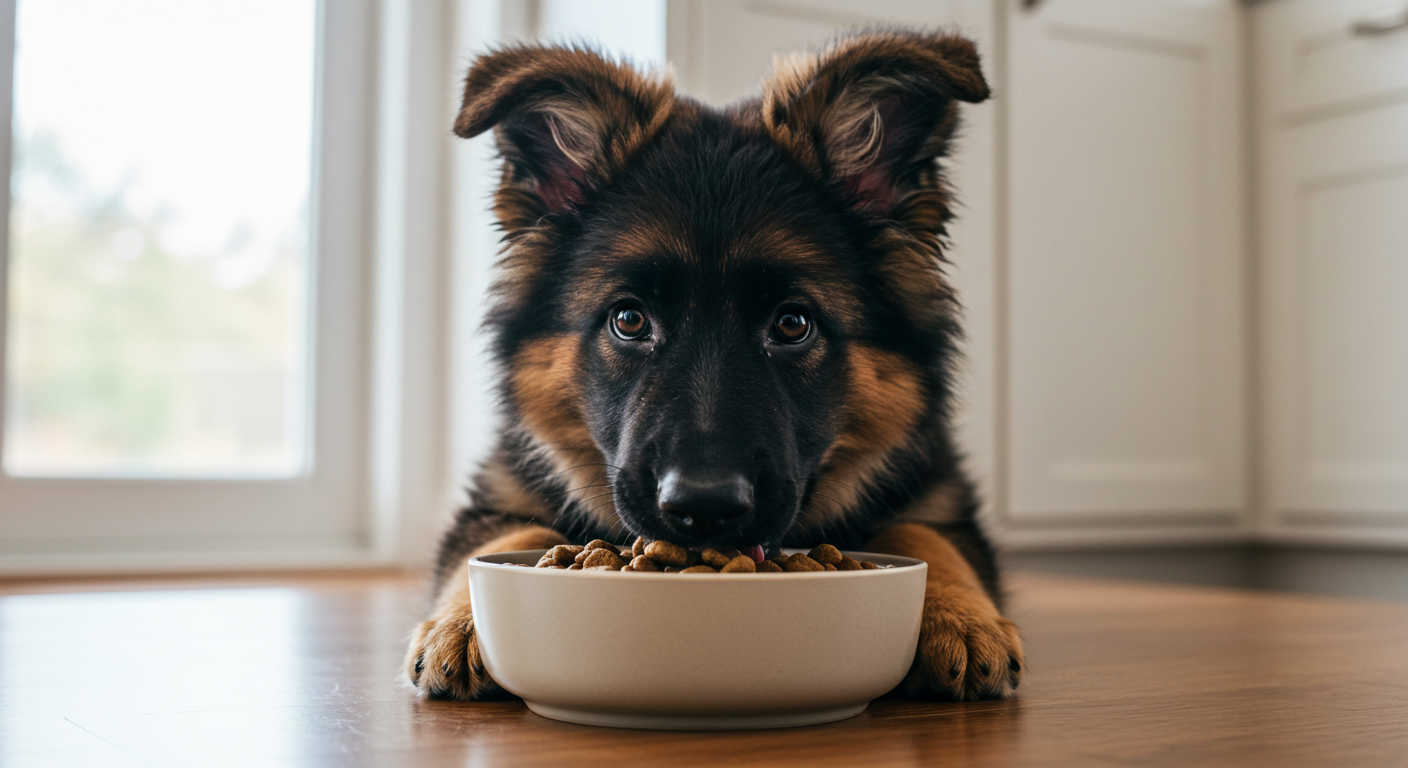
Ok so this is the phase where you'll second-guess yourself the most. Koda is 11 months right now and I STILL double-check the chart some mornings. Puppy feeding is stressful. Just accept that.
Here's my german shepherd puppy feeding schedule:
GSD Puppy Feeding Chart
| Age | Meals/Day | Total Cups/Day | What I Feed | Notes |
|---|---|---|---|---|
| 8-12 weeks | 4 meals | 1.5 to 2 cups | Orijen Large Breed Puppy | Tiny portions. Their stomachs are small. I spread meals at 7am, 11am, 3pm, 7pm. |
| 3-4 months | 3 meals | 2 to 3 cups | Same | Growth spurt hits. Koda went from inhaling food to begging between meals. Stay strong. |
| 5-6 months | 2-3 meals | 3 to 3.5 cups | Same + glucosamine treat | I add a Nutramax Cosequin chew at this point. Controversial maybe, but our vet said start early. |
| 7-9 months | 2 meals | 3.5 to 4 cups | Same | This is peak appetite. Koda currently eats more than Luna, who weighs twice as much. |
| 10-12 months | 2 meals | 3 to 3.5 cups | Start mixing in adult food | Drop back slightly. Growth slows down even though they still act like maniacs. |
What Koda actually gets right now: 3.5 cups of Orijen Large Breed Puppy. Split into two meals, 7 AM and 6 PM. I soak the kibble in warm water for about 5 minutes before serving. Partly for digestion, partly because he eats so fast I'm genuinely scared he'll choke.
Three times a week I add a pump of Nordic Naturals salmon oil. His coat looks ridiculous. Like a shampoo commercial.
Mistakes I Made (So You Don't Have To)
With Rex: I free-fed him as a puppy. Just left the bowl down all day and let him graze. He gained weight way too fast, and for a breed prone to hip dysplasia, that's dangerous. Our vet caught it at his 5-month checkup and was pretty blunt about it. Measured meals only from that day forward.
With Luna: I switched her food overnight when we ran out of her usual brand. Three days of diarrhea. On the couch. I'm still finding stains if I look hard enough. Always transition over 7-10 days. I do 75% old / 25% new for three days, then 50/50 for three days, then flip it.
With both of them: I fell for the puppy eyes. GSDs will look at you like they haven't eaten in weeks. They have. Stick to the chart. If you're worried they're actually hungry, check with your vet before adding more food.
When to Switch From Puppy to Adult Food
Most guides say 12 months. I wait until 14 or 15 months. German Shepherds keep growing until about 18 months, and puppy food has the calcium-to-phosphorus ratio their developing bones need. Our vet agreed, though she said anywhere in the 12-16 month range is fine as long as the dog isn't overweight.
Adult Stage: How Much to Feed (1 to 7 Years)
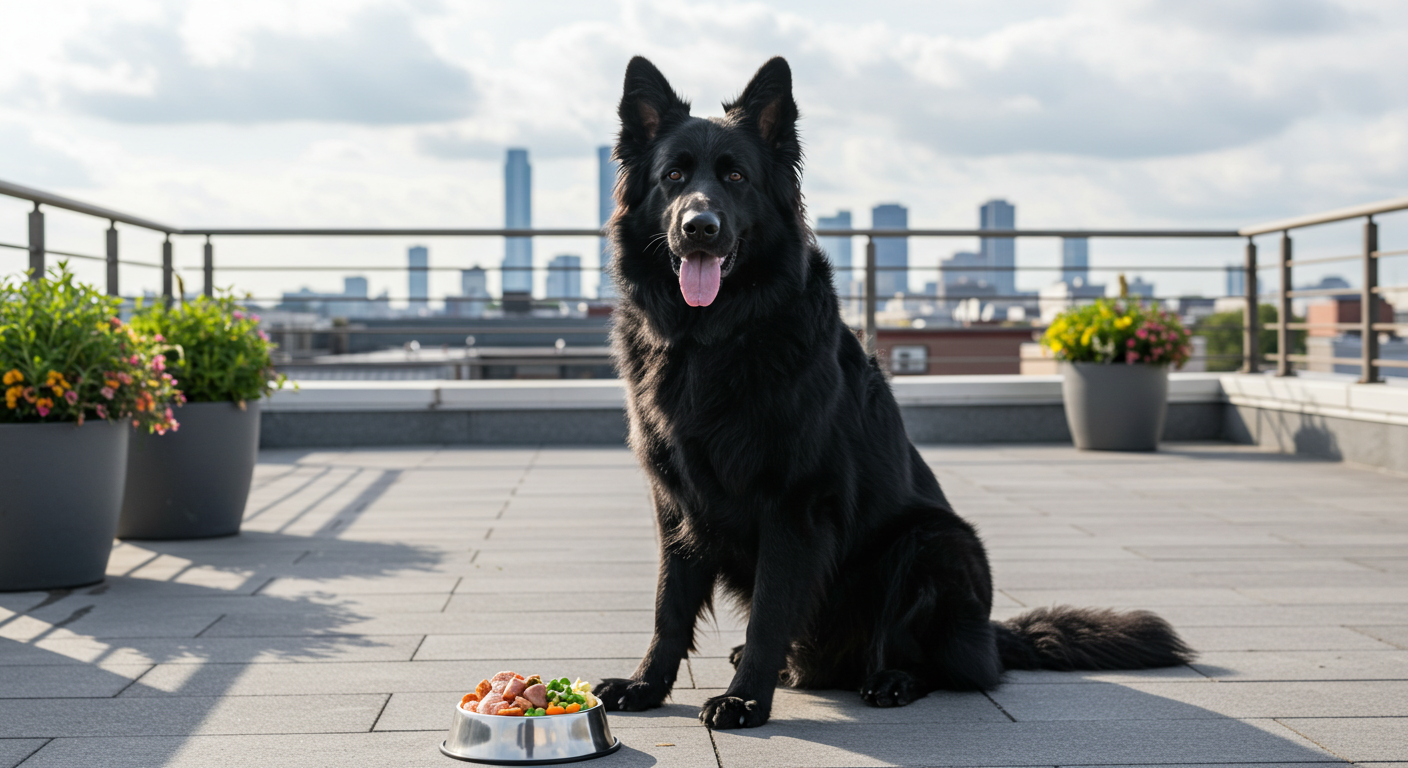
This is the easy phase. Honestly, once you find the right food and the right amount, you can coast for years. Luna's been eating basically the same thing since she turned 2. She's 8 now and still gets compliments from strangers at the park about her coat and figure. (Makes one of us.)
Adult GSD Feeding Chart
| Weight | Activity Level | Cups Per Day | Approx Calories |
|---|---|---|---|
| 60-70 lbs | Low, mostly indoor, short walks | 2.5 to 3 cups | 1,200 to 1,500 |
| 70-80 lbs | Moderate, daily walks, some play | 3 to 3.5 cups | 1,500 to 1,800 |
| 80-90 lbs | High, running, hiking, training | 3.5 to 4.5 cups | 1,800 to 2,200 |
| 90+ lbs | Very high, working dog, service dog | 4.5 to 5+ cups | 2,200 to 2,800 |
Note about female vs male: Female GSDs generally weigh 50-70 lbs and eat on the lower end. Males are typically 65-90 lbs and eat more. Luna (female, 72 lbs, moderate activity) gets 3 cups. Rex at the same age (male, 85 lbs, very active) got 4 cups.
What Luna eats daily:
- Morning (7 AM): 1.5 cups Victor Hi-Pro Plus
- Evening (6 PM): 1.5 cups same
- On hiking days, I add an extra quarter cup to the evening bowl
- She gets maybe 3-4 small training treats throughout the day. I count those as part of her intake.
The Rib Test (Better Than Any Chart)
Here's something I do every two weeks that matters more than any feeding chart:
Run your hand along your dog's ribcage. No pressing, just a light touch.
- Can feel ribs easily but can't see them? Perfect. Stay the course.
- Can't feel ribs at all? Cut a quarter cup per meal. More walks.
- Ribs are visible? Add a quarter cup per meal. Check with vet if it continues.
This is the single best tool I have. Charts give you a starting point, but every dog carries weight differently. Luna runs lean. Rex was stockier even at a healthy weight. The rib test accounts for that.
How I Store Dog Food (Random But Important)
Quick tangent because nobody talks about this. Dog food goes stale. If you buy the big 40lb bag like I do (it's cheaper), transfer it into an airtight container. I use a Vittles Vault. Kibble sitting in a torn-open bag loses nutritional value and can grow mold, especially in humid weather. I learned this the hard way after Rex refused to eat food from a bag that had been open for six weeks.
Senior Stage: Feeding Tips (7+ Years)
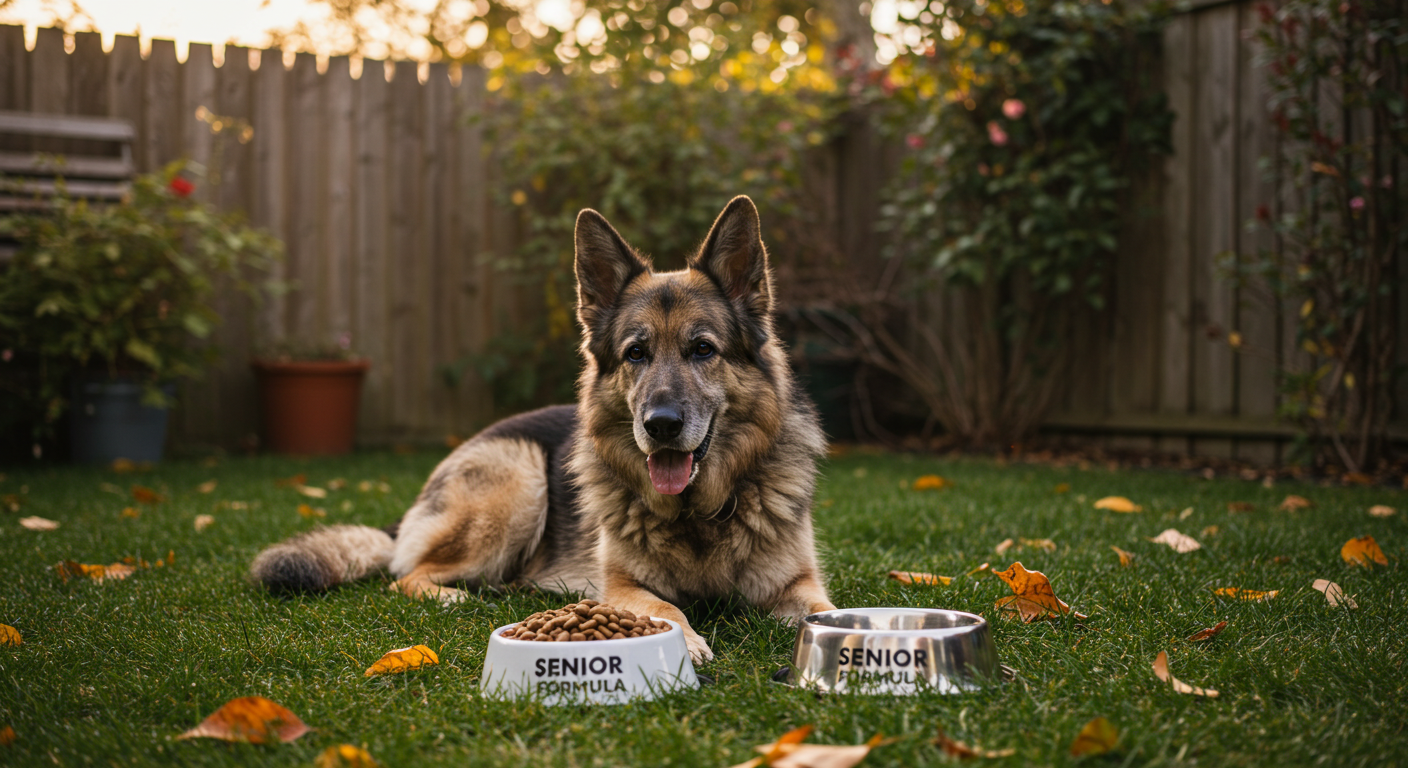
Rex made it to 13 years and 4 months. Every day past 10 felt like borrowed time, and I'm convinced his diet played a big part in that.
Here's what changes as they age:
Senior GSD Feeding Chart
| Age | Cups Per Day | Key Changes | Supplements |
|---|---|---|---|
| 7-9 years | 2.5 to 3 cups | Switch to senior formula, lower fat | Glucosamine/chondroitin daily, omega-3 oil |
| 10-12 years | 2 to 2.5 cups | Smaller meals, consider 3x/day | Probiotics, joint supplement, fiber |
| 13+ years | Based on appetite | Mix wet + dry, prioritize hydration | Whatever the vet recommends at this point |
What changed for Rex after 10:
His appetite got weird. Some days he'd eat everything, other days he'd sniff the bowl and walk away. I stopped stressing about it and focused on making whatever he did eat count.
I switched from straight kibble to a mix:
- 1 cup Orijen Senior
- A quarter cup warm bone broth (homemade, chicken carcasses, no salt, no onion)
- A Nutramax Cosequin DS chew for his joints
The bone broth made the biggest difference honestly. He went from barely drinking water to lapping up his whole meal. Our vet said dehydration is one of the top problems in senior dogs and most people don't catch it because they assume dogs will drink when they're thirsty. They don't always.
I also moved from 2 meals to 3 smaller ones around age 11. His digestion just couldn't handle big portions anymore. Smaller meals mean less bloat risk too.
The hard truth about senior feeding: There's no perfect chart for this stage. It changes month to month. I weighed Rex every two weeks and adjusted constantly. Some months he needed more, some less. The best thing you can do is stay close to your vet and watch for the signs below.
Signs Your Dog Needs a Diet Change
I don't want to give you a generic symptom list. Here's what actually happened with my dogs and what we did about it:
Luna, age 3, constant itching. Started around spring so I assumed allergies. Tried medicated shampoo. Tried Benadryl. Tried an oatmeal bath. Nothing worked. Finally our vet suggested switching protein. Luna had been on chicken-based kibble her whole life. We switched to Orijen Six Fish (salmon-based) and the itching stopped in about two weeks. Just... stopped. Three years later, still no itching. Sometimes the answer is that simple and that annoying.
Rex, age 5, chronic soft stool. Went through a whole series of tests. Turned out to be the corn filler in his cheap kibble causing gut inflammation. Switched to Victor and it cleared up. Spent $2,000 on tests before a $25 food switch fixed everything. I'm still mad about it.
Koda, age 7 months, refused breakfast for three days. I panicked. Called the vet. She asked one question: "Did you open a new bag of food?" I had. Same brand, same formula, but a new batch. Some dogs notice the difference. Mixed in a spoonful of wet food and he ate immediately. Now I always overlap bags so I'm finishing the old one while the new one is already open and mixed in.
Quick Reference: What Symptoms Mean
| What You See | Most Likely Cause | First Thing to Try |
|---|---|---|
| Itchy skin, dull coat | Wrong protein or missing omega-3s | Switch protein source (chicken to fish) |
| Soft stool, gas | Low-quality fillers or food intolerance | Try limited ingredient diet for 2 weeks |
| Won't eat | New food batch, dental pain, or illness | Add warm water or broth. If 48+ hours, see the vet. |
| Gaining weight | Too many treats or too much food | Reduce by a quarter cup. Cut treats in half. |
| Losing weight | Not enough calories or underlying issue | Increase food. If it continues for 2 weeks, vet visit. |
| Eating grass | Stomach upset (usually) | Monitor. Usually resolves on its own. If it's frequent, call the vet. |
My Feeding Routine
This is literally what I do every day. Nothing fancy.
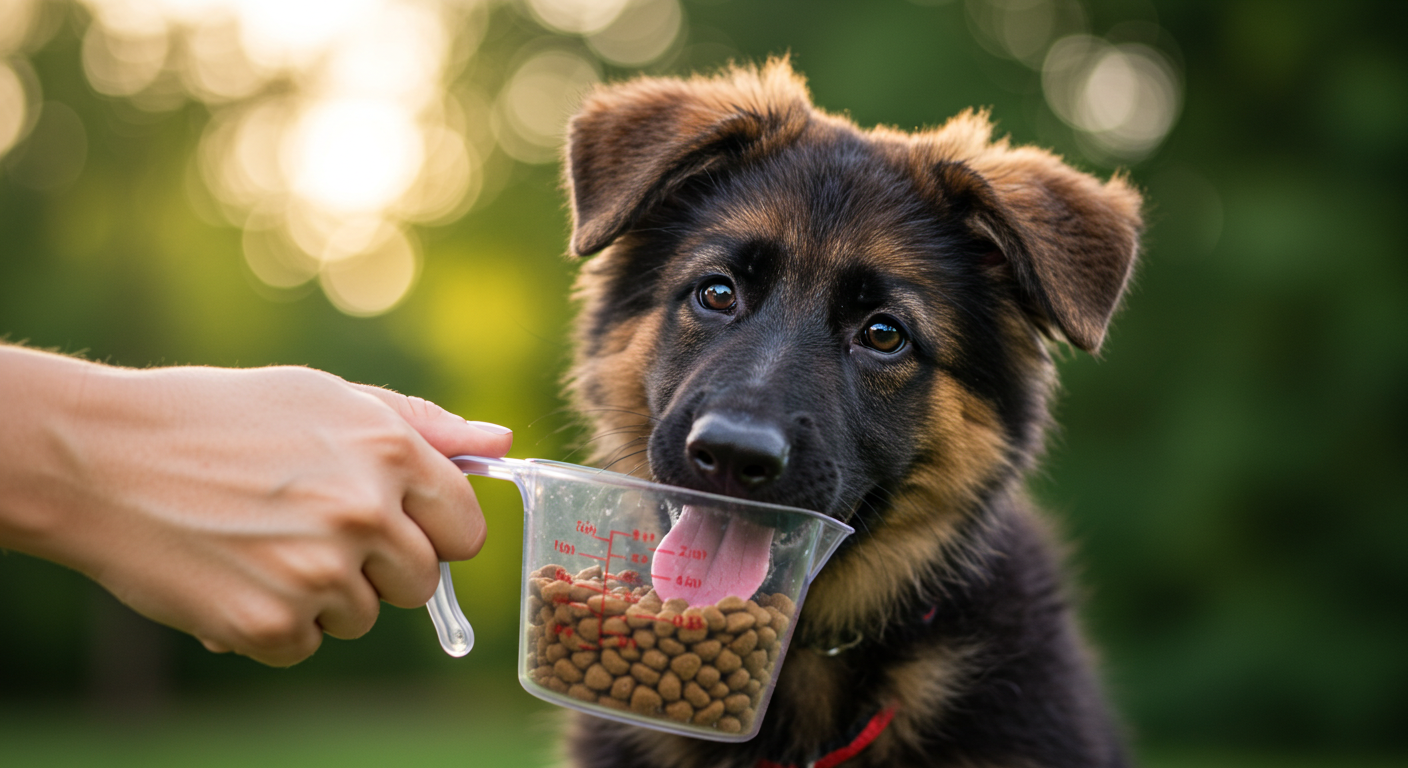
6:50 AM. Measure food for all dogs. Luna gets her Victor, Koda gets his Orijen. I use a cheap kitchen scale, not cups. Cups are inconsistent. A "cup" of kibble can vary 20% depending on how packed it is. The scale cost me $8 at Target.
7:00 AM. Bowls go down. Luna eats in the kitchen, Koda eats in the laundry room. Separate rooms because Luna gets anxious when Koda hovers near her bowl, and honestly I don't blame her.
7:15 AM. Bowls come up. Whether they finished or not. This is important. If you leave food down all day, you can't track how much they're actually eating, and you lose the ability to catch appetite changes early. Rex's cancer symptoms started with him leaving food in his bowl. I only caught it because I was strict about the 15-minute rule.
6:00 PM. Same thing. Measure, serve, pick up.
Throughout the day, a few training treats. I break full-sized treats into thirds. Dogs don't care about size, they care about frequency. Three tiny treats feel like three big rewards to them.
Other Rules I Follow
- Transition food over 10 days minimum. I already told you the Luna diarrhea story. Learn from my couch.
- No food 2 hours before or after heavy exercise. Bloat kills German Shepherds. This is not optional. We do morning walk first, then breakfast. Never the other way around.
- Fresh water always available. I have three water bowls around the house and wash them daily. Luna drinks more if the water is cool, so in summer I toss in a few ice cubes.
- Weigh your dog monthly. I use the bathroom scale. Step on alone, then step on holding the dog. Math. I keep a note in my phone with the numbers going back years.
No german shepherd feeding chart is perfect for every dog, but this one gives you a solid starting point to adjust from.