I lost my first German Shepherd, Rex, when he was 11. He had a great life, and honestly, we got more time with him than most GSD owners do. But it still felt like it came too fast. If you are reading this, you probably want to know what to expect, and more importantly, what you can do right now to give your dog the longest, healthiest life possible.
The Average German Shepherd Lifespan
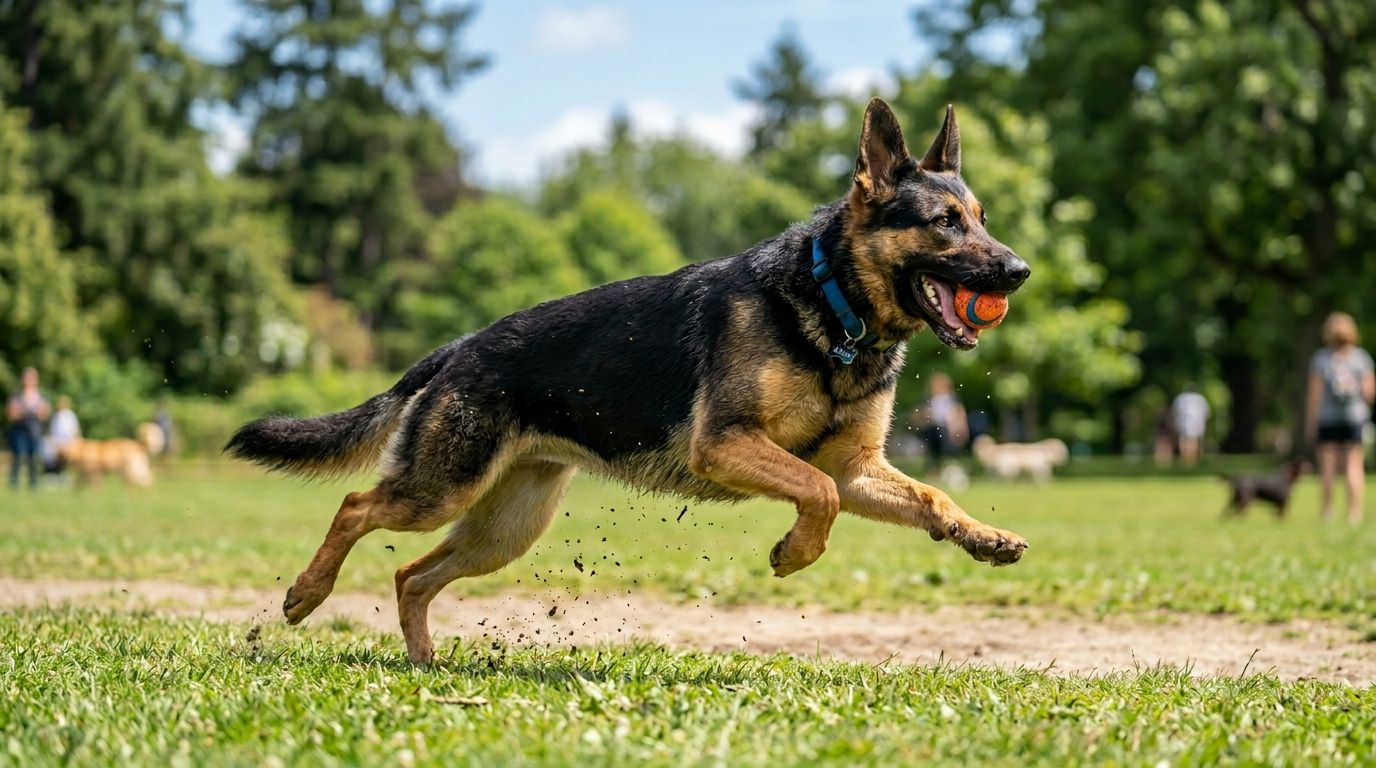
The typical German Shepherd lives between 9 and 13 years. Most land right around the 10 to 11 year mark. That might feel short compared to smaller breeds like Chihuahuas that push 18 or 20 years, but for a large breed dog, it is actually respectable.
Here is how GSDs compare to other popular breeds:
| Breed | Average Lifespan | Size Category |
|---|---|---|
| German Shepherd | 9 to 13 years | Large |
| Labrador Retriever | 10 to 12 years | Large |
| Golden Retriever | 10 to 12 years | Large |
| Rottweiler | 8 to 10 years | Large |
| Great Dane | 7 to 10 years | Giant |
| Border Collie | 12 to 15 years | Medium |
| Chihuahua | 14 to 18 years | Small |
The general rule in the dog world is simple: bigger dogs tend to have shorter lives. German Shepherds weigh anywhere from 50 to 90 pounds depending on whether they are male or female, so they fall right in the middle of the large breed category.
What Shortens a German Shepherd's Life?
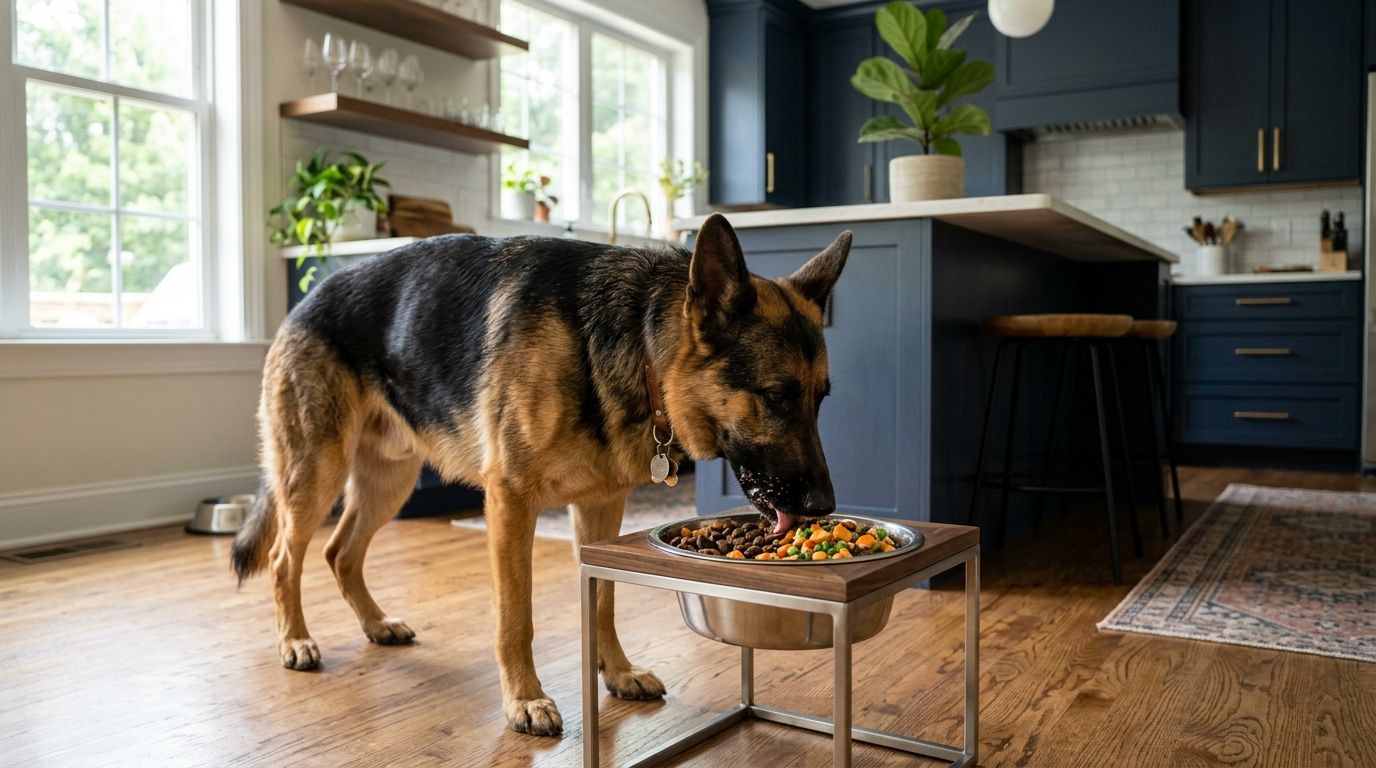
Understanding the threats is the first step to fighting them. Here are the most common reasons GSDs do not reach their full potential lifespan:
Hip and Elbow Dysplasia
This is the breed's biggest genetic weakness. Roughly 20% of German Shepherds develop hip dysplasia according to the Orthopedic Foundation for Animals. The condition causes painful joint deterioration that can severely reduce quality of life and lead to difficult decisions about euthanasia in senior dogs.
If your GSD is already showing signs of stiffness, look into a quality hip and joint supplement specifically formulated for large breeds.
Degenerative Myelopathy (DM)
This progressive spinal cord disease is heartbreakingly common in German Shepherds. It starts with weakness in the back legs and slowly progresses to full paralysis. There is no cure, but early detection through DNA testing helps you plan ahead and keep your dog comfortable for longer. Dog wheelchairs can significantly extend quality of life once mobility decreases.
Bloat (GDV)
Gastric Dilatation-Volvulus is an emergency condition where the stomach twists on itself. German Shepherds are one of the highest-risk breeds. Without immediate surgery, GDV is fatal within hours. Learn the warning signs of bloat so you can act fast if it happens.
Cancer
Cancer accounts for a significant percentage of GSD deaths, particularly hemangiosarcoma and osteosarcoma. Regular vet screenings become critical after age 7.
Important: The single most impactful thing you can do for your German Shepherd's longevity is keeping them at a healthy weight. Obesity accelerates joint disease, increases cancer risk, and can cut 2 full years off their life.
7 Ways to Help Your German Shepherd Live Longer
You cannot change genetics. But you can dramatically influence how those genetics play out.
- Keep them lean - An overweight GSD is an unhealthy GSD. If you cannot feel their ribs with light pressure, they need to lose some weight
- Feed high-quality food - Avoid cheap fillers. Invest in a quality dog food formulated for German Shepherds with real protein sources
- Exercise daily, but smartly - GSDs need at least 2 hours of activity, but avoid repetitive high-impact exercise on hard surfaces that damages joints
- Stay current on vet visits - Twice a year after age 7. Early detection of hip issues, tumors, and organ problems saves lives
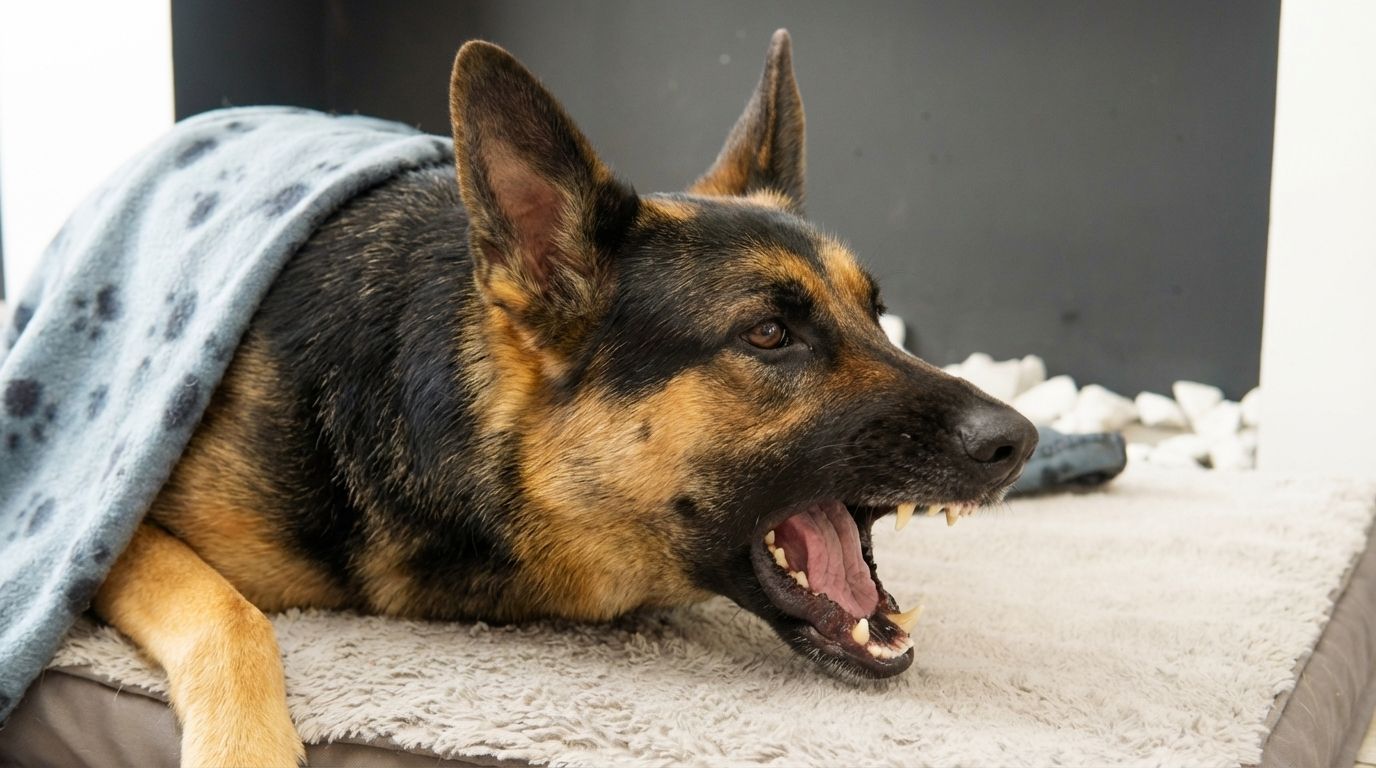
- Dental care matters - Dental disease can lead to heart and kidney problems. Brush their teeth regularly or use dental chews. Check out our German Shepherd teeth guide for practical tips
- Mental stimulation - A mentally engaged dog is a healthier dog. Boredom leads to stress, and chronic stress weakens the immune system
- Supplement wisely - Probiotics for gut health, salmon oil for coat and joints, and joint supplements after age 5
When Is a German Shepherd Considered Senior?
Most veterinarians consider German Shepherds to be seniors at around 7 years old. That might feel early, but large breed dogs age faster than small breeds.
At 7, I recommend shifting your approach:
- Switch to senior-formula food with joint support
- Reduce intensity of exercise (longer walks instead of sprints)
- Increase vet check-ups to twice per year
- Watch closely for signs of declining health so you are never caught off guard
Your GSD might still act like a puppy at 7, and that is wonderful. But their body is changing internally, and proactive care during this stage makes a noticeable difference.
The Oldest German Shepherds on Record
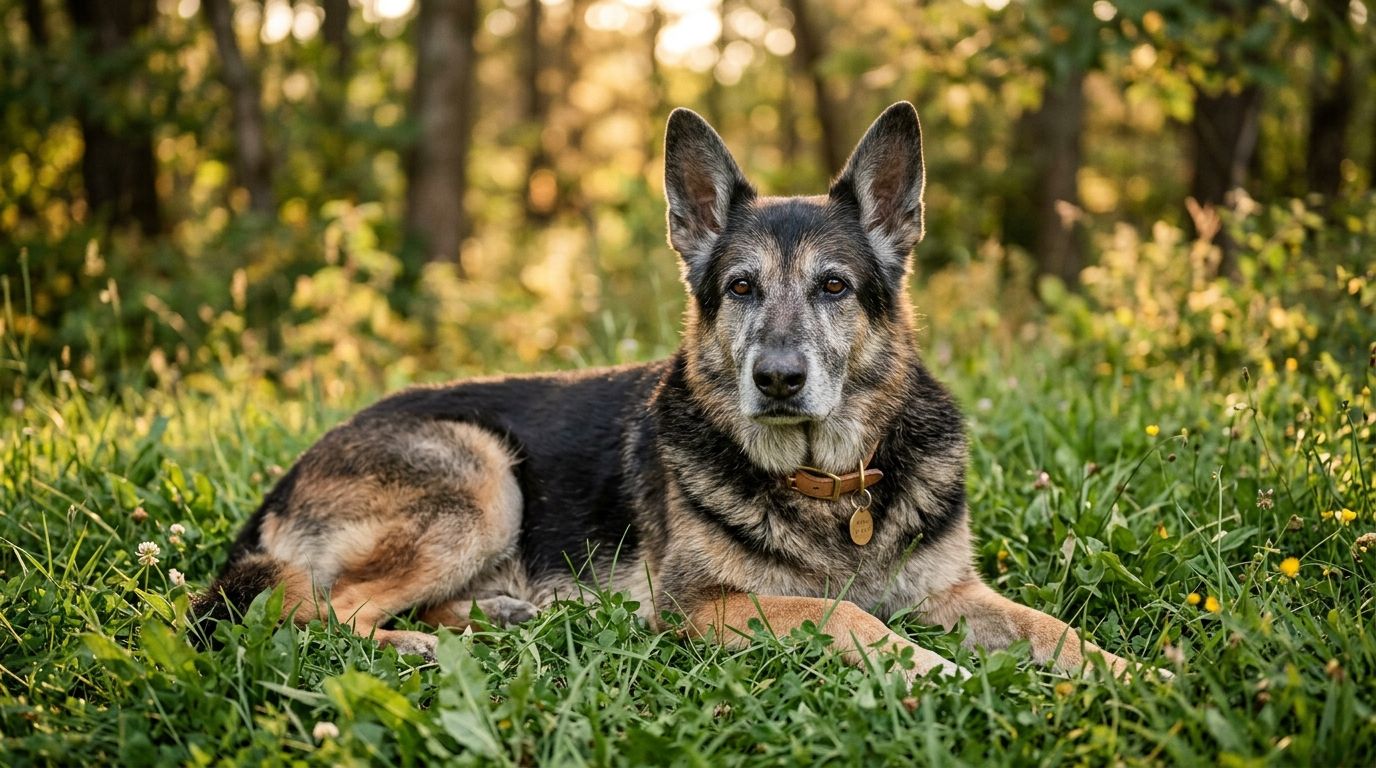
While the average falls around 10 to 11 years, some German Shepherds have lived well into their late teens. The key factors these long-lived dogs share are interesting:
- They were kept at a lean body weight throughout life
- They had consistent daily exercise without overexertion
- They ate whole food diets or high-quality commercial food
- They received regular veterinary care including dental cleanings
- They lived in low-stress environments with consistent routines
You can read more tips in our article about helping your dog become the oldest German Shepherd.