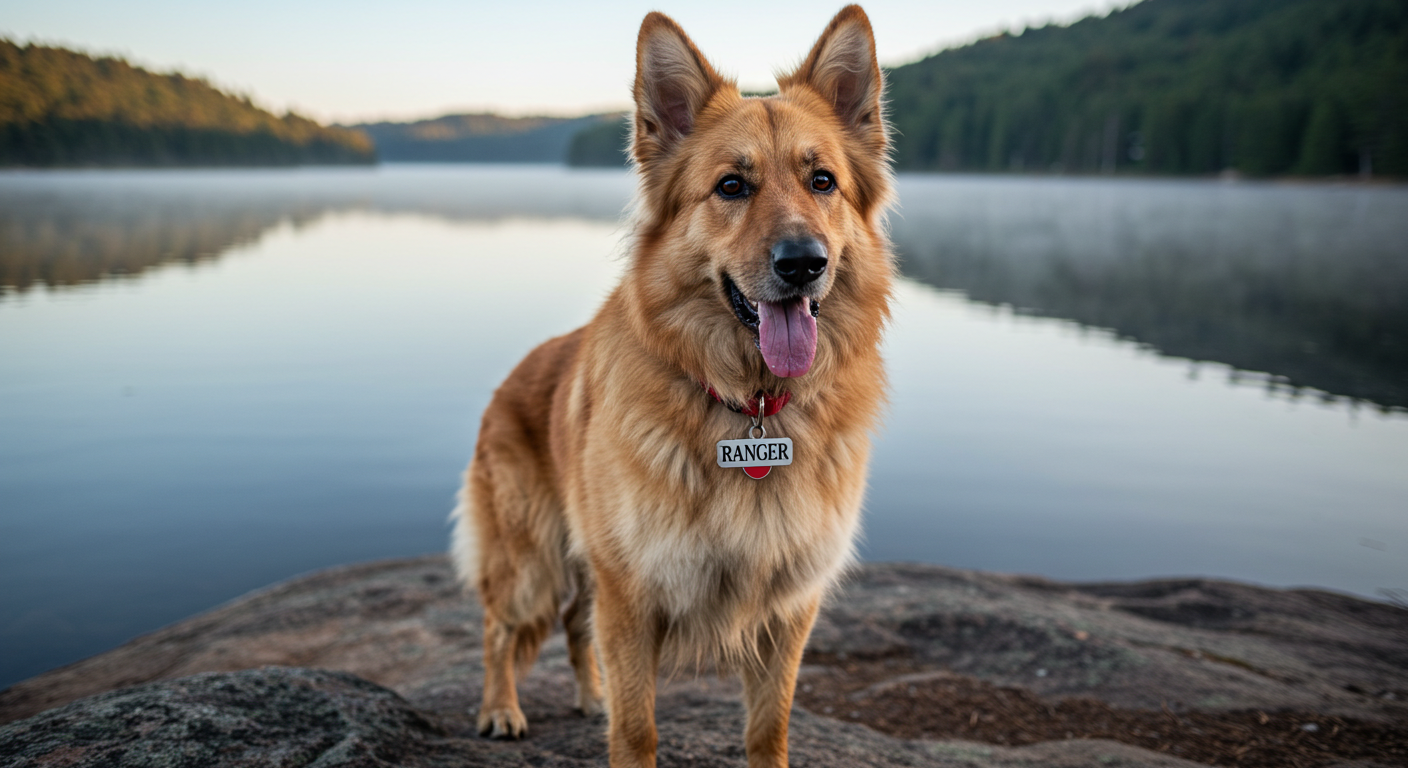
If you love the GSD spirit but lack the yard space, the mini German Shepherd dog might be your perfect match. These compact canines pack the loyalty, intelligence, and protective nature of the standard breed into a much more manageable frame. For families living in apartments or smaller homes, they offer the best of both worlds.
However, finding a healthy german shepherd small dog mix requires diligence. Because they aren't a standardized breed, the market is flooded with variations, some of which are healthier than others. Whether you are looking for a toy German Shepherd or a mini shepherd mix, understanding the source of your puppy is critical to avoiding heartbreak and high vet bills down the road.
This guide explores the realities of small shepherd mix breeds and provides a roadmap for finding a trustworthy breeder. We will help you navigate the red flags and identify the signs of a healthy, well-raised puppy so you can make an informed decision for your family.
Mini GSD Variations
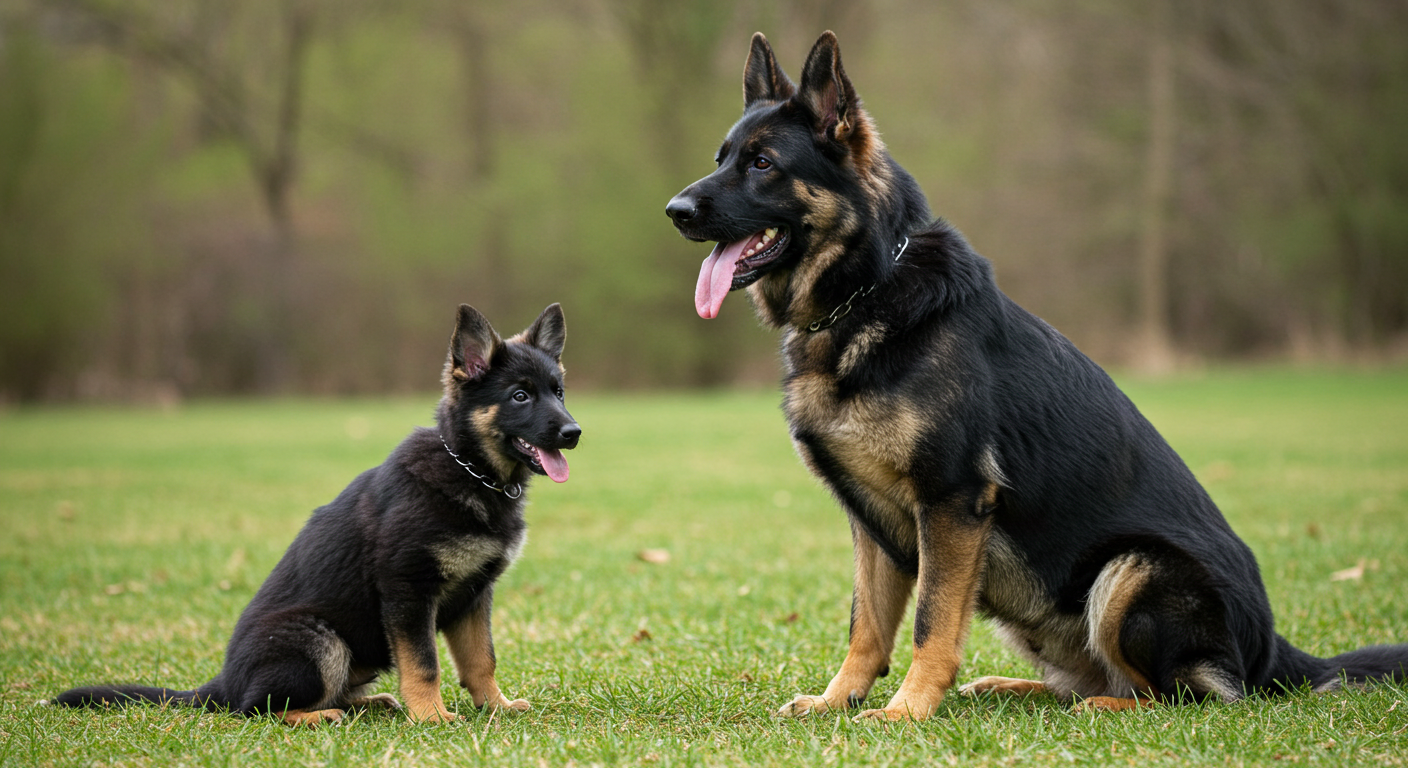
Before you start calling breeders, it is vital to understand what a mini German Shepherd dog actually is. Unlike purebreds, these dogs are not "one size fits all." They generally fall into three specific categories, each with unique health and temperament considerations.
- Mini Shepherd Mix: This is the healthiest and most common method. Breeders create a german shepherd mixed with small breed dog, such as a Poodle, Corgi, or Border Collie. You can learn more about popular crosses in our guide to German Shepherd mixes.
- Dwarf German Shepherd: These are purebred dogs affected by pituitary dwarfism, a genetic condition. While they look like tiny GSDs, they often suffer from significant health issues, including thyroid problems and a shorter lifespan.
- Toy German Shepherd: This term is often a marketing label for very small mixes or dogs bred specifically for extreme smallness. Be cautious with this label, as breeding for extreme size reduction can compromise the dog's structure.
Understanding the genetics behind your potential mini german shepard is the first step in responsible ownership. Always ask the breeder specifically how they achieved the smaller size to ensure you aren't purchasing a dog with known genetic defects.
Identifying Reputable Breeders
Finding a source for a german shepherd small dog takes time and patience. These puppies, often a cross between a GSD and a smaller breed, need a safe environment to thrive. A quality breeder prioritizes the long-term well-being of their animals over quick sales.
Follow this checklist to vet potential sources for your miniature german shepherd:
- Verify Online Presence: A professional mini German Shepherd dog breeder usually provides detailed information about their breeding philosophy and puppy care protocols on their website.
- Request Health Clearances: Reputable breeders test parent dogs for breed-specific issues. You should look for certification from organizations like the OFA (Orthopedic Foundation for Animals) for hips and elbows.
- Visit the Environment: Always try to visit the facility. It should be clean, spacious, and odor-free.
- Review Medical History: Ensure the puppy has a clear bill of health, including age-appropriate vaccinations and deworming.
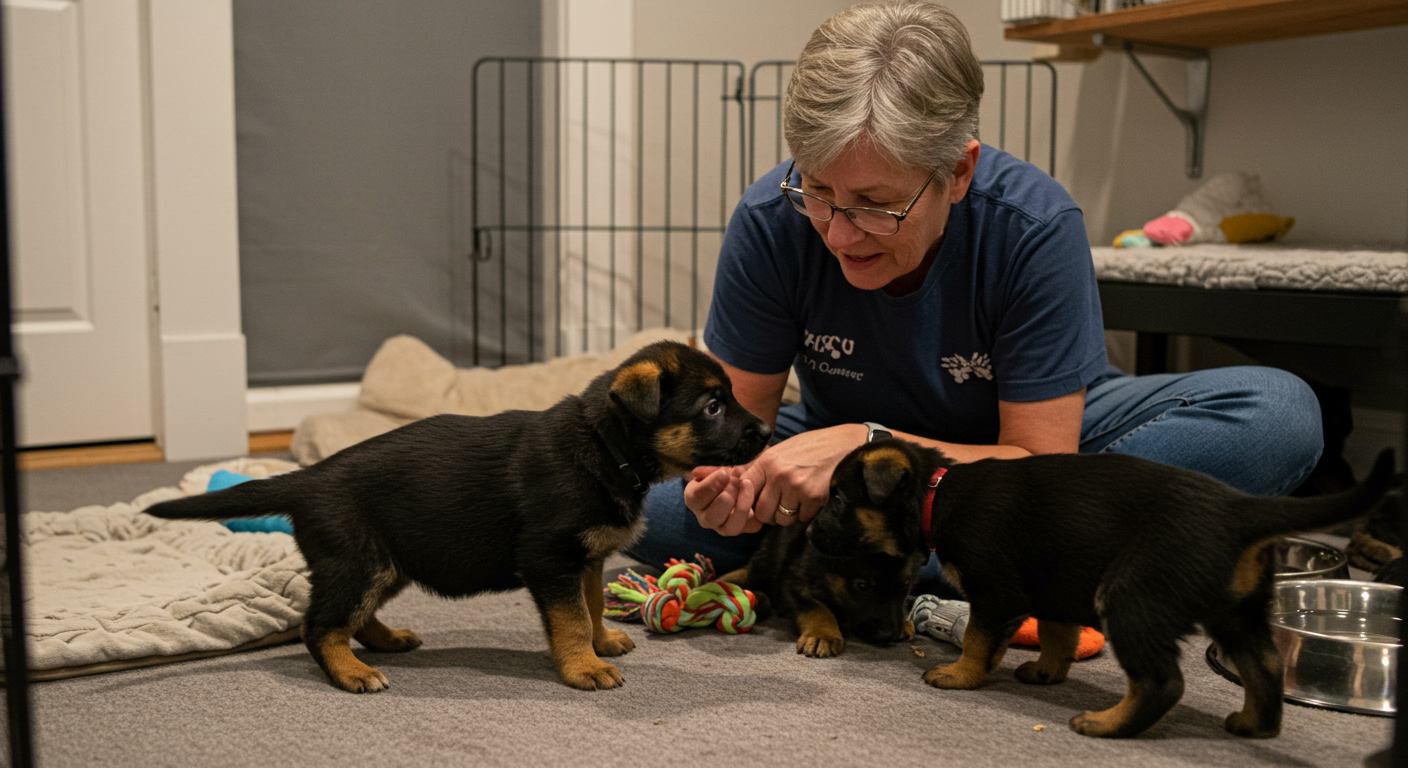
- Assess Socialization: Great breeders start training early, exposing puppies to different sounds, people, and surfaces.
- Discuss Costs Openly: Quality breeding is expensive. Understanding the market can help you spot scams; check our German Shepherd puppy price guide for context on costs.
By adhering to these standards, you ensure that your german shepherd small dog mix has the best possible start in life.
Temperament and Traits
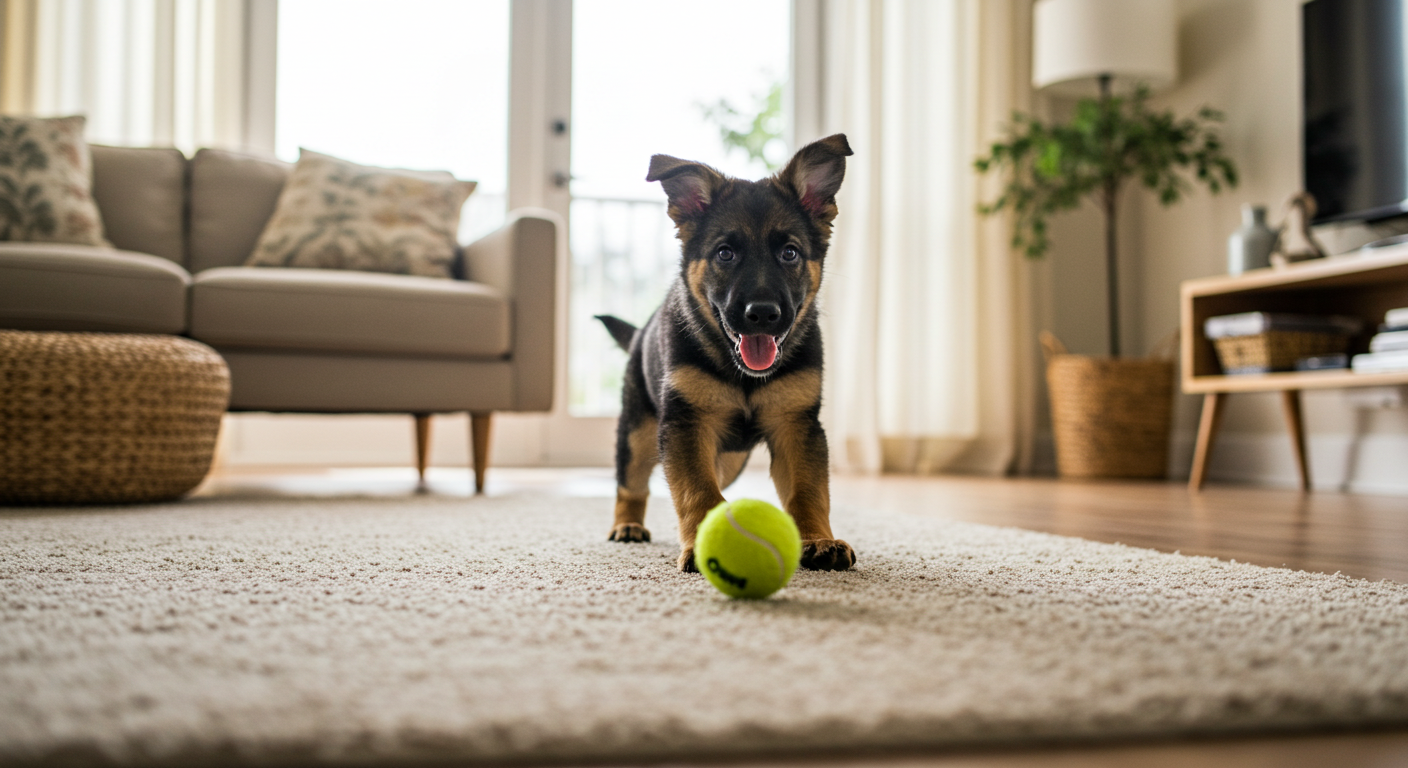
What can you expect when you bring a mini German Shepherd dog home? While they are smaller, they are still big personalities. Whether you call them a mini gsd or a shepherd mix, they generally retain the working dog intelligence of their larger ancestors.
Here is a breakdown of common traits found in mini German Shepherds:
- Compact Stature: Most weigh between 25 and 50 pounds, making them significantly easier to handle than a standard 80-pound GSD.
- High Energy: Do not let the size fool you. These dogs are active and require daily exercise. According to PetMD, GSDs are high-energy working dogs, and this drive often carries over to their mixes.
- Vocal Nature: They make excellent watchdogs but can be prone to noise. You may need to manage German Shepherd barking early on.
- Double Coat: A miniature gsd will likely inherit a thick coat. Be prepared for seasonal shedding and weekly brushing.
Remember, a mini german shepard is not a lap dog. They are intelligent workers that need mental stimulation and firm, loving guidance to become good family members.
Breeder Red Flags
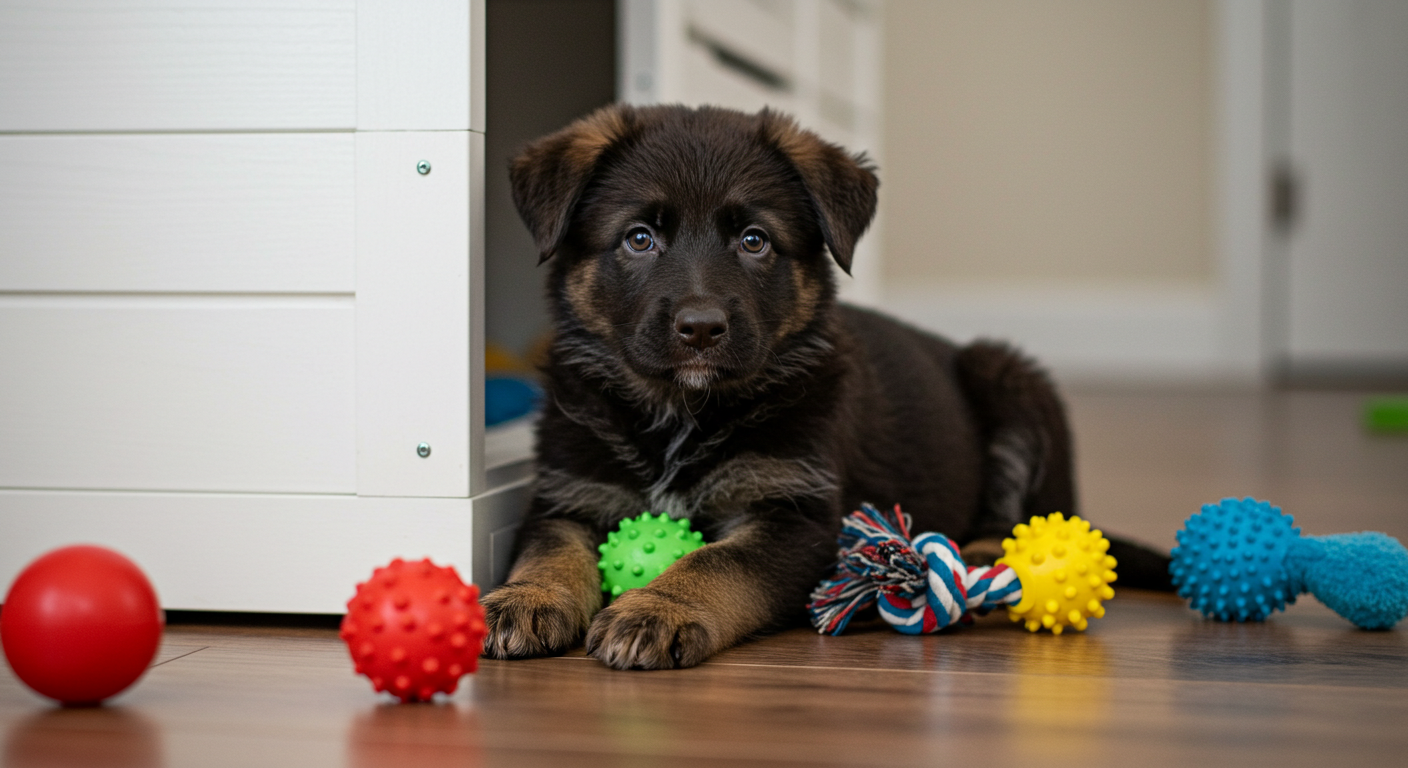
Unfortunately, the popularity of mini german shepherds attracts unethical sellers. To avoid supporting a puppy mill, you must be vigilant. A bad breeder can sell you a sick puppy or one with severe behavioral issues.
Watch out for these warning signs when looking for a german shepherd small dog:
- Lack of Medical Records: If a breeder cannot prove the parents are screened for health issues, walk away.
- Refusal of Visits: Transparency is key. If they won't let you see where the dogs live, they are likely hiding poor conditions.
- "Everything" is Available: A breeder offering ten different breeds or constantly having puppies in stock is a major red flag.
- No Paperwork: A responsible breeder provides a contract and a health guarantee.
- Vague Vaccine History: Puppies need specific shots at specific times. Check our puppy vaccine schedule to know what records you should be seeing.
Finding a reputable mini German Shepherd dog breeder requires research, but the effort protects you and the breed. By avoiding these red flags, you ensure that your future dwarf german shepherd or mix is a happy, healthy addition to your life.