Nobody wants to think about losing their dog. But knowing what German Shepherds are most vulnerable to is the first step toward preventing it, or at least catching it early enough to do something about it.
I have owned German Shepherds for over a decade. I have been through the loss, and I have seen what it looks like when health problems are caught early versus when they are caught too late. The difference is often years of quality time.
The Top 7 Causes of Death in German Shepherds
These are ranked by prevalence based on veterinary research and breed-specific health surveys:
| Rank | Cause of Death | Age of Onset | Preventability |
|---|---|---|---|
| 1 | Cancer (hemangiosarcoma, osteosarcoma) | 7 to 12 years | Low - screenings help with early detection |
| 2 | Degenerative Myelopathy (DM) | 8 to 14 years | Low - genetic testing helps with planning |
| 3 | Hip/Elbow Dysplasia complications | Any age, worsens with age | Moderate - weight management and supplements |
| 4 | Bloat (GDV) | Any age, peaks 7 to 12 | Moderate - feeding habits and preventive surgery |
| 5 | Heart Disease (particularly dilated cardiomyopathy) | 5 to 10 years | Moderate - diet and regular screenings |
| 6 | Organ Failure (kidney, liver) | 8+ years | Moderate - regular bloodwork catches it early |
| 7 | Spinal Issues (IVDD, cauda equina) | 5+ years | Moderate - weight and exercise management |
1. Cancer
Cancer is the leading killer of German Shepherds, just as it is for most large breed dogs. The two most common types in GSDs are:
Hemangiosarcoma - An aggressive cancer of the blood vessel walls that typically affects the spleen, liver, or heart. It is devastating because it often shows no symptoms until the tumor ruptures and causes internal bleeding. By the time most owners notice something is wrong, the cancer has already spread.
Osteosarcoma - Bone cancer that typically strikes the long bones of the legs. It starts with intermittent lameness that owners often mistake for a pulled muscle or joint pain.
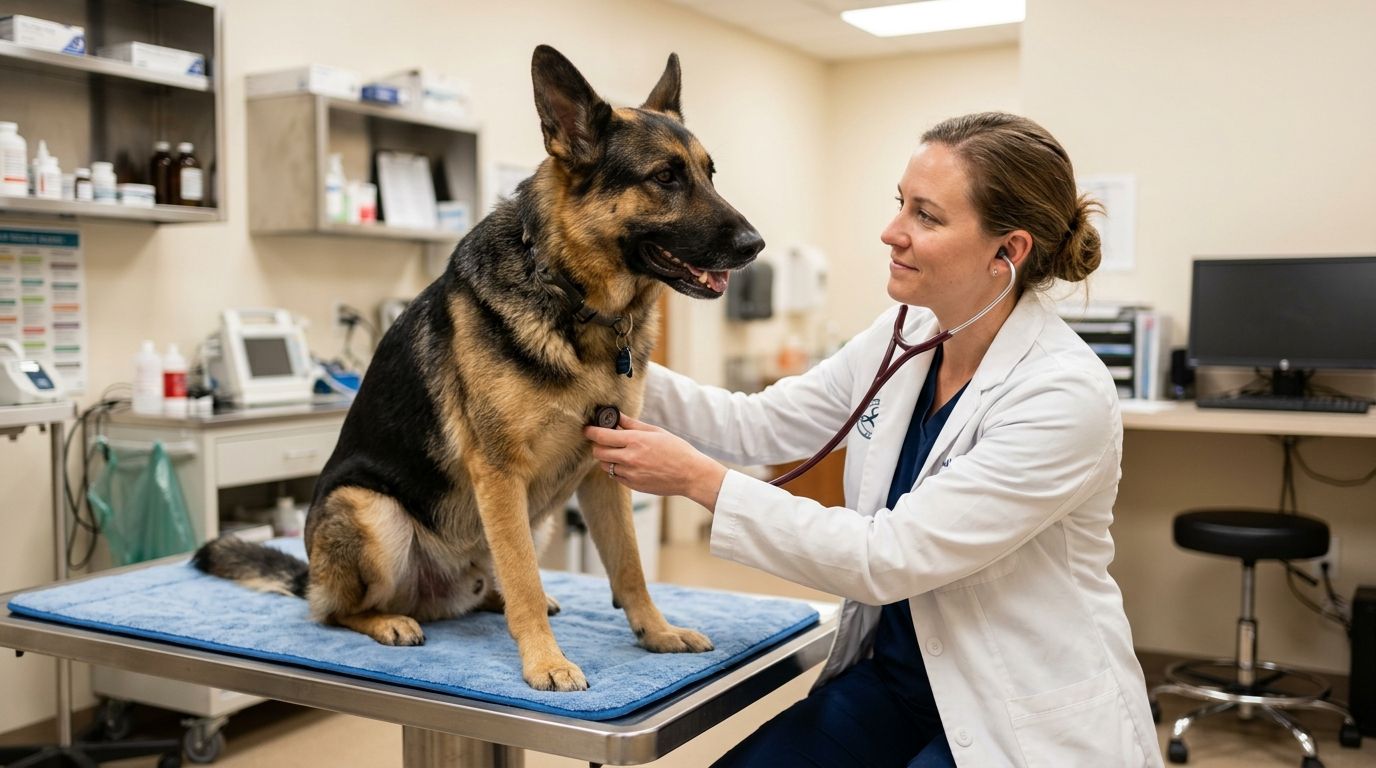
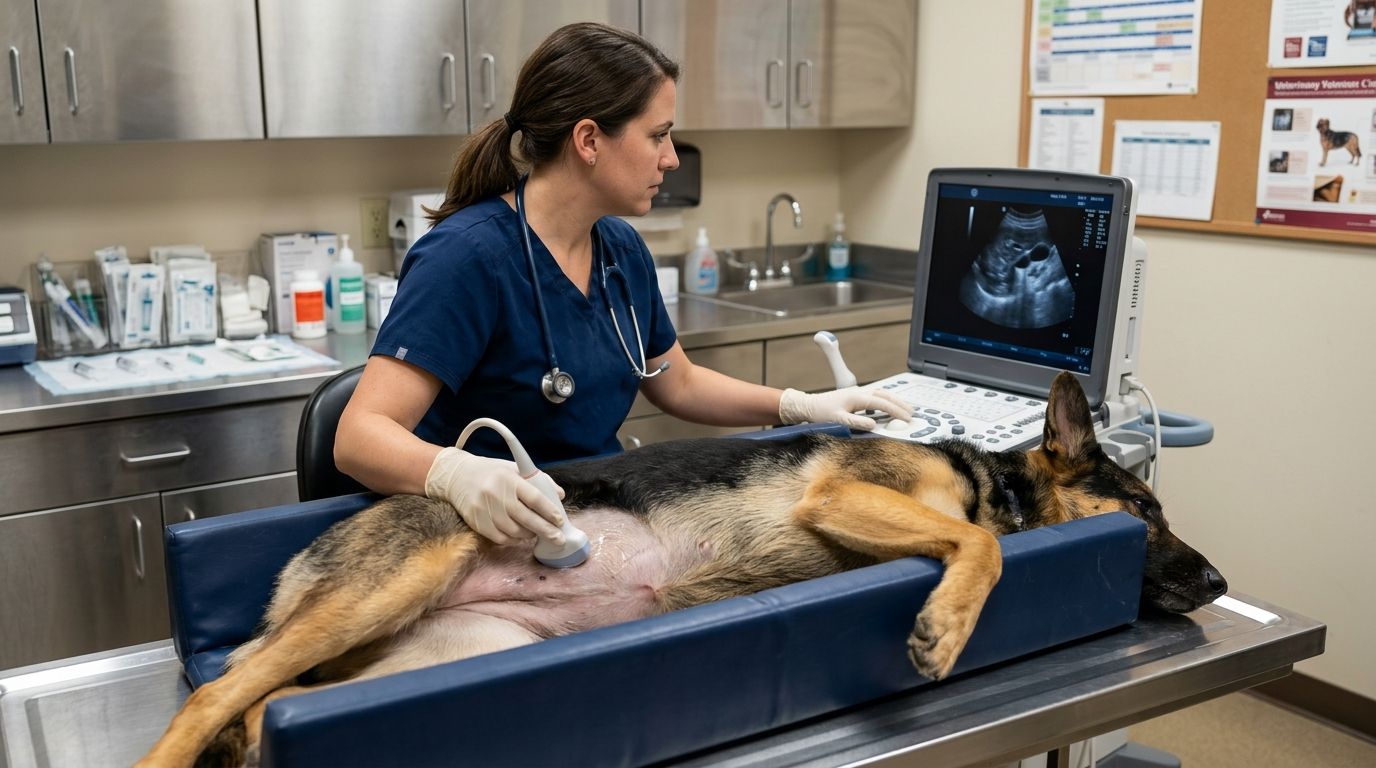
What you can do: After age 7, ask your vet about biannual screenings including abdominal ultrasounds. Early detection of splenic masses (before they rupture) dramatically improves outcomes. Watch for unexplained lethargy, sudden weight loss, or random episodes of weakness.
2. Degenerative Myelopathy (DM)
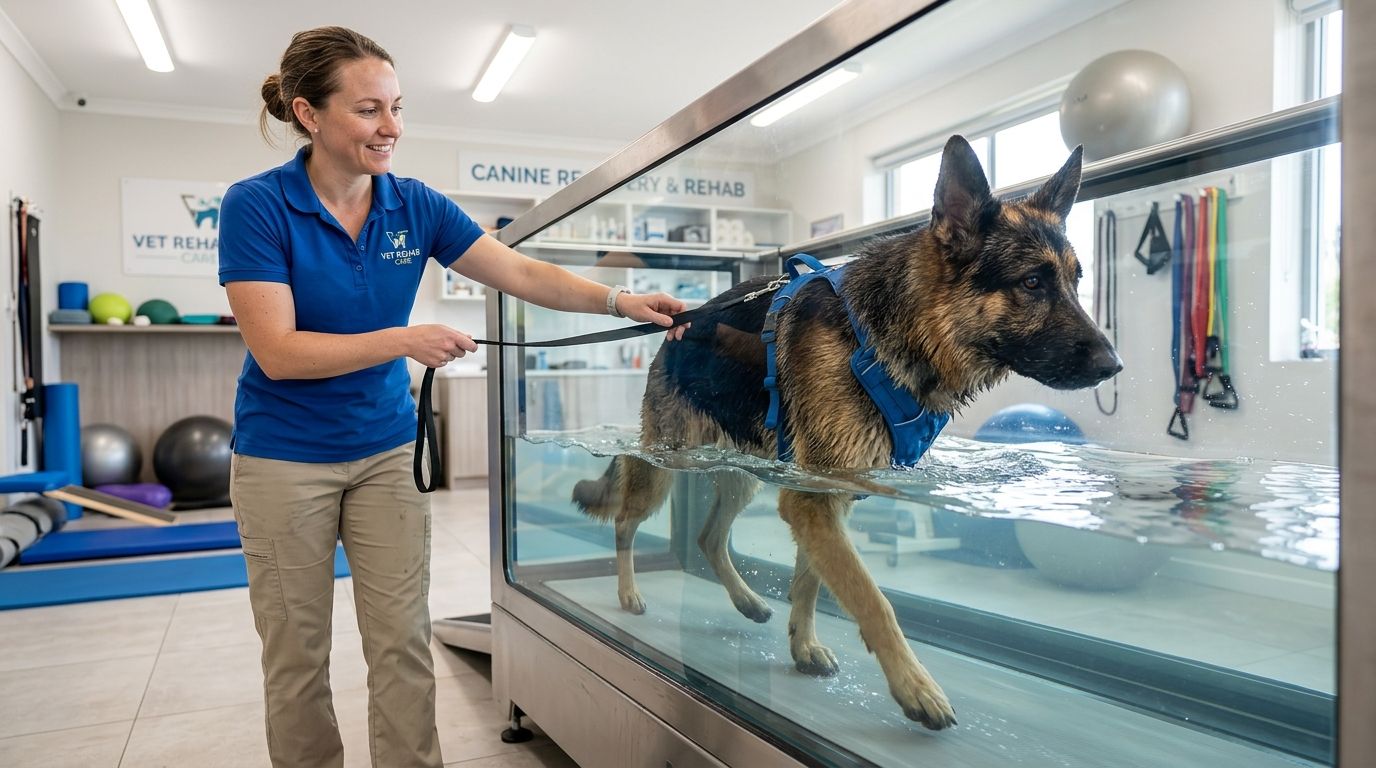
This progressive spinal cord disease is heartbreakingly common in German Shepherds. It works like ALS in humans, gradually destroying the nerves that control the back legs.
The progression:
- Stage 1: Slight wobbling or dragging of back toes
- Stage 2: Noticeable weakness, difficulty climbing stairs
- Stage 3: Loss of ability to stand or walk unaided
- Stage 4: Paralysis of hind legs, eventual loss of bladder control
There is no cure for DM. But early detection allows you to maintain quality of life for longer with physical therapy, supportive wheelchairs, and environmental modifications.
A DNA test can identify whether your GSD carries the SOD1 gene mutation responsible for DM. This test is available through companies like Embark and can be done with a simple cheek swab.
3. Hip and Elbow Dysplasia
While dysplasia itself is not usually the direct cause of death, it is the reason many German Shepherds are euthanized. Severe dysplasia causes chronic pain, loss of mobility, and dramatically reduced quality of life.
The Orthopedic Foundation for Animals reports that roughly 20% of German Shepherds have radiographic evidence of hip dysplasia. The real number is likely higher because many mild cases go undiagnosed.
Prevention starts with responsible breeding, but management falls to you:
- Maintain a healthy weight
- Use quality joint supplements starting around age 4 to 5
- Provide low-impact exercise like swimming instead of repetitive jumping
- Consider orthopedic bedding for joint support
4. Bloat (Gastric Dilatation-Volvulus)
Bloat is the most terrifying condition on this list because of how fast it kills. The stomach fills with gas, twists on its axis, and cuts off blood supply. Without emergency surgery within 1 to 2 hours, it is almost always fatal.
German Shepherds have one of the highest breed-specific risks for GDV due to their deep, narrow chest cavity. We have a complete guide on recognizing and responding to bloat.
Reduce the risk by:
- Feeding 2 to 3 smaller meals instead of one large meal
- Using slow feeder bowls
- Avoiding vigorous exercise within 30 minutes of eating
- Discussing prophylactic gastropexy (stomach tacking) surgery with your vet
5. Heart Disease
Dilated cardiomyopathy (DCM) causes the heart muscle to weaken and enlarge, eventually leading to heart failure. German Shepherds are one of the breeds predisposed to this condition.
Symptoms are subtle in early stages: occasional coughing, decreased stamina during exercise, and breathing that seems slightly heavier than normal. Annual cardiac screenings after age 5 can catch it early.
The FDA has also raised concerns about a potential link between grain-free diets and DCM in large breed dogs. While the research is still ongoing, it is worth discussing with your vet if you are feeding a grain-free diet.
6. Organ Failure
Kidney disease and liver failure become increasingly common in senior German Shepherds. The tricky part is that organs can lose up to 70% of their function before symptoms become obvious.
Annual bloodwork is non-negotiable after age 7. A simple blood panel measuring BUN, creatinine, and liver enzymes can catch organ decline years before clinical symptoms appear. Early intervention through diet changes and medication can significantly slow progression.
7. Spinal Issues
Beyond DM, German Shepherds are vulnerable to:
- Intervertebral Disc Disease (IVDD) - Disc herniation causing pain and paralysis
- Cauda Equina Syndrome - Compression of nerves at the base of the spine
- Lumbosacral Stenosis - Narrowing of the spinal canal
These conditions are strongly influenced by genetics but worsened by obesity and high-impact activities. Maintaining a lean body weight and avoiding excessive jumping protects the spine.
The Honest Timeline
Having owned this breed for years, here is the rough health trajectory most GSD owners should prepare for:
- Ages 0-3: Generally healthy, may show early signs of joint laxity
- Ages 4-6: Prime years, but start preventive joint supplementation and regular vet checks
- Ages 7-9: Senior transition. Increase vet visits to twice yearly. Watch for lumps, stiffness, and changes in energy
- Ages 10+: Managing decline. Focus shifts to comfort, quality of life, and honest conversations with your vet
Learn to recognize the signs of a dog declining so you are never caught completely off guard.
What You Can Do Right Now
- Keep them lean - Obesity accelerates literally every condition on this list
- Feed quality food - Invest in a proper diet for your GSD's life stage
- Annual bloodwork after age 5 - Non-negotiable for early detection
- Biannual vet visits after age 7 - Screens for cancer, organ function, and heart health
- DNA test for DM - Know your dog's genetic risk so you can plan
- Learn GDV signs - Minutes matter with bloat
- Exercise consistently - A fit dog handles aging better than a sedentary one