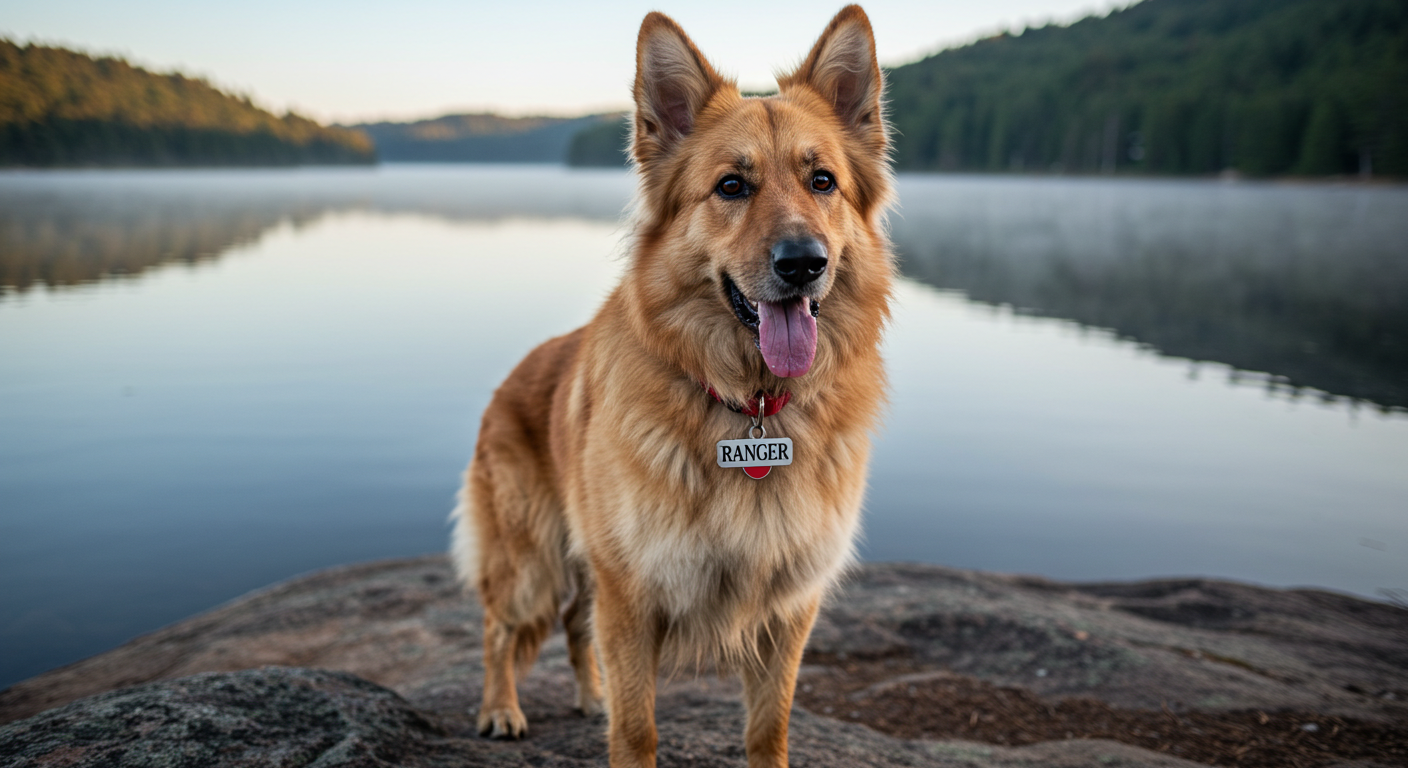
The first time I took my German Shepherd to a lake, I expected her to charge into the water like the fearless working dog she was. Instead, she stood at the edge, stared at the water suspiciously, and backed up when a small wave splashed her paws.
It took three separate lake visits before she would actually go in. And now? I cannot keep her out of the water. She would live in the lake if I let her.
Can German Shepherds Actually Swim?
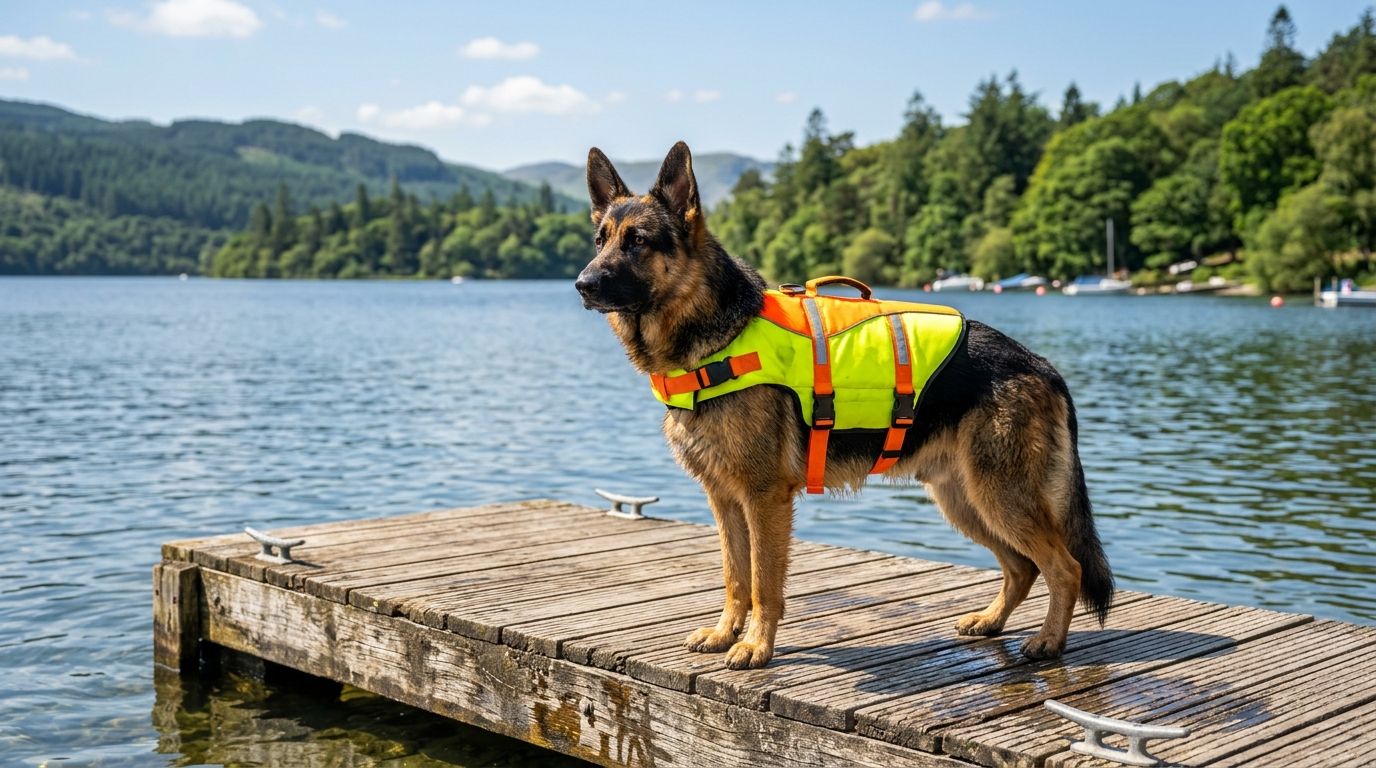
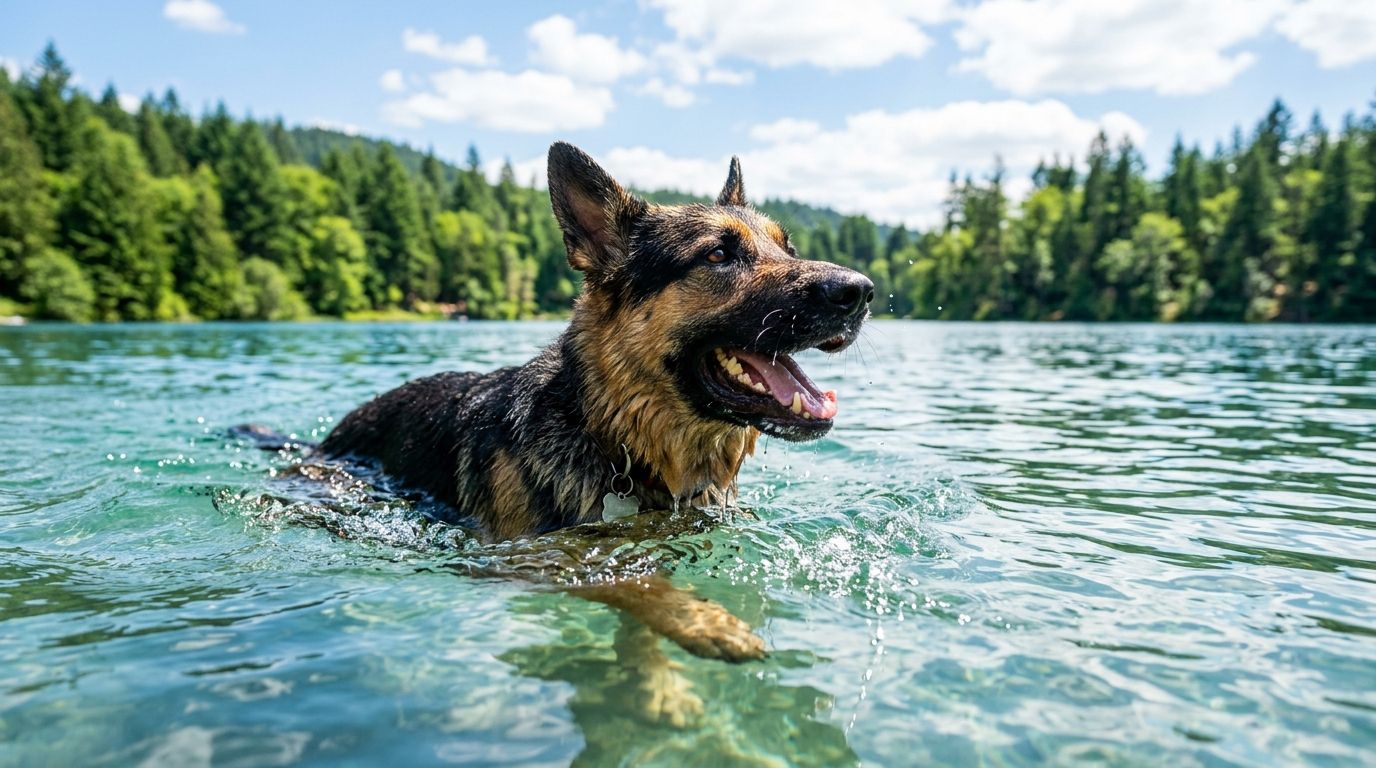
Yes, German Shepherds can swim. They are physically capable swimmers with strong legs, a deep chest, and athletic builds that make them competent in the water. The AKC breed profile lists them as a highly versatile breed, and swimming falls within their physical capabilities.
But here is the important distinction: being able to swim is not the same as liking to swim. German Shepherds were not bred for water work like Labrador Retrievers or Portuguese Water Dogs. They were bred for herding on dry land. Water is not in their job description.
That means your individual GSD might love water, tolerate it, or absolutely refuse to go near it. All three are completely normal.
Why Some German Shepherds Love Water and Others Hate It
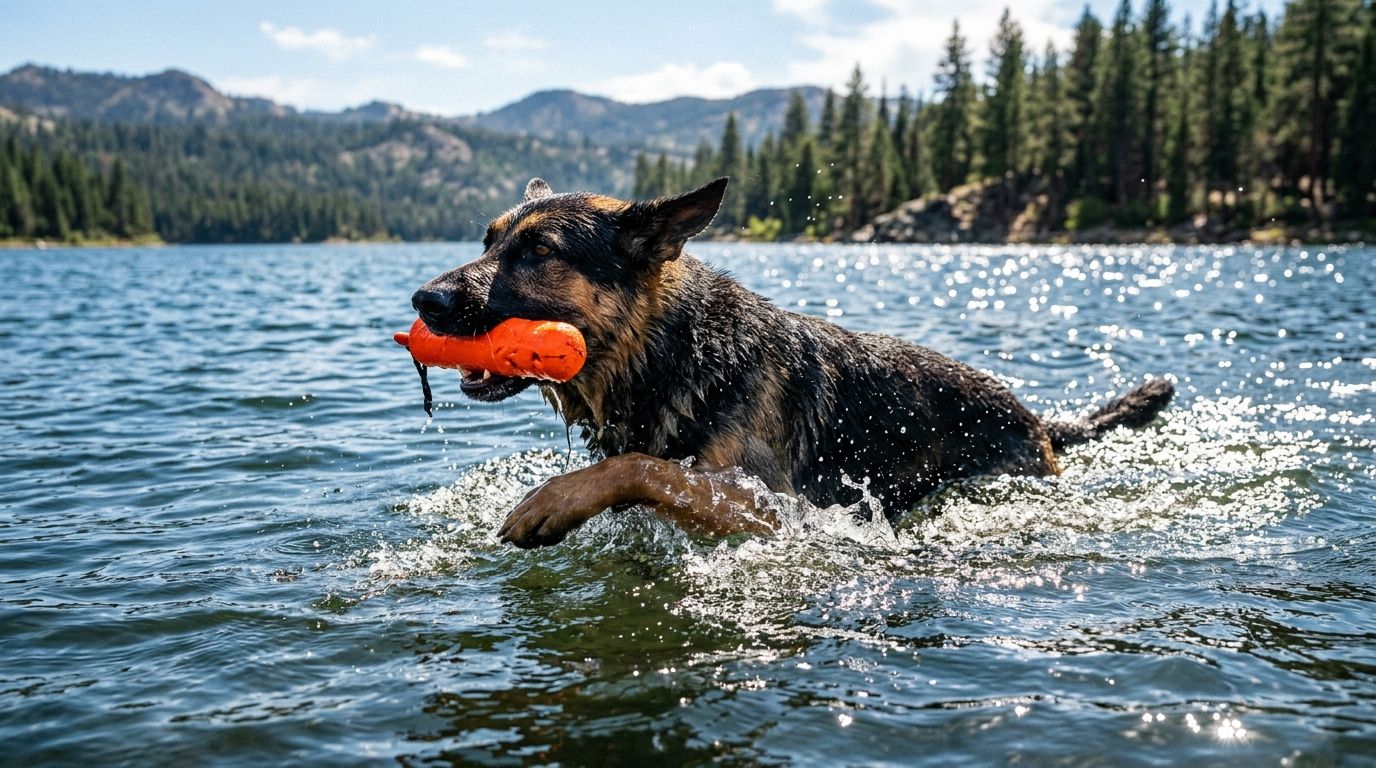
It comes down to a mix of personality, early exposure, and physical comfort:
| Factor | Water-Loving GSD | Water-Avoiding GSD |
|---|---|---|
| Early exposure | Introduced to water gently as a puppy | No water exposure before adulthood |
| Personality | Confident, adventurous | Cautious, prefers control |
| Coat type | Does not mind being wet | Hates the heavy feeling of wet undercoat |
| First experience | Positive, gradual introduction | Traumatic (forced, fell in, or got splashed) |
| Temperature | Enjoys cooling off in warm weather | Dislikes cold water on skin |
The double coat factor is significant. German Shepherds have a thick, dense undercoat that absorbs and holds water. When wet, their coat feels extremely heavy and takes a very long time to dry. Some GSDs find this so uncomfortable that they avoid water entirely.
How to Introduce Your German Shepherd to Water
Whether your GSD is a puppy or an adult, the approach should be exactly the same: slow, positive, and pressure-free.
Step 1: Start Shallow
Find a calm, shallow body of water. A lake shoreline with a gradual slope is perfect. Avoid pools (steep entry), rivers (currents), and oceans (waves and salt) for the first introduction.
Walk along the edge with your dog on a loose leash. Let them explore at their own pace. Do not pull, push, or lure them into deeper water.
Step 2: Make It Fun
Bring their favorite toy. Toss it just a few inches into the shallow water so they can grab it without going deeper than their paws. Slowly increase the distance over multiple sessions.
Bring treats. Reward every voluntary step into the water. If they put one paw in on their own, that is a victory worth celebrating.
Step 3: Go In With Them
German Shepherds are deeply bonded to their owners. If you walk into the water first, many GSDs will follow simply because they do not want to be separated from you. Wade in waist-deep and encourage them gently.
Step 4: Never Force It
This cannot be stressed enough. Throwing a German Shepherd into water, pushing them off a dock, or dragging them in on a leash will create a lifelong water phobia. One bad experience can undo months of positive associations.
Safety first: Even strong swimmers can panic. Always supervise your GSD near water, especially during their first few swimming experiences. Consider a dog life jacket for added security until you know their swimming ability.
Swimming Safety Tips for German Shepherds
Once your GSD is comfortable in the water, keep these safety guidelines in mind:
Pool Safety:
- Never leave your GSD unsupervised near an open pool
- Teach them where the stairs/ramp are so they can exit independently
- Rinse chlorine off their coat after every swim to prevent skin irritation
- Keep pool chemical levels balanced. Dogs drink pool water, and high chlorine levels cause stomach upset
Lake and River Safety:
- Avoid stagnant water. Blue-green algae (cyanobacteria) is toxic and potentially fatal to dogs
- Check for strong currents before letting them swim in rivers
- Watch for rocky or sharp-edged shorelines that can cut paw pads
- Rinse them after lake swimming to remove bacteria and parasites
Ocean Safety:
- Salt water causes dehydration and vomiting if swallowed in large amounts
- Waves can overwhelm even confident swimmers
- Rinse salt thoroughly from their coat and ears afterward
- Provide fresh drinking water to prevent them from drinking seawater
The Health Benefits of Swimming for German Shepherds
Swimming is hands down the best exercise for GSDs, especially those with joint concerns:
- Zero impact on joints - Water buoyancy removes weight from hips and elbows, making it ideal for dogs with joint issues
- Full-body workout - Swimming engages every major muscle group simultaneously
- Cardiovascular conditioning - Builds stamina without the pounding of running on pavement
- Mental stimulation - New environments, scents, and challenges keep them mentally engaged
- Cooling in summer - Prevents overheating during hot weather exercise
For German Shepherds with hip dysplasia or arthritis, veterinary hydrotherapy (guided swimming in a controlled pool) is one of the most effective rehabilitation tools available.
After the Swim: Drying Your German Shepherd
This is the part most owners underestimate. A German Shepherd's double coat holds an enormous amount of water and takes hours to air dry. Leaving them damp can cause:
- Hot spots and skin infections
- Bacterial and fungal growth in the undercoat
- That infamous "wet dog" smell that lingers for days
Towel dry as much as possible, then use a high-velocity dryer or let them dry in a warm, well-ventilated area. Pay special attention to drying inside their ears to prevent ear infections. Proper post-swim care is part of good grooming practice for the breed.