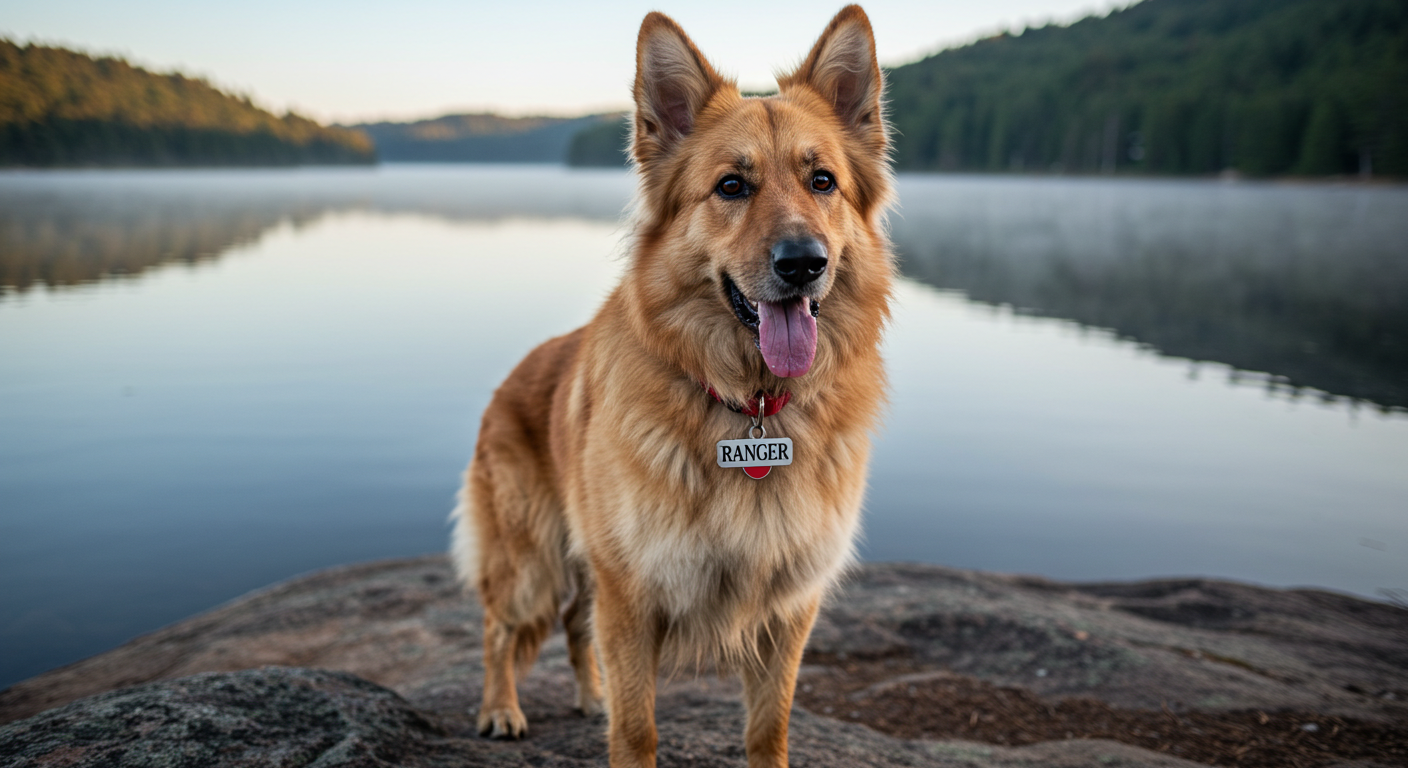
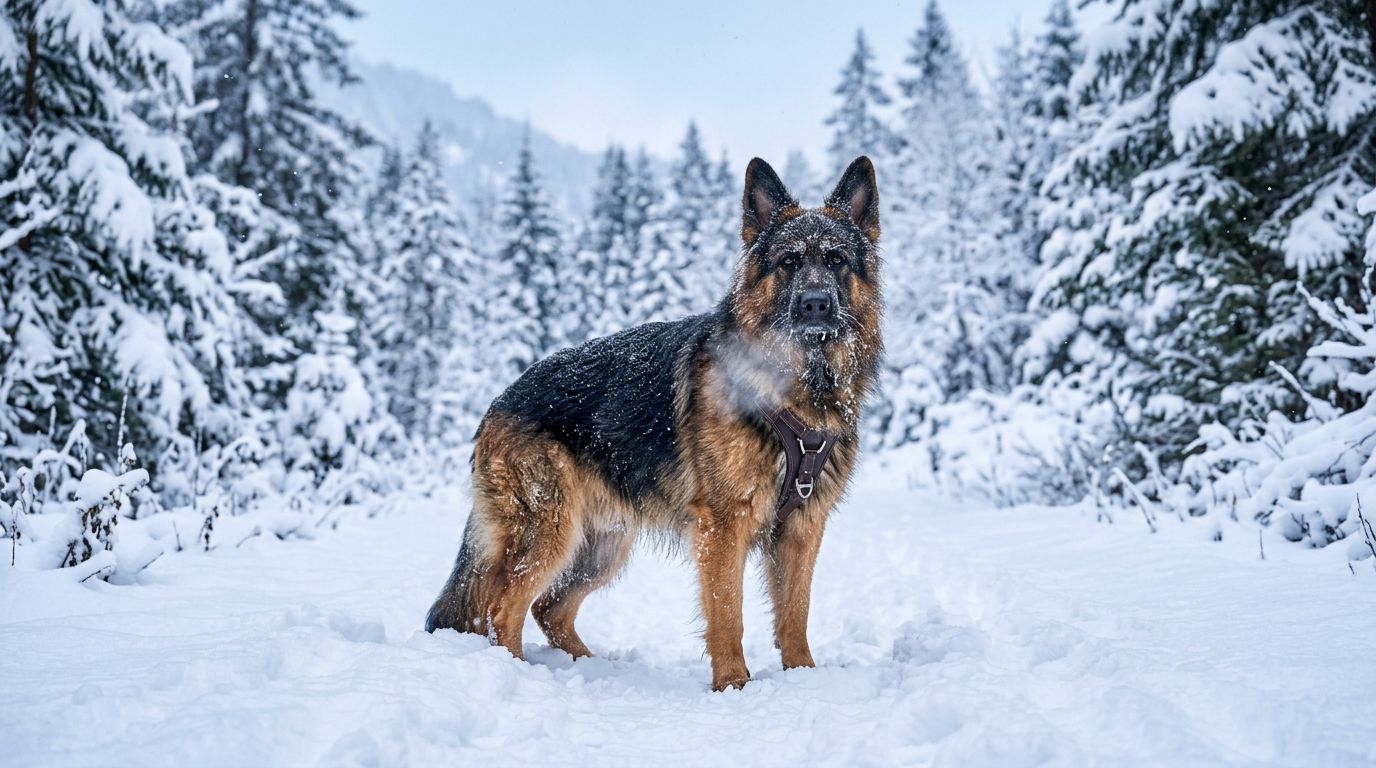
I live in a place where winter temperatures regularly drop below freezing. Every year, neighbors ask me the same question when they see my German Shepherd bounding through snow drifts: "Doesn't she get cold?"
The answer is more nuanced than most people think. German Shepherds handle cold better than most breeds, but they are not invincible. And the difference between "they can handle it" and "they are in danger" is a narrower gap than you might expect.
The GSD's Built-In Winter Coat
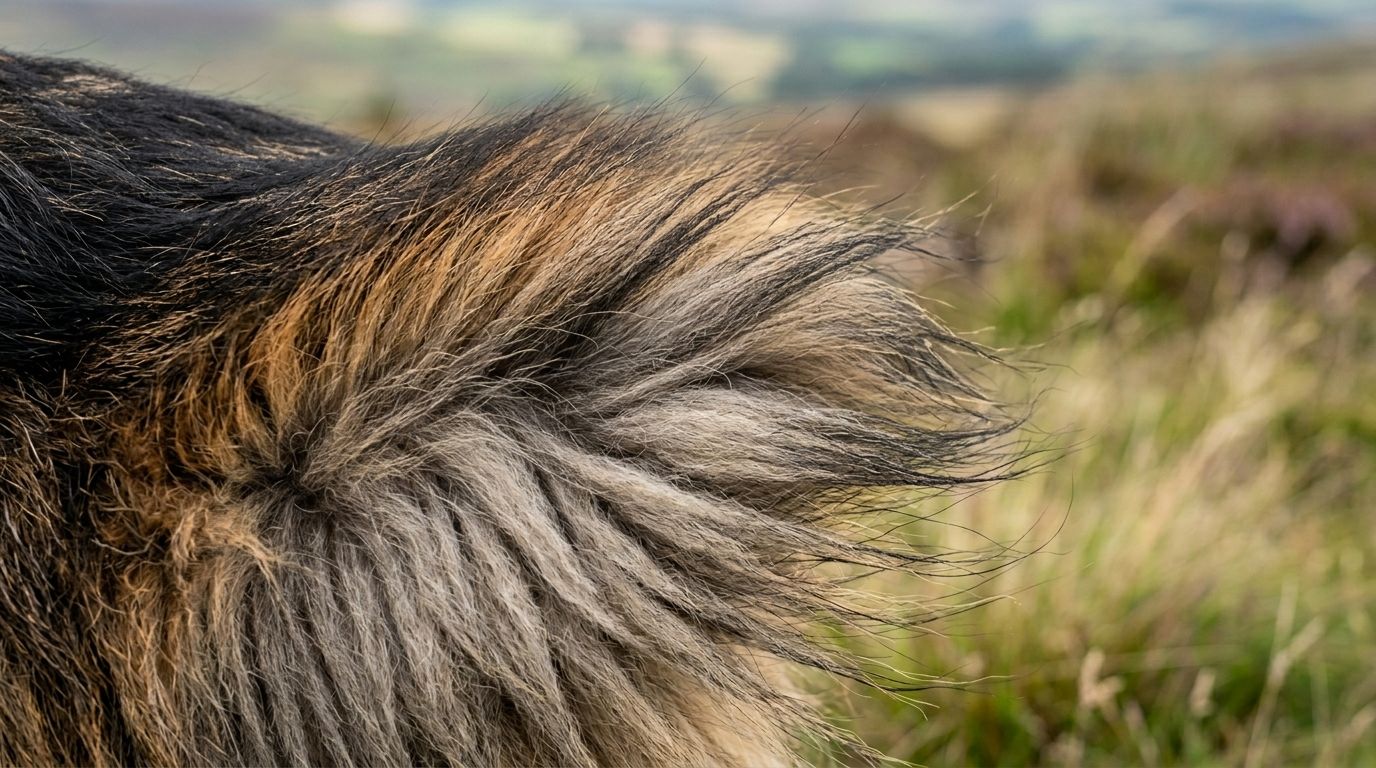
German Shepherds have a double coat consisting of two distinct layers:
- Outer coat (guard hairs) - Coarse, water-resistant hairs that repel snow, rain, and wind
- Undercoat - Dense, soft, insulating layer that traps warm air against the skin
This double coat system works remarkably well. It is a built-in winter jacket that adjusts throughout the year. According to the AKC breed profile, GSDs were developed in Germany's variable climate, which is why they blow their undercoat in spring to prepare for summer and grow a thicker undercoat in fall to prepare for winter.
Understanding the different GSD coat types helps because not all German Shepherds have the same level of cold protection. Long-haired GSDs have a slightly thicker coat, while some working lines have denser undercoats than show lines.
How Cold Is Too Cold for a German Shepherd?
Here is the temperature guide I follow based on years of cold-weather experience with GSDs:
| Temperature | Risk Level | Activity Guidance |
|---|---|---|
| Above 20F (-7C) | Low risk | Normal outdoor activity, no concerns |
| 10F to 20F (-12C to -7C) | Moderate risk | Limit outdoor time to 30-45 minutes, monitor closely |
| 0F to 10F (-18C to -12C) | High risk | Short bathroom breaks only, 15-20 minutes max |
| Below 0F (-18C) | Dangerous | Minimal outdoor exposure, risk of frostbite and hypothermia |
These are general guidelines for healthy adult German Shepherds with full double coats. Adjust more conservatively for:
- Puppies - They have thinner coats and less body mass for heat retention
- Senior dogs - Older dogs lose the ability to regulate temperature efficiently
- Sick or underweight dogs - Illness reduces cold tolerance significantly
- Short-haired or single-coated GSDs - Less natural insulation
Critical warning: Wind chill changes everything. A temperature of 15F with a wind chill of -5F is functionally the same as -5F for your dog's exposed skin. Always check wind chill, not just air temperature.
Signs Your German Shepherd Is Too Cold
Your dog will tell you when they are getting cold. Watch for these warning signs:
Early signs (time to head inside):
- Shivering or trembling
- Tucking their tail between their legs
- Lifting paws off the ground alternately
- Reluctance to keep walking or wanting to turn back
- Whining or vocalizing more than usual
Serious signs (immediate action needed):
- Violent shivering that will not stop
- Lethargy or slowed movement
- Ice forming on fur, whiskers, or paw pads
- Pale or blue-tinged gums
- Stiffness in legs or difficulty walking
If you see any serious signs, get your dog inside immediately, warm them gradually with blankets, and contact your vet.
Frostbite in German Shepherds
Frostbite is a real risk, even for double-coated breeds. The areas most vulnerable on a GSD are:
- Ear tips - Thin skin with minimal fur coverage
- Paw pads - Direct contact with frozen ground
- Tail tip - Exposed and far from the body's core warmth
- Nose - Wet skin freezes faster
Frostbitten skin appears pale, gray, or bluish and feels cold and hard to the touch. As it thaws, the area becomes red, swollen, and painful. Do not rub frostbitten areas. Warm them slowly with lukewarm (not hot) water and see your vet.
8 Winter Care Tips for German Shepherds
1. Protect Their Paws
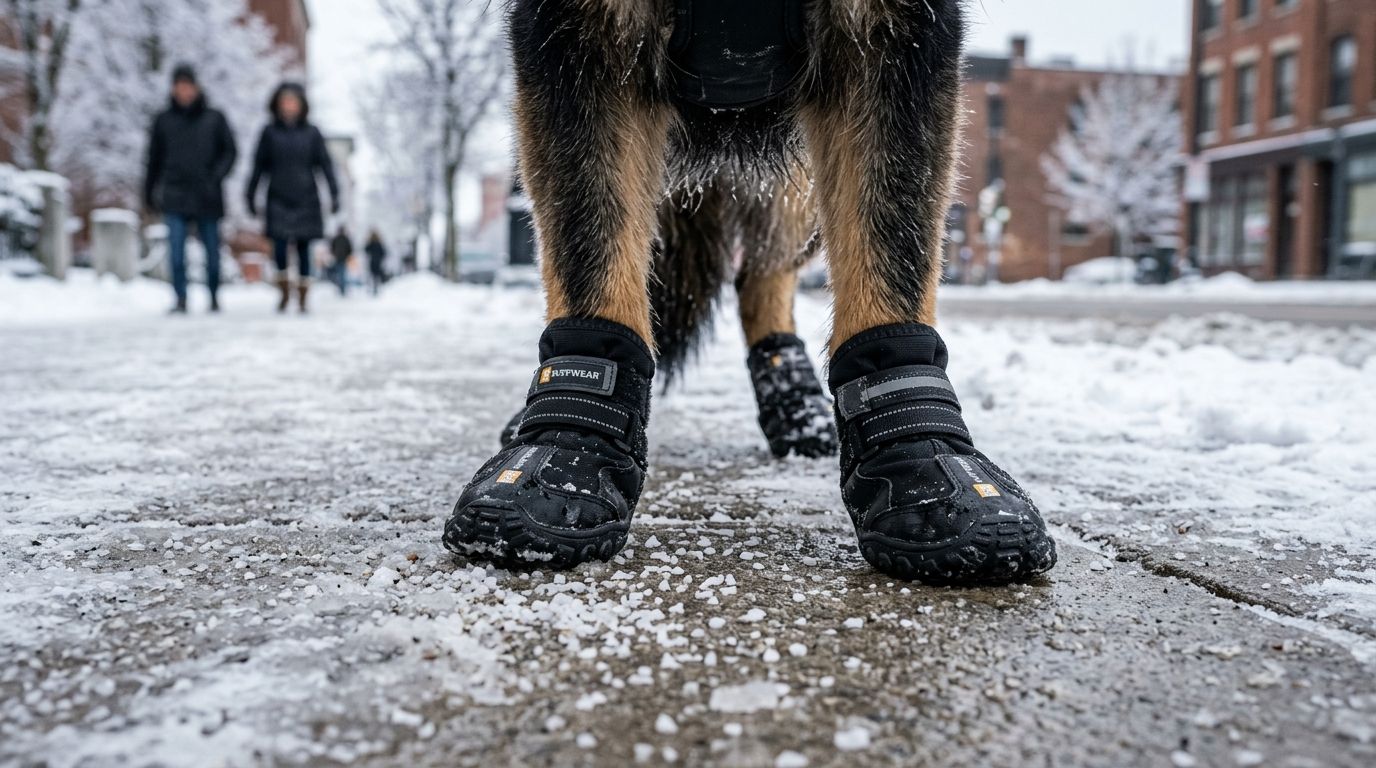
Road salt and chemical deicers are the biggest winter hazard for dog paws. They cause chemical burns, cracking, and extreme discomfort. After every winter walk:
- Rinse or wipe their paws thoroughly
- Check between the toes for ice balls and salt crystals
- Apply paw balm to prevent cracking
- Consider dog booties for extended outdoor time in harsh conditions
2. Never Shave Their Coat in Winter
This might sound obvious, but I have seen well-meaning owners shave their shedding GSD in late fall to "reduce mess." Shaving a German Shepherd removes their primary insulation and can permanently damage the undercoat's ability to regrow properly.
3. Adjust Their Diet
Dogs burn more calories in cold weather to maintain body temperature. You may need to increase their food portions by 10 to 15% during the coldest months, especially for dogs that spend significant time outdoors.
4. Keep Them Hydrated
Dehydration is surprisingly common in winter. Cold, dry air pulls moisture from their body, and dogs tend to drink less when water is cold. Ensure fresh, room-temperature water is always available. Check outdoor water bowls frequently because they freeze fast.
5. Watch for Antifreeze
Antifreeze (ethylene glycol) tastes sweet to dogs but is lethally toxic. Even a few licks can cause kidney failure. Clean up any spills immediately, and keep your GSD away from driveways, garages, and puddles in parking lots during winter.
6. Provide Proper Shelter
If your German Shepherd spends time outdoors, they need an insulated, wind-proof shelter elevated off the frozen ground. The shelter should be just large enough for them to stand, turn around, and lie down. Too large and it will not retain body heat.
However, German Shepherds are companion dogs. They should primarily live inside with their family, especially during extreme cold.
7. Dry Them Thoroughly
Snow and ice melt into the dense undercoat and can stay damp for hours. After outdoor time, towel dry your GSD thoroughly. Pay special attention to the belly, chest, and between the paw pads. A damp undercoat drops their body temperature and can lead to skin issues.
8. Maintain Exercise
Cold weather is not an excuse to skip exercise. German Shepherds still need their daily activity even in winter. Shorten the duration on extremely cold days, but keep them moving. Indoor alternatives include:
- Hallway fetch
- Staircase exercises
- Indoor nose work games
- Puzzle toys and frozen KONGs
Can German Shepherds Live Outside in Winter?
Technically, a healthy adult GSD with a full double coat can tolerate cold temperatures better than most breeds. But should they live outside? No.
German Shepherds are deeply social animals that form intense bonds with their families. Leaving them outside in winter is not just a cold-weather risk; it is an emotional one. Isolated dogs develop behavioral problems including anxiety, excessive barking, and destructive tendencies.